


As the weather cools and routines shift, many people notice subtle changes in their appetite, energy levels, and food preferences. You may feel hungrier than usual, crave warmer foods, or struggle to maintain healthy eating habits after the structure of summer fades.
This is where thoughtful fall meal plans come in — not as rigid diets, but as flexible frameworks that help you eat well, stay energized, and support your health as the season changes.
From my experience working with clients across different lifestyles, fall is often the season where people either regain balance or slowly drift into habits that feel heavy and hard to sustain. The goal of a good fall meal plan isn’t restriction. It’s alignment — with the season, your body, and your daily life.
This guide will walk you through how fall meal plans work, why they matter, and how to build one safely and realistically.
Why Eating Patterns Often Change in Fall
Seasonal changes affect more than just the weather. They influence behavior, routine, and physiology.
Cooler Temperatures and Appetite
As temperatures drop, your body may naturally seek slightly more energy-dense foods. This is not a flaw or lack of discipline — it’s a normal biological response. Warm meals also tend to feel more satisfying and comforting, which can influence portion sizes and food choices.
Shorter Days and Routine Shifts
With less daylight, people often move less, spend more time indoors, and experience subtle changes in sleep patterns. These factors can affect hunger cues, energy levels, and meal timing.
Emotional and Psychological Factors
Fall often brings a sense of transition — back-to-school schedules, work pressure, or upcoming holidays. Food can become a coping mechanism if meals aren’t planned thoughtfully.
A well-designed fall meal plan accounts for all of this, rather than ignoring it.
What Makes a Good Fall Meal Plan
A helpful meal plan is not about perfection. It’s about consistency, nourishment, and flexibility.
Emphasis on Warm, Balanced Meals
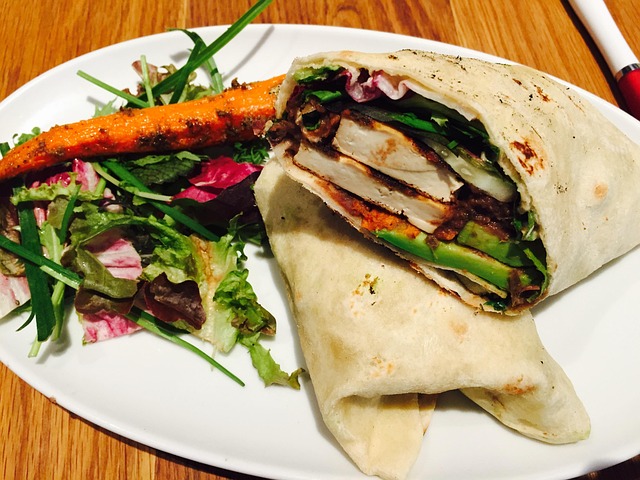
Fall meals often feel best when they’re warm and grounding. This doesn’t mean heavy or indulgent. It means meals that digest well and keep you full for longer.
Balanced meals generally include:
-
A protein source to support muscle and satiety
-
Complex carbohydrates for steady energy
-
Healthy fats for absorption and satisfaction
-
Fiber-rich vegetables or fruits for digestion
When these elements are present, people naturally snack less and feel more stable throughout the day.
Seasonal Variety Without Overcomplication
One mistake I see often is trying to overhaul everything at once. Fall meal plans work best when they adapt your existing habits instead of replacing them.
For example:
-
Switching cold lunches to warm grain bowls or soups
-
Using seasonal vegetables more often
-
Adjusting portion sizes slightly as activity levels change
Simple changes tend to last longer.
Building a Practical Fall Meal Plan Step by Step
Rather than following a strict template, it’s more effective to build your plan around your real life.
Start With Meal Timing, Not Recipes
Before choosing foods, consider:
-
When do you usually feel most hungry?
-
Do you skip meals unintentionally?
-
Are evenings when overeating happens?
Structuring consistent meal times often improves eating habits more than changing food choices alone.
Anchor Each Meal With Protein
Protein helps regulate appetite and supports muscle health, especially as activity patterns shift in colder months.
In real-life terms, this might look like:
-
Eggs or yogurt at breakfast
-
Beans, lentils, or poultry at lunch
-
Fish, meat, or plant-based proteins at dinner
You don’t need exact numbers. You need consistency.
Choose Carbohydrates That Support Energy
Carbohydrates are often misunderstood, but they’re essential for daily function.
Fall-friendly options include:
-
Whole grains
-
Root vegetables
-
Legumes
-
Fruits eaten with meals
These provide energy without sharp spikes when paired with protein and fats.
Include Fats for Satisfaction
Healthy fats slow digestion and make meals more enjoyable. This matters psychologically as much as physiologically.
A meal that feels satisfying reduces the urge to snack mindlessly later.
Common Mistakes People Make With Fall Meal Plans
Understanding what doesn’t work is just as important as knowing what does.
Overcorrecting After Summer
Some people respond to fall by becoming overly restrictive. This often leads to cycles of control and loss of control.
In practice, overly strict plans tend to fail because they don’t respect hunger cues or lifestyle demands.
Relying Too Heavily on Comfort Foods
Warm, comforting foods are not the problem. The issue arises when meals lack balance.
For example, meals that are high in refined carbohydrates but low in protein often leave people hungry soon after.
Ignoring Hydration
Cooler weather reduces thirst signals, but hydration still matters. Dehydration can feel like fatigue or hunger.
Warm beverages, soups, and consistent water intake help support digestion and energy.
How Fall Meal Plans Support Long-Term Health
Fall meal plans aren’t about short-term goals. They’re about setting the tone for the rest of the year.
Better Energy Regulation
Balanced meals stabilize blood sugar levels, which supports focus, mood, and physical performance.
Improved Relationship With Food
When meals feel intentional rather than reactive, people often feel less guilt and anxiety around eating.
Easier Transition Into Winter
Fall habits tend to carry into winter. Establishing structure now reduces stress later, especially during holiday seasons.
Who Fall Meal Plans Are Suitable For — And Who Should Be Cautious
Suitable For:
-
Adults looking for structure without dieting
-
People who feel more hungry or fatigued in colder months
-
Individuals wanting sustainable, seasonal eating habits
Should Be Cautious:
-
Those with a history of disordered eating
-
Anyone with medical conditions requiring personalized nutrition
-
People who interpret meal plans as strict rules rather than guides
If food planning triggers stress or anxiety, a more flexible, intuitive approach may be more appropriate.
Practical Tips to Make Fall Meal Planning Easier
-
Repeat meals you enjoy instead of constantly seeking variety
-
Plan 2–3 core meals per week and rotate them
-
Keep simple ingredients on hand for low-energy days
-
Allow room for social meals without “making up for them” later
Consistency matters more than precision.

FAQs:
1. Do fall meal plans need to be higher in calories?
Not necessarily. Some people naturally need slightly more energy due to temperature and routine changes, but needs vary. Listening to hunger cues matters more than numbers.
2. Are warm meals better than cold ones in fall?
Warm meals often feel more satisfying and digestible in cooler weather, but preference matters. There’s no rule against cold foods.
3. Can I still enjoy comfort foods?
Yes. The key is balance. Comfort foods can fit into a healthy meal plan when paired with protein and fiber.
4. How often should I eat during fall?
Most people do well with regular meals spaced throughout the day. Skipping meals often leads to overeating later.
5. Do I need to change my eating habits every season?
Small adjustments help, but drastic changes are rarely necessary. Seasonal eating should feel supportive, not disruptive.
A Responsible Perspective on Seasonal Eating
From a coaching standpoint, fall is one of the best times to build sustainable habits. There’s less pressure to look a certain way, and more opportunity to focus on how food supports daily life.
The most effective fall meal plans aren’t strict schedules or trendy frameworks. They’re adaptable systems that respect hunger, routine, and personal preferences.
When eating feels steady and intentional, health becomes a byproduct — not a constant struggle.
Final Thoughts
Fall meal plans work best when they prioritize nourishment, structure, and realism. They should help you feel warmer, more energized, and more grounded — not restricted or overwhelmed.
If your meals support your daily rhythm, your body often responds with better energy, improved focus, and a healthier relationship with food over time.