



Leg workouts using body weight are essential for overall fitness, supporting daily activities like walking, running, and jumping.
Many people think they need heavy weights to build leg strength, but bodyweight exercises can be just as effective.
Whether you’re a beginner or an experienced athlete, these exercises improve endurance, flexibility, and muscle definition without requiring equipment.
In this guide, you’ll learn about the best leg workouts using body weight, their benefits, proper form, and how to structure an effective lower-body workout.
Let’s get started!
Benefits of Leg Workouts Using Body Weight
Bodyweight leg exercises offer numerous advantages beyond just building strength.
They enhance mobility, improve endurance, and provide a versatile way to train without needing access to a gym.
Whether you’re a beginner or an advanced athlete, these exercises can help you achieve your fitness goals effectively.
1. Train Anytime, Anywhere
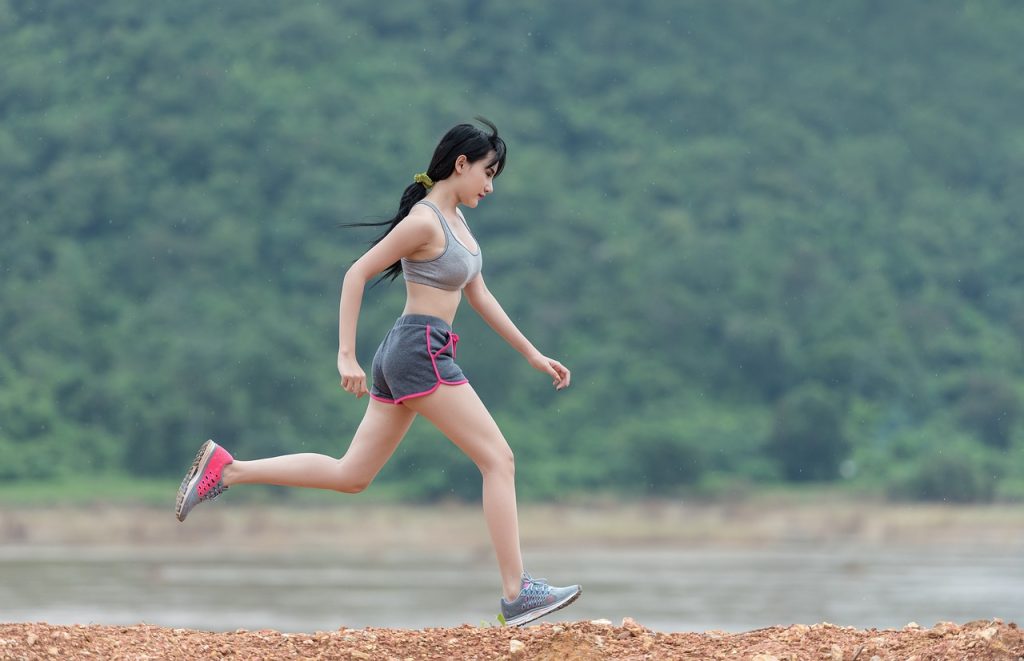
One of the biggest advantages of bodyweight leg exercises is their convenience.
Unlike traditional weightlifting, which requires access to a gym or specialized equipment, bodyweight training can be done anywhere.
Whether you’re at home, in a park, or traveling, you can still get an effective workout.
This makes it easier to stay consistent with your fitness routine, even on busy days.
Additionally, since you don’t rely on machines or heavy weights, you can quickly switch between exercises without setup time.
This allows for seamless, efficient workouts that maximize calorie burn and muscle engagement.
2. Improve Functional Strength
Functional strength refers to the ability to perform everyday activities with ease. Leg workouts using body weight closely mimic real-life movements like squatting, lunging, stepping, and jumping.
By strengthening the muscles used in these movements, you improve your balance, agility, and coordination.
This translates to better performance in daily activities such as walking up stairs, bending down to pick up objects, or even playing sports.
Stronger legs also reduce fatigue, allowing you to move more efficiently throughout the day.
3. Reduce the Risk of Injury
Many strength-training exercises that involve weights can place excess stress on the joints and tendons. Bodyweight exercises, however, provide a lower-impact way to build strength without unnecessary strain.
Since you control your own body weight, you’re less likely to overload your joints or develop muscle imbalances.
Additionally, bodyweight movements encourage natural biomechanics, helping to reinforce proper movement patterns.
This reduces the risk of knee, hip, and lower back injuries, making these exercises ideal for individuals recovering from injuries or those looking for a safer alternative to weightlifting.
4. Build Endurance and Flexibility
Unlike heavy weightlifting, which focuses primarily on strength and power, bodyweight exercises emphasize endurance and flexibility.
By increasing time under tension—holding positions longer or performing higher repetitions—you build muscular endurance. This is essential for activities that require sustained effort, such as running, hiking, or cycling.
Additionally, many bodyweight leg exercises improve joint mobility and flexibility. Movements like lunges and squats increase the range of motion in your hips, knees, and ankles.
Improved flexibility helps prevent injuries and enhances overall movement efficiency.
5. Suitable for All Fitness Levels
Whether you’re a beginner or an experienced athlete, bodyweight exercises can be tailored to your fitness level.
Beginners can start with foundational movements like bodyweight squats and lunges, focusing on proper form and controlled movements.
For those looking for a challenge, variations such as jump squats, Bulgarian split squats, and single-leg exercises can increase intensity.
You can also modify movements by changing tempo, increasing repetitions, or incorporating explosive movements to build power.
The versatility of bodyweight training allows for endless progression, ensuring that your workouts remain effective and engaging over time.
How to Perform Bodyweight Leg Workouts Correctly
Perfecting your bodyweight leg workouts is crucial for maximizing results and preventing injuries.
By focusing on proper form, avoiding common mistakes, and applying effective training techniques, you can ensure a safe and effective lower-body workout.
1. Focus on Proper Form
Maintaining proper form is essential for engaging the right muscles and preventing unnecessary strain on your joints.
- Keep your spine neutral by engaging your core and avoiding excessive arching or rounding of the lower back.
- Align your knees with your toes to prevent inward or outward movement, which can cause strain on the knee joints.
- Distribute your weight evenly by pressing through your entire foot rather than just your toes or heels.
- Keep your chest up and shoulders relaxed to maintain an upright posture throughout each movement.
- Control your movements by lowering and rising at a steady pace, ensuring each rep is performed with precision.
2. Common Mistakes to Avoid
Even small errors in form can reduce workout effectiveness and increase the risk of injury.
- Avoid rounding your back during squats, as this can place unnecessary stress on the lower spine.
- Ensure your knees do not cave inward during lunges or squats, as this can lead to knee instability and discomfort.
- Don’t rush through repetitions—performing exercises too quickly can lead to improper muscle engagement and a higher risk of injury.
- Avoid locking your knees at the top of movements like squats and lunges, as this can put excessive stress on your joints.
- Pay attention to depth—ensure you’re going low enough to fully activate your leg muscles without compromising form.
3. Maximize Your Results
To get the most out of your bodyweight leg workouts, use advanced techniques that enhance muscle engagement and endurance.
- Perform full-range movements by ensuring you complete each exercise with a full range of motion for better flexibility and strength gains.
- Incorporate explosive exercises such as jump squats and jump lunges to develop power and cardiovascular endurance.
- Use slow, controlled reps to maximize time under tension, forcing your muscles to work harder for better strength and endurance.
- Increase workout intensity by reducing rest time between sets, adding isometric holds, or increasing rep counts.
- Engage your core throughout every movement to stabilize your body and improve overall balance and coordination.
By following these guidelines, you can make the most of your bodyweight leg workouts while minimizing the risk of injury and enhancing overall performance
11 Best Leg Workouts Using Body Weight
1. Bodyweight Squats
 Bodyweight squats are a foundational lower-body exercise that strengthens the quads, hamstrings, and glutes while improving mobility and endurance.
Squats engage multiple muscle groups and enhance functional strength, making them an essential exercise for beginners and advanced athletes alike.
They help improve posture, increase lower-body power, and enhance overall stability, making daily movements such as walking, running, and jumping more efficient.
How to Perform:
- Stand with your feet shoulder-width apart, toes slightly pointing outward.
- Engage your core and maintain a straight back.
- Lower your body by bending your knees and pushing your hips back.
- Keep your chest up and lower yourself until your thighs are parallel to the floor.
- Push through your heels to return to the starting position.
Common Mistakes to Avoid:
- Leaning too far forward, which can strain your lower back.
- Allowing your knees to extend beyond your toes, increasing knee stress.
- Rushing through reps without full range of motion.
2. Jump Squats
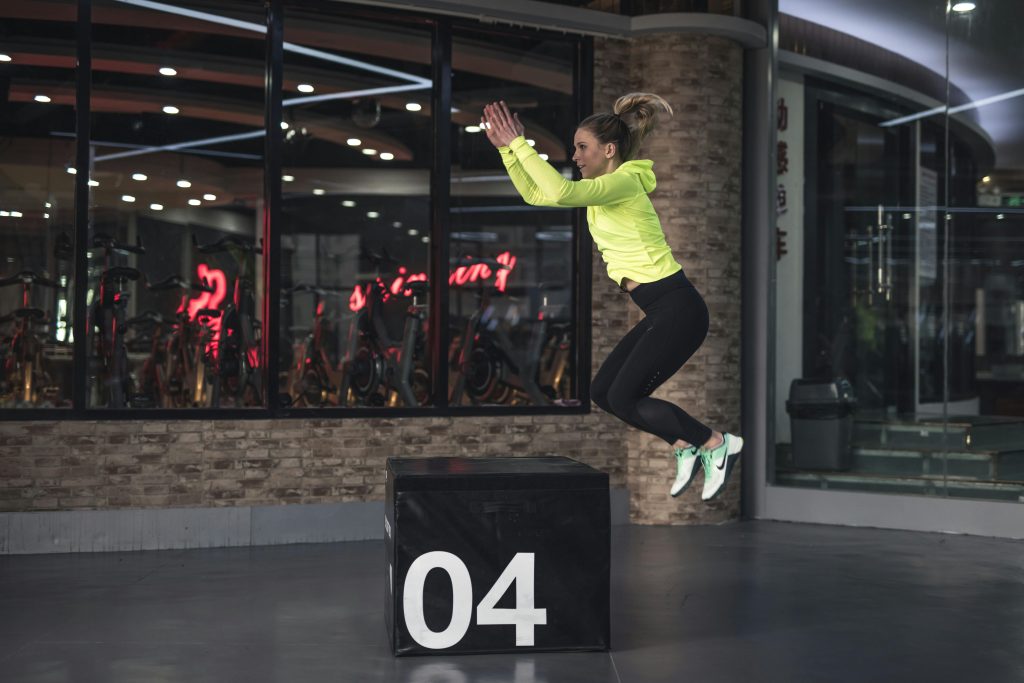 Jump squats are a dynamic variation of traditional squats that build explosive power, improve coordination, and enhance cardiovascular endurance.
This plyometric movement strengthens the quadriceps, glutes, and calves while increasing agility and speed, making it ideal for athletes and fitness enthusiasts.
How to Perform:
- Begin in a standard squat position with feet hip-width apart.
- Lower yourself into a squat, keeping your chest up.
- Explode upward, jumping as high as possible while engaging your core.
- Land softly on the balls of your feet, immediately lowering into the next squat.
Best For:
- Improving overall athletic performance.
- Building leg power and strength.
- Enhancing speed and endurance.
3. Bulgarian Split Squats (Rear-Elevated Split Squat)
The Bulgarian split squat is a unilateral exercise that isolates one leg at a time, helping to correct muscle imbalances and improve overall leg strength.
This movement primarily targets the quadriceps, glutes, and hamstrings while enhancing balance and coordination.
How to Perform:
- Stand a few feet in front of a bench or chair.
- Extend one leg behind you, resting the top of your foot on the bench.
- Lower your body by bending your front knee, keeping your torso upright.
- Push through your front foot to return to standing.
Benefits:
- Enhances lower-body stability and coordination.
- Isolates and strengthens the quads and glutes.
- Reduces muscle imbalances by working each leg independently.
4. Glute Bridge
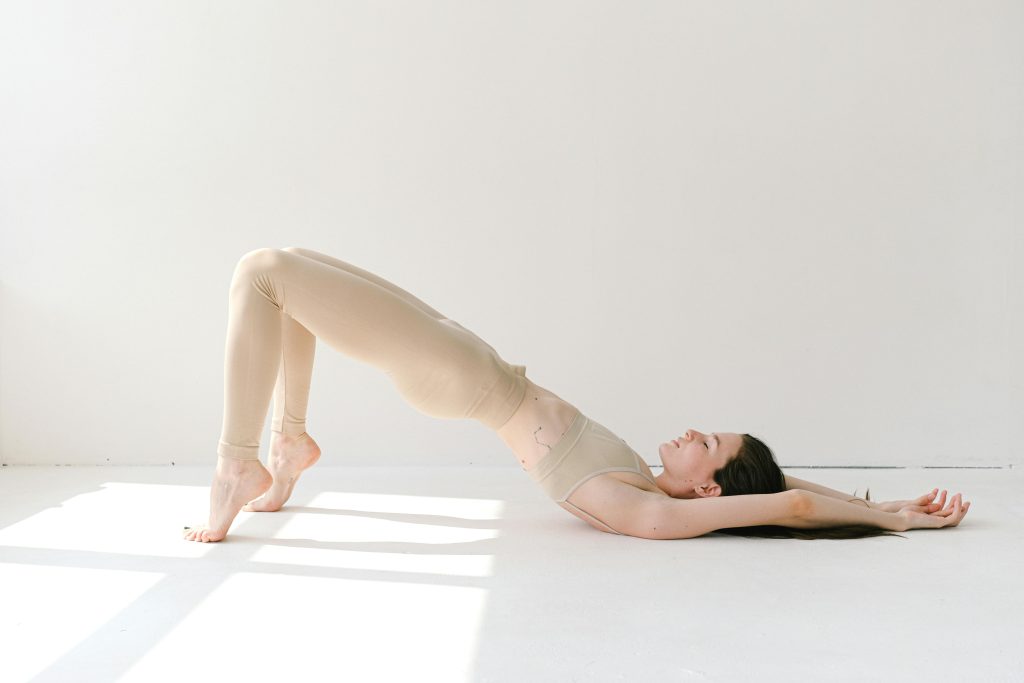 Glute bridges are excellent for strengthening the posterior chain, which includes the glutes, hamstrings, and lower back.
They improve hip mobility, enhance posture, and reduce the risk of lower back pain.
How to Perform:
- Lie on your back with knees bent and feet flat on the floor.
- Place your hands by your sides and engage your core.
- Press through your heels and lift your hips, squeezing your glutes at the top.
- Hold for a second before slowly lowering back down.
Best For:
- Strengthening the glutes and hamstrings.
- Improving lower back stability.
- Reducing the risk of lower-body injuries.
5. Single-Leg Hip Thrust
The single-leg hip thrust is a more advanced variation of the glute bridge, increasing glute activation and improving unilateral strength.
This exercise is particularly effective for developing explosive power and enhancing balance.
How to Perform:
- Position your upper back on a bench, keeping one foot on the ground.
- Extend the opposite leg straight ahead.
- Drive through your planted foot, lifting your hips until your body forms a straight line.
- Lower back down with control and repeat.
6. Heel Slides
Heel slides are a simple yet effective movement for strengthening the hamstrings and improving knee stability.
This exercise is particularly useful for those recovering from injuries or looking to build foundational strength.
How to Perform:
- Lie on your back with your feet resting on a smooth surface or sliders.
- Bend your knees slightly and engage your core.
- Slide your heels toward your glutes while keeping your hips elevated.
- Slowly extend your legs back to the starting position.
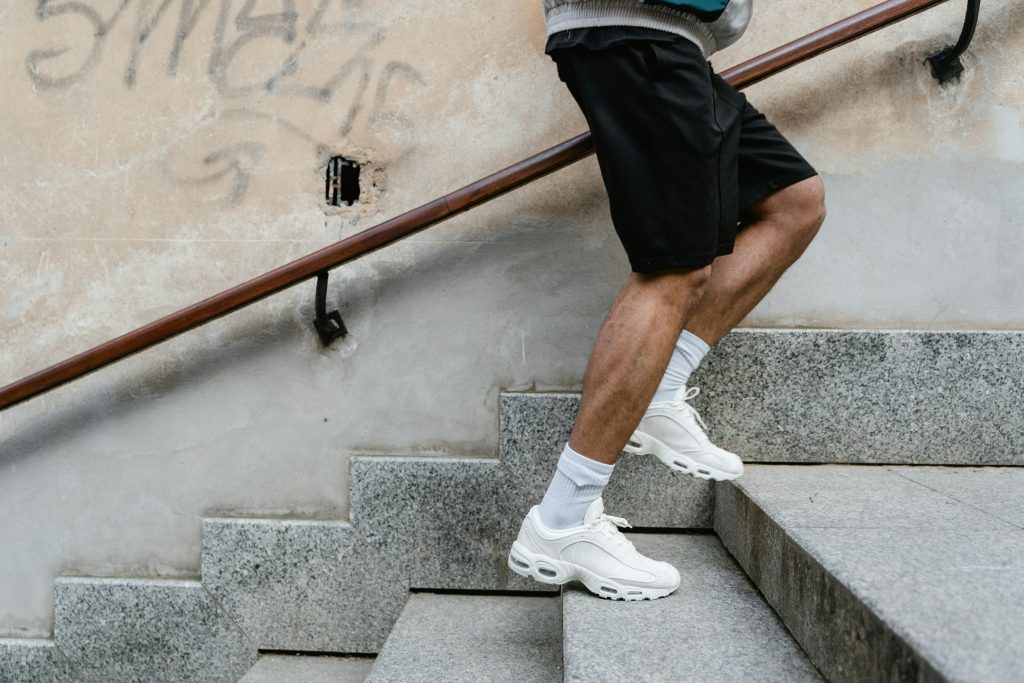
7. Step-Ups

They build lower-body strength, improve balance, and enhance cardiovascular endurance.
How to Perform:
- Stand in front of a sturdy surface, such as a bench or step.
- Place one foot firmly on the elevated surface.
- Push through your leading foot to lift your body upward.
- Step back down with control and repeat on the other leg.
Best For:
- Strengthening the quads, hamstrings, and glutes.
- Improving single-leg stability.
- Enhancing cardiovascular fitness.
8. Box Jumps
Box jumps are a high-intensity plyometric movement that enhances lower-body power, agility, and coordination.
This explosive exercise is great for athletes looking to improve speed and vertical jump performance.
How to Perform:
- Stand in front of a sturdy box or bench.
- Bend your knees slightly and explode upward, jumping onto the surface.
- Land softly in a squat position, keeping your core engaged.
- Step down with control and repeat.
Best For:
- Increasing speed and reaction time.
- Building explosive strength in the legs.
- Enhancing overall athletic performance.
9. Calf Raises
 Calf raises strengthen the lower leg muscles, improving ankle stability and reducing the risk of injury. This exercise enhances endurance and plays a crucial role in running and jumping activities.
How to Perform:
- Stand with feet hip-width apart.
- Slowly lift onto your toes, keeping your balance.
- Hold at the top for a second before lowering back down.
Best For:
- Strengthening the calves and Achilles tendon.
- Improving ankle mobility and stability.
- Enhancing performance in running and jumping sports.
10. Curtsy Lunges
Curtsy lunges are a unique lunge variation that engages the glutes, hamstrings, and inner thighs. This movement enhances balance, coordination, and lower-body strength.
How to Perform:
- Stand with feet hip-width apart.
- Step one foot diagonally behind your other leg.
- Lower your body into a lunge position.
- Push back to the starting position and switch sides.
11. Single-Leg Squats (Pistol Squats)
The pistol squat is an advanced single-leg exercise that requires strength, balance, and mobility.
It targets the quadriceps, glutes, and core while improving overall coordination.
How to Perform:
- Stand on one leg and extend the other leg forward.
- Slowly lower your body into a squat while keeping your chest up.
- Push through your heel to return to standing.
Squat Form and Variations
Squats are one of the most fundamental leg workouts using body weight, engaging the quadriceps, hamstrings, glutes, and core muscles. Proper squat form is essential to avoid injury and maximize muscle activation.
1. Standard Squat
The standard squat is a basic but powerful movement that benefits all fitness levels.
How to Perform:
- Stand with feet shoulder-width apart, toes slightly pointed outward.
- Engage your core and push your hips back as you bend your knees.
- Lower until your thighs are parallel to the ground.
- Press through your heels to return to the starting position.
Benefits:
- Strengthens lower body muscles.
- Improves balance and mobility.
- Provides a strong foundation for more advanced variations.
2. Chair Squat
The chair squat is an excellent modification for beginners or those with knee concerns.
How to Perform:
- Stand in front of a sturdy chair with feet hip-width apart.
- Lower your hips back until you lightly touch the chair.
- Engage your glutes and push up to return to standing.
Benefits:
- Helps beginners learn proper squat mechanics.
- Reduces strain on the knees.
- Builds confidence before advancing to deeper squats.
3. Jump Squat
Jump squats add explosiveness and increase lower-body power.
How to Perform:
- Begin in a squat position with feet shoulder-width apart.
- Push through your heels and explode upward, jumping as high as possible.
- Land softly and lower back into a squat to repeat.
Benefits:
- Boosts cardiovascular endurance.
- Enhances athletic performance.
- Engages fast-twitch muscle fibers for speed and power.
Lunge Form and Variations
Lunges are excellent for building unilateral leg strength, improving balance, and developing coordination. These exercises target the quadriceps, hamstrings, glutes, and stabilizing muscles.
1. Standard Lunge
The standard lunge effectively strengthens both legs equally while improving flexibility.
How to Perform:
- Stand with feet hip-width apart.
- Step forward with one leg and lower your hips until both knees form 90-degree angles.
- Push through the front heel to return to the starting position.
Benefits:
- Builds single-leg strength.
- Improves balance and stability.
- Increases flexibility in the hip flexors.
2. Split Lunge
The split lunge, also known as a stationary lunge, focuses on form and muscle control.
How to Perform:
- Step one foot forward and one foot back into a staggered stance.
- Lower your back knee towards the floor while keeping your chest upright.
- Press through the front heel to return to the starting position.
Benefits:
- Enhances core and lower-body strength.
- Allows better focus on muscle engagement.
- Reduces momentum, increasing the intensity of the movement.
3. Jump Lunge
Jump lunges add an explosive element, making them a great choice for increasing cardiovascular endurance.
How to Perform:
- Start in a lunge position with one foot forward and one foot back.
- Push through both feet and switch legs mid-air, landing in the opposite lunge stance.
- Repeat continuously while maintaining control.
Benefits:
- Increases agility and coordination.
- Boosts cardiovascular fitness.
- Engages core muscles for stabilization.
Additional Leg Exercises
Beyond squats and lunges, incorporating a variety of leg exercises helps target different muscle groups and prevents workout monotony.
1. A-Skip
A-skips are dynamic movements that enhance coordination and build lower-body strength.
How to Perform:
- Start standing tall with feet hip-width apart.
- Drive one knee upward while hopping off the opposite foot.
- Land softly and immediately repeat on the other leg in a rhythmic motion.
Benefits:
- Improves coordination and foot speed.
- Engages hip flexors and calves.
- Enhances running mechanics and agility.
2. Side Lunge
Side lunges strengthen the inner and outer thighs while improving flexibility.
How to Perform:
- Start with feet wider than shoulder-width apart.
- Shift your weight to one side, bending the knee while keeping the other leg straight.
- Push through the bent leg to return to the starting position and switch sides.
Benefits:
- Targets inner and outer thigh muscles.
- Improves lateral movement and mobility.
- Reduces muscle imbalances.
3. Step-Up
Step-ups mimic real-life movements like climbing stairs, making them a functional and effective lower-body exercise.
How to Perform:
- Stand in front of a sturdy platform or bench.
- Step up with one leg, pressing through the heel to lift your body.
- Lower back down and repeat with the opposite leg.
Benefits:
- Enhances single-leg stability and coordination.
- Strengthens the glutes, quads, and hamstrings.
- Reduces the risk of knee injuries by improving joint strength.
By incorporating these squat and lunge variations along with additional leg exercises, you can create a well-rounded leg workouts using body weight that enhances strength, endurance, and mobility.
Pros & Cons of Leg Workouts Using Body Weight
Bodyweight leg training provides a practical and effective way to build lower-body strength without the need for equipment. However, it also has some limitations.
Understanding the pros and cons will help you determine if it aligns with your fitness goals.
Pros
- Improves mobility and endurance – Bodyweight exercises enhance flexibility and joint mobility while boosting muscular endurance, making daily activities easier.
- No equipment required – These exercises can be performed anywhere, making them a convenient and cost-effective option for home workouts or when traveling.
- Low risk of injury – Since there’s no added resistance, bodyweight training reduces strain on the joints, making it suitable for beginners and those recovering from injuries.
Cons
- Limited resistance for strength-building – Without external weights, building significant muscle mass can be challenging, requiring advanced variations.
- Progression can be slow without added intensity – To continue making progress, you need to increase reps, adjust tempo, or incorporate plyometric movements, which may not be suitable for everyone.
How to Complete This Workout
To maximize your bodyweight leg workout, follow a structured plan that includes a warm-up, main workout, and cool-down. This ensures optimal muscle activation, reduces injury risk, and enhances recovery.
1. Warm-Up (5 Minutes)
A proper warm-up prepares your muscles and joints for exercise, improving flexibility and blood flow. Perform the following movements for 30 seconds each, repeating twice:
- Leg Swings – Stand upright and swing one leg forward and backward, then switch sides to improve hip mobility.
- Bodyweight Squats – Perform slow and controlled squats to activate your quads, hamstrings, and glutes.
- High Knees – Jog in place while bringing your knees to waist level to increase heart rate and warm up your lower body.
2. Workout Plan
Perform 3 rounds of the following exercises with minimal rest between movements:
- Bodyweight Squats – 12 reps to build lower-body strength.
- Step-Ups – 10 reps per leg, using a sturdy surface to improve balance.
- Jump Squats – 10 reps to enhance power and explosiveness.
- Lunges – 12 reps per leg to strengthen quads, hamstrings, and glutes.
- Glute Bridges – 15 reps to activate and tone the posterior chain.
3. Cool-Down (5 Minutes)
Cooling down helps your muscles recover and reduces post-workout stiffness. Hold each stretch for 30 seconds and repeat twice:
- Hamstring Stretch – Extend one leg forward and lean over it to stretch the back of the thigh.
- Calf Stretch – Press one foot against a wall while keeping your heel down to stretch your calves.
- Hip Flexor Stretch – Step one foot forward into a lunge position, lowering your hips to stretch the hip flexors.
Perform this workout regularly to build strong, toned legs without any equipment!
The Bottom Line
Leg workouts using body weight provide a convenient and effective way to build lower-body strength, endurance, and mobility without the need for equipment.
By incorporating a variety of exercises, such as squats, lunges, and step-ups, you can target all major leg muscles while improving balance and coordination.
With consistent effort and proper form, you can develop strong, toned legs anytime, anywhere.
Make these exercises a part of your fitness routine today and experience the benefits of bodyweight leg training firsthand!