


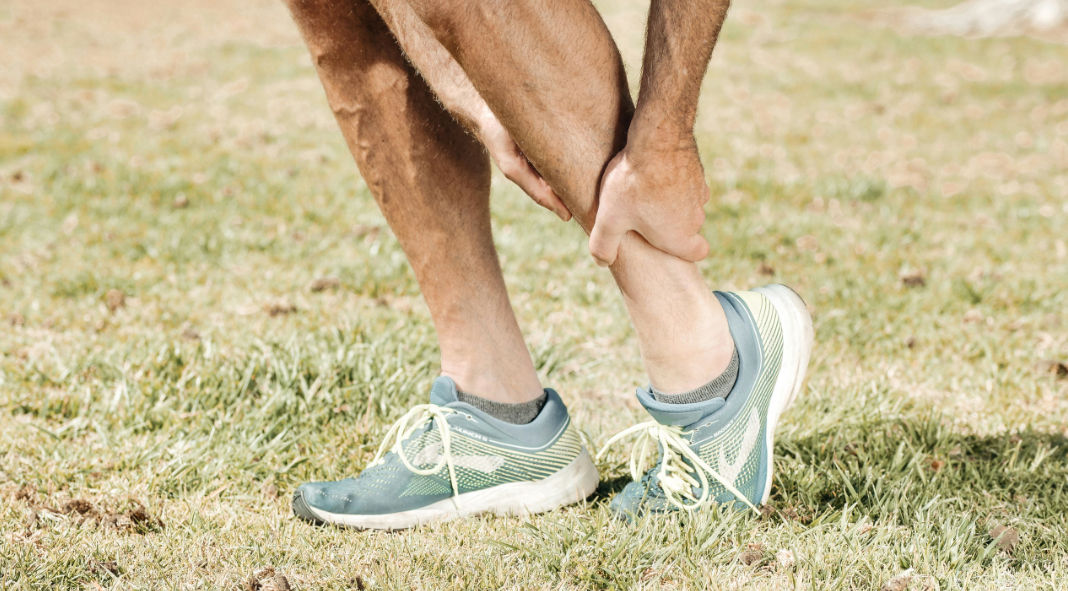
Have you ever finished a long walk only to be met with nagging ankle pain?
You’re not alone.
Many people experience discomfort in their ankles after walking, ranging from mild soreness to severe pain that interferes with daily activities.
Ankle pain after walking can be caused by various factors, including overuse, improper footwear, or underlying health conditions. Ignoring the pain may lead to chronic issues, making it essential to understand the root cause and address it early.
This guide will explore the common reasons behind ankle pain, effective treatments, and proven prevention strategies.
By the end of this article, you’ll have a clear action plan to relieve discomfort and keep your ankles healthy.
Common Causes of Ankle Pain After Walking
Ankle pain after walking can result from various factors, including overuse, improper footwear, or underlying health conditions.

Understanding these causes can help you take the right steps to prevent and manage pain effectively.
1. Overuse and Strain Injuries
Ankle pain after walking is a common complaint that can stem from various causes, with overuse and strain injuries being among the most prevalent.
When we engage in physical activities, especially those that involve repetitive motions or prolonged periods of walking, our ankles can become stressed. This stress often leads to inflammation and discomfort.
If you suddenly increase your walking routine without proper conditioning, your ankles may struggle to handle the extra workload.
This is especially true for individuals who engage in activities like hiking, power walking, or running after a long break. Without enough rest and recovery, the risk of pain and potential injuries increases significantly.
Signs of overuse injuries include persistent soreness, swelling, and reduced flexibility in the ankle joint.
Ignoring these symptoms can lead to more severe conditions, such as stress fractures or chronic tendinitis.
2. Poor Footwear and Walking Mechanics
The type of footwear you wear plays a crucial role in maintaining ankle health.
Shoes that lack proper arch support, cushioning, or stability can force your foot into unnatural positions, increasing stress on the ankle joint.
Old, worn-out sneakers, high heels, and completely flat shoes can all contribute to discomfort.
Walking mechanics, or the way your foot strikes the ground, also affect your ankle’s well-being. If you overpronate (roll your foot inward excessively) or supinate (roll outward too much), your ankle absorbs more impact than it should.
Over time, this misalignment can cause strain, pain, and even long-term damage to your ankle structure.
3. Ankle Sprains and Ligament Injuries
Ankle sprains are among the most common injuries resulting from walking, especially on uneven surfaces or when taking a misstep.
A sprain occurs when the ligaments that stabilize the ankle are overstretched or torn. Mild sprains may only cause minor swelling and discomfort, while severe sprains can lead to significant bruising, instability, and an inability to bear weight.
Even if a sprain seems minor, inadequate treatment can weaken the ligaments, making you more susceptible to repeated injuries.
Chronic instability from untreated sprains can contribute to ongoing pain and difficulty walking on uneven surfaces.
4. Arthritis and Joint Inflammation
Arthritis is a major contributor to chronic ankle pain, especially in older adults. Osteoarthritis, which results from cartilage breakdown over time, can lead to joint stiffness, swelling, and discomfort after walking.
Rheumatoid arthritis, an autoimmune condition, can cause painful inflammation in the ankle joint, making movement difficult.
Individuals with arthritis may experience pain that worsens with prolonged walking, particularly in the morning or after periods of inactivity.
As the condition progresses, it may lead to reduced mobility, making everyday tasks like walking or climbing stairs challenging.
5. Tendonitis (Achilles & Peroneal Tendon Issues)
Tendonitis refers to inflammation of the tendons surrounding the ankle, often caused by repetitive movements.
Achilles tendonitis affects the tendon that runs down the back of the ankle, causing pain and stiffness, especially after walking uphill or on hard surfaces.
Peroneal tendonitis, on the other hand, affects the outer side of the ankle and can lead to swelling and instability.
Both conditions are aggravated by overuse, improper footwear, and insufficient stretching before exercise.
If left untreated, tendonitis can progress into tendon degeneration, leading to chronic pain and weakness in the ankle.
6. Nerve Compression (Tarsal Tunnel Syndrome)
Tarsal tunnel syndrome is a condition in which the tibial nerve, located inside the ankle, becomes compressed or irritated.
This can cause tingling, burning pain, and numbness in the ankle and foot, especially after prolonged walking.
Walking for extended periods or wearing tight shoes can worsen the symptoms, making it difficult to stay active.
People with flat feet or those who overpronate are at a higher risk of developing this condition.
If you experience persistent tingling or burning sensations, it’s important to seek medical advice to prevent nerve damage.
7. Circulatory or Systemic Issues
Certain health conditions, such as diabetes and poor circulation, can contribute to ankle pain after walking.
Diabetic neuropathy, a common complication of diabetes, damages nerves in the feet and ankles, leading to sharp, burning pain or numbness.
Additionally, poor circulation can result in swelling, heaviness, and discomfort in the ankles and lower legs.
Conditions like peripheral artery disease (PAD) can restrict blood flow to the extremities, leading to pain and cramping during physical activity.
If you notice persistent swelling, discoloration, or a loss of sensation in your feet and ankles, it’s crucial to consult a healthcare professional.
Effective Treatments for Ankle Pain After Walking
If you’re experiencing ankle pain after walking, there are several treatment options to help alleviate discomfort and promote healing.

These solutions can provide relief and prevent future pain from home remedies to professional care.
1. Rest, Ice, Compression, and Elevation (RICE Method)
The RICE method is a well-known first-aid treatment for reducing pain and inflammation.
-
Rest: Avoid putting excessive weight on the affected ankle.
Walking on an injured ankle can worsen the condition and delay healing.
If possible, limit physical activity and use crutches if necessary. -
Ice: Applying an ice pack for 15-20 minutes every 2-3 hours can help numb pain and minimize swelling.
Be sure to wrap the ice in a towel to prevent direct contact with the skin, which can cause ice burns. -
Compression: Using an elastic bandage or ankle wrap can provide support and reduce swelling.
Ensure the bandage is snug but not too tight to maintain proper blood flow. -
Elevation: Keeping the ankle elevated above heart level encourages fluid drainage and reduces swelling.
Try propping your foot up with pillows while sitting or lying down.
2. Choosing Proper Footwear and Insoles
Choosing proper footwear and insoles is crucial for effectively managing ankle pain after walking. The right shoes provide essential support, cushioning, and stability, which can significantly reduce discomfort.
- Shoes should have proper arch support and cushioning to absorb impact and reduce stress on the ankle joint.
- Avoid flat shoes, high heels, or worn-out sneakers, as they lack the necessary support and can contribute to misalignment.
- Consider using orthotic insoles or custom shoe inserts to correct foot posture and relieve ankle pressure.
Orthotics can help redistribute weight evenly and provide stability.
3. Stretching and Strengthening Exercises
Regular stretching and strengthening can improve flexibility, reduce stiffness, and prevent future pain.
- Ankle Circles: Rotate your ankle clockwise and counterclockwise to increase mobility.
- Achilles Stretch: Stand facing a wall, place one foot behind the other, and push the back heel toward the floor.
This stretch helps loosen the Achilles tendon and calf muscles. - Resistance Band Exercises: Strengthen the ankle by wrapping a resistance band around your foot and flexing your ankle against the resistance.
- Toe Raises & Heel Drops: Standing on a step, slowly raise your heels and lower them below the step to strengthen the muscles supporting the ankle.
4. Massage and Physical Therapy
Massage can be highly effective in relieving tension and promoting blood circulation in the ankle.
- Gently massaging the affected area with essential oils, such as lavender or peppermint oil, can help reduce inflammation.
- Using a foam roller or massage ball under your foot can ease tightness in the ankle and surrounding muscles.
- If pain persists, physical therapy can address underlying gait issues and provide personalized strengthening and rehabilitation exercises.
A physical therapist may also recommend specific taping techniques to support the ankle.
5. Pain Relief Options (Medication & Home Remedies)
If the pain is persistent, additional pain relief methods can help.
- Over-the-counter medications such as ibuprofen or acetaminophen can reduce inflammation and pain.
Always follow dosage instructions and consult a doctor if you have underlying health conditions. - Epsom salt baths are known for their muscle-relaxing properties.
Soaking your feet in warm water with Epsom salt for 15-20 minutes can ease soreness. - Essential oils and natural remedies like eucalyptus or ginger oil can be applied to the ankle for anti-inflammatory benefits.
6. Bracing and Ankle Support
Using ankle braces or compression sleeves can provide additional support and stability.
- A lightweight, breathable ankle brace helps prevent excessive movement, reducing strain on the joint.
- Compression sleeves improve blood circulation and help manage swelling.
- If you engage in frequent walking or physical activities, wearing a brace can help prevent re-injury and support the ankle’s recovery.
By following these treatments, you can relieve ankle pain after walking and strengthen your joints for long-term health.
If symptoms persist despite these methods, it may be time to seek medical attention for a more in-depth evaluation.
Preventing Ankle Pain in the Future
Taking proactive steps to prevent ankle pain can help you enjoy walking without discomfort.

By improving your posture, strengthening your ankles, avoiding overuse, and maintaining a healthy weight, you can significantly reduce the risk of injuries and chronic pain.
1. Improving Walking Posture & Gait
Your walking posture plays a crucial role in your ankle health. Maintaining a straight posture helps distribute weight evenly across your feet, reducing stress on your ankles.
Ensure your shoulders are relaxed, and your core is engaged while walking. Avoid overstriding, which occurs when you take excessively long steps.
This can create an imbalance in your foot mechanics and put unnecessary pressure on your ankle joints.
Instead, take natural, moderate steps and allow your heel to land first, followed by a smooth roll through the ball of your foot.
Your gait, or the way you walk, should be neutral and balanced. Some people naturally walk with excessive pronation (foot rolling inward) or supination (foot rolling outward), which can strain the ankle.
If you notice discomfort or uneven wear on your shoes, consider consulting a podiatrist or wearing orthotic insoles to correct gait issues.
2. Strengthening Exercises for Long-Term Ankle Health
Strong ankles are more resilient against pain and injuries. Incorporating targeted exercises into your routine can enhance stability, flexibility, and muscle endurance.
Balance exercises, such as single-leg stands, improve proprioception and help your body react better to uneven surfaces.
Start by standing on one leg for 30 seconds and gradually increase the duration.
Calf raises are excellent for strengthening the ankle and foot muscles. Stand with your feet shoulder-width apart, slowly raise your heels, and lower them back down. Perform three sets of 15 repetitions to build strength over time.
Using resistance bands can improve flexibility and mobility in the ankle joint.
Try pointing and flexing your foot against resistance or rotating your ankle in controlled circles to enhance its range of motion.
3. Avoiding Overuse and Knowing Your Limits
Overuse injuries are common in people who suddenly increase their walking intensity or duration without proper conditioning.
To prevent this, gradually build up your endurance by adding a few extra minutes or steps each day.
If you experience discomfort, take a break rather than push through the pain.
Listening to your body is essential for injury prevention. If your ankles feel sore or swollen, allow them time to recover before resuming intense walking sessions.
Alternating between high- and low-impact activities, such as swimming or cycling, can reduce stress on your ankles while keeping you active.
Warming up before a walk and cooling down afterward can also prevent strain. Stretch your calves, Achilles tendon, and ankles before heading out to loosen up the muscles and joints.
4. Maintaining a Healthy Weight for Joint Health
Excess body weight increases pressure on your ankle joints, making them more prone to pain and injuries.
Every extra pound of body weight places additional stress on your feet and ankles, potentially leading to long-term joint problems.
Maintaining a balanced diet rich in anti-inflammatory foods can help support joint health.
Include omega-3 fatty acids from fish, nuts, and seeds, as well as leafy greens and colorful vegetables packed with antioxidants.
Hydration is another crucial factor in joint health. Drinking enough water ensures that the cartilage and soft tissues in your ankles remain lubricated, reducing friction and discomfort during movement.
When to See a Doctor
While mild ankle pain after walking often resolves with rest and home care, persistent or severe discomfort may indicate a more serious issue.
Ignoring symptoms can lead to long-term damage, so it’s essential to recognize when medical attention is necessary.
Signs That Require Medical Attention
- Pain that persists for more than a few weeks despite home treatments.
- Swelling that does not subside with rest, ice, compression, and elevation.
- Difficulty bearing weight on the affected ankle, making walking painful or impossible.
- Numbness, tingling, or a burning sensation in the ankle or foot, could indicate nerve compression.
- Discoloration, excessive bruising, or a visible deformity in the ankle, suggest a fracture or severe ligament damage.
Diagnostic Tests & Treatment Options:
- X-rays and MRIs can identify fractures or soft tissue damage.
- Physical therapy may be recommended for chronic ankle pain.
- In severe cases, corticosteroid injections or surgery may be required.

Conclusion
Ankle pain after walking is common, but it doesn’t have to limit your mobility.
Understanding the cause of your pain is the first step toward effective treatment. By wearing proper footwear, strengthening your ankles, and following simple recovery techniques, you can walk pain-free and maintain joint health.
If your pain persists despite home remedies, consult a medical professional for personalized treatment.
Taking proactive steps today can help you enjoy long walks without discomfort.
Would you like more personalized recommendations?
Leave a comment below and share your experience!