
Lack of sleep can take a serious toll on your mental well-being, affecting everything from mood regulation to cognitive function.
When you don’t get enough sleep, your brain struggles to process emotions, manage stress, and maintain focus.
This raises an important question: how does lack of sleep affect mental health? Chronic sleep loss has been linked to heightened anxiety, depression, mood swings, and impaired decision-making.
It can also increase emotional sensitivity, reduce resilience to stress, and weaken overall mental clarity.
In this article, we’ll explore the deep connection between sleep and psychological health, the consequences of sleep deprivation, and effective ways to improve your sleep quality.
By prioritizing restful sleep, you can enhance emotional stability, sharpen cognitive function, and protect your overall well-being.
Why Is Sleep So Important for Our Mental Health?
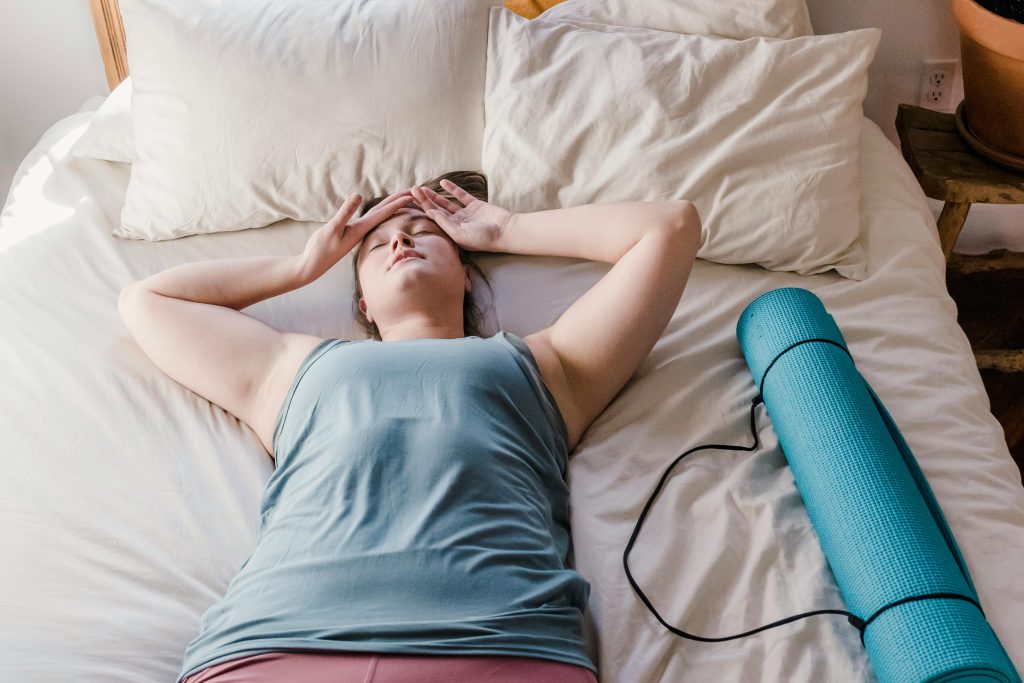
Quality sleep plays a fundamental role in maintaining mental well-being by supporting cognitive function, emotional stability, and stress management.
During rest, the brain undergoes essential processes that enhance memory retention, regulate mood, and restore neural connections.
Without adequate sleep, emotional control weakens, leading to heightened irritability, increased susceptibility to anxiety, and difficulty processing daily challenges.
How Sleep Supports Mental Health
- Stabilizes Emotions – Adequate rest promotes better mood regulation, reducing emotional outbursts.
- Enhances Cognitive Function – Sleep strengthens neural pathways, improving focus and problem-solving.
- Lowers Stress Levels – A well-rested body reduces cortisol production, preventing chronic stress.
- Balances Neurotransmitters – Sleep supports dopamine and serotonin levels, fostering a positive mindset.
Establishing a regular sleep pattern is essential for emotional resilience, mental clarity, and overall psychological health. By prioritizing rest, you equip your mind to handle daily stressors more effectively and maintain a stable emotional state.
What Are the Side Effects of Lack of Sleep?
Lack of sleep negatively impacts both mental and physical health, leading to a range of short-term and long-term consequences.
Mental Health Effects
Sleep deprivation often results in heightened emotional sensitivity, causing irritability and frustration.
It can intensify anxiety, making everyday situations feel more stressful.
Prolonged sleep loss has been linked to an increased likelihood of depression. Individuals struggling with insufficient rest may experience intrusive thoughts and heightened emotional distress.
Severe cases of sleep deprivation can trigger hallucinations, paranoia, and disorganized thinking.
Physical Health Implications
The immune system weakens due to inadequate sleep, reducing the body’s ability to fight infections.
Chronic sleep deficiency raises the risk of cardiovascular conditions, including hypertension and heart disease.
Metabolic imbalances associated with sleep loss contribute to weight gain and insulin resistance, increasing the risk of diabetes.
Poor sleep habits are linked to obesity due to disruptions in hunger-regulating hormones. Over time, insufficient rest may contribute to kidney disease and a heightened stroke risk.
Cognitive and Behavioral Consequences
Lack of proper rest impairs attention, making it harder to absorb and retain new information.
Memory processing becomes sluggish, affecting recall and cognitive performance.
Problem-solving abilities decline, making decision-making more challenging. Emotional regulation becomes difficult, leading to mood swings and impulsive behavior.
Additional Effects
Disrupted sleep patterns often increase cravings for unhealthy, high-calorie foods.
Many individuals compensate for exhaustion with excessive caffeine consumption.
Impaired coordination and balance can lead to an increased risk of accidents.
Reproductive health may suffer due to hormonal imbalances linked to chronic sleep deprivation.
Ignoring the need for rest can have severe health consequences, making it essential to prioritize quality sleep.
How Can Lack of Sleep Affect You Emotionally?

Sleep deprivation has a profound impact on emotional well-being, making it more difficult to maintain stability and control over your feelings. When you don’t get enough rest, you may find yourself more easily agitated, reacting more strongly to minor frustrations, and struggling to manage daily stressors effectively.
The brain’s ability to regulate emotions is significantly weakened, increasing the likelihood of heightened sensitivity to negative experiences.
How Sleep Deprivation Affects Emotional Health
Amplified Negative Feelings
People who consistently lack sleep often experience stronger negative emotions such as frustration, sadness, and anger.
Without adequate rest, your brain has a harder time processing and responding appropriately to emotional challenges, leading to an overall decline in mood stability.
Weakened Emotional Regulation
Sleep plays a crucial role in maintaining balance in the brain’s emotional control centers. When deprived of sleep, the part of the brain responsible for rational thinking and impulse control becomes less effective.
As a result, emotional reactions can become exaggerated, making it harder to navigate stressful situations with patience and composure.
Overactive Emotional Responses
The amygdala, which governs emotional reactions, becomes overly sensitive when sleep is lacking.
This means that even minor inconveniences or negative events can trigger stronger reactions than usual. Without proper rest, emotional resilience weakens, leading to an increased tendency to dwell on negative thoughts.
Reduced Ability to Experience Joy
Sleep is essential for maintaining a balanced emotional state. A lack of quality rest can make it harder to feel positive emotions like happiness and satisfaction.
Over time, this diminished ability to experience joy can contribute to an overall sense of emotional numbness or dissatisfaction with life.
Increased Risk of Mental Health Struggles
Persistent sleep deprivation can heighten the risk of developing mental health conditions such as depression and anxiety.
Without adequate sleep, the brain struggles to regulate neurotransmitters, making it harder to maintain a stable emotional state.
Is 7 Hours of Sleep Enough?
The amount of sleep you need depends on various factors, including age and lifestyle. According to most health experts, 7 hours of sleep is considered enough for most healthy adults; however, individual needs may vary, and some people might require slightly more or less sleep depending on their lifestyle and health factors.
Recommended Sleep Duration:
- Infants: 14–17 hours
- Children (6–12 years): 9–12 hours
- Teens (13–18 years): 8–10 hours
- Adults (18–64 years): 7–9 hours
- Older Adults (65+): 7–8 hours
While seven hours might be sufficient for some, many people function best with 8–9 hours of quality sleep.
Psychological Effects of Sleep Deprivation

A consistent lack of sleep profoundly affects brain function and emotional health.
The body relies on rest to regulate mood, process emotions, and maintain cognitive stability.
Without adequate sleep, these functions become impaired, increasing vulnerability to psychological distress.
Mental Health Conditions Linked to Insufficient Sleep
- Depression: Sleep deprivation interferes with neurotransmitter balance, contributing to persistent sadness and emotional numbness.
- Anxiety Disorders: A lack of rest heightens stress hormone production, making individuals more prone to excessive worry and fear.
- Bipolar Disorder: Disruptions in sleep cycles can lead to unpredictable mood swings, exacerbating manic and depressive episodes.
- Psychotic Symptoms: Extended periods of wakefulness may cause cognitive distortions, including hallucinations and paranoia.
The relationship between sleep and mental health is cyclical—poor sleep worsens mental disorders, while these conditions further disrupt rest.
Improving sleep hygiene and maintaining a regular schedule can enhance emotional resilience and cognitive clarity.
Addressing sleep problems early can help prevent the escalation of mental health conditions.
What Are the 5 Stages of Sleep Deprivation?
Sleep deprivation worsens over time, progressing through five critical stages.
| Stage | Duration Without Sleep | Effects on Mind and Body |
|---|---|---|
| Stage 1 | 24 Hours | Impaired judgment, mood swings, sluggish reflexes. |
| Stage 2 | 36 Hours | Increased irritability, difficulty processing emotions, and memory issues. |
| Stage 3 | 48 Hours | Microsleeps (brief involuntary naps), severe cognitive impairment, stress overload. |
| Stage 4 | 72 Hours | Hallucinations, paranoia, intense mood disturbances. |
| Stage 5 | Chronic Sleep Deprivation (Several Days) | Heightened risk of psychosis, organ failure, mental breakdown. |
Prolonged sleep deprivation is highly dangerous, leading to severe mental and physical consequences.
Prioritizing rest is essential for maintaining overall health and cognitive function.
What Are the Treatments for Sleep Deprivation?

Addressing sleep deprivation requires adopting healthier habits and making intentional adjustments to your routine.
-
Cognitive Behavioral Therapy for Insomnia (CBT-I):
A structured approach that helps identify and replace negative sleep patterns with healthier habits, improving long-term sleep quality. -
Melatonin Supplements:
Supports better sleep by regulating the body’s internal clock. Beneficial for those with irregular sleep cycles, but should be used in moderation and under medical guidance. -
Reducing Caffeine and Alcohol Intake:
- Avoid caffeine in the afternoon and evening to prevent alertness at bedtime.
- Limit alcohol consumption, as it disrupts sleep cycles and reduces deep sleep quality.
-
Stress Management Techniques:
- Practice meditation, deep breathing, or yoga to calm the mind before bed.
- Establish a relaxing nighttime routine, such as reading or listening to soothing music.
-
Consulting a Sleep Specialist:
If sleep issues persist, seeking professional help can identify underlying conditions like insomnia or sleep apnea and provide tailored treatment solutions.
Tips for Getting a Good Night’s Sleep
Having trouble falling or staying asleep? Implement these proven techniques to improve your rest.
Ways to Enhance Sleep Quality:
- Go to bed and wake up at the same time daily to regulate your internal clock.
- Develop a calming pre-sleep ritual, such as listening to soft music or practicing deep breathing.
- Reduce exposure to electronic devices before bedtime to minimize blue light interference.
- Maintain a comfortable sleeping environment by adjusting temperature, lighting, and noise levels.
- Steer clear of caffeine, nicotine, and large meals in the evening to prevent disruptions.
- Incorporate physical activity into your daily routine, but avoid intense workouts too close to bedtime.
Even minor adjustments to your habits can significantly enhance the duration and quality of your sleep.
Final Words
Your mental health depends on good sleep. Chronic sleep deprivation increases the risk of stress, anxiety, and severe psychological disorders.
Prioritize your sleep by establishing healthy habits and addressing any sleep issues early.
If you’re struggling with persistent insomnia, seek professional help.
A well-rested mind is a healthier, happier mind. Start prioritizing your sleep today!