


Are you struggling with knee pain but still want to stay fit? The right leg workouts for bad knees can help you stay active and strong.
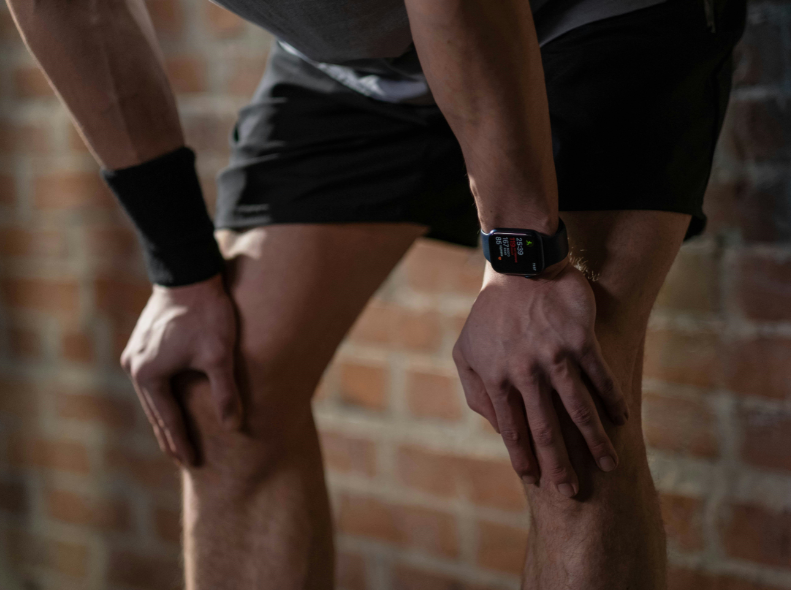
Many people avoid leg workouts, fearing that movement will only worsen things. But did you know that the right exercises can strengthen your knees and reduce pain over time?
If you’ve been struggling to stay active due to knee discomfort, you’re not alone. Joint problems, arthritis, and past injuries often lead people to give up on leg day.
In this guide, you’ll discover the top 10 leg workouts for bad knees that are safe, effective, and easy to do at home.
You’ll also learn important tips on modifying movements, avoiding common mistakes, and protecting your joints while staying active.
Let’s dive in and find the best leg workouts to keep you strong and pain-free!
The Top 10 Leg Workouts for Bad Knees
1. Sit to Stand
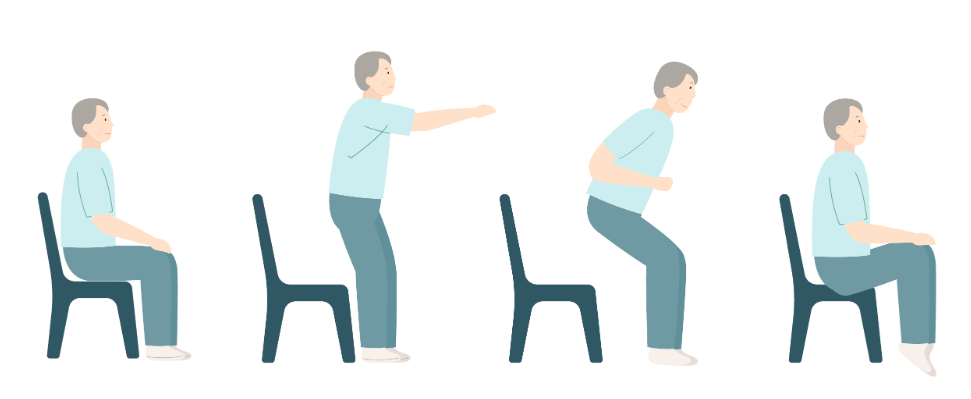
Sit-to-stand, also known as the chair rise or chair stand, is an excellent exercise for strengthening the muscles needed for sitting and standing and improving balance and stability.
This simple yet effective movement helps build leg strength and enhances functional mobility, making daily activities easier.
How to Perform:
- Sit near the front edge of a sturdy, armless chair. Keep your knees bent, feet flat on the floor, shoulder-width apart, and aligned under your hips.
- Maintain good posture by keeping your back and neck straight while slightly leaning your chest forward.
- Place your hands lightly on the sides of the seat for balance but avoid using them to push yourself up.
- Take a deep breath in. As you exhale, shift your weight slightly forward and press through your heels to stand up slowly.
- Pause at the top for a full breath in and out, ensuring stability.
- Inhale as you slowly lower yourself back down, engaging your core muscles to control the descent. Avoid dropping back into the chair—lower yourself with control.
- Exhale fully as you return to a seated position.
Reps and Sets:
- Perform 10–15 repetitions per set.
- Rest for one minute between sets.
- If needed, start with fewer reps and gradually increase as your strength improves.
Why It Works:
This exercise mimics real-life movements like getting up from a chair, improving functional strength.
2. Toe Taps
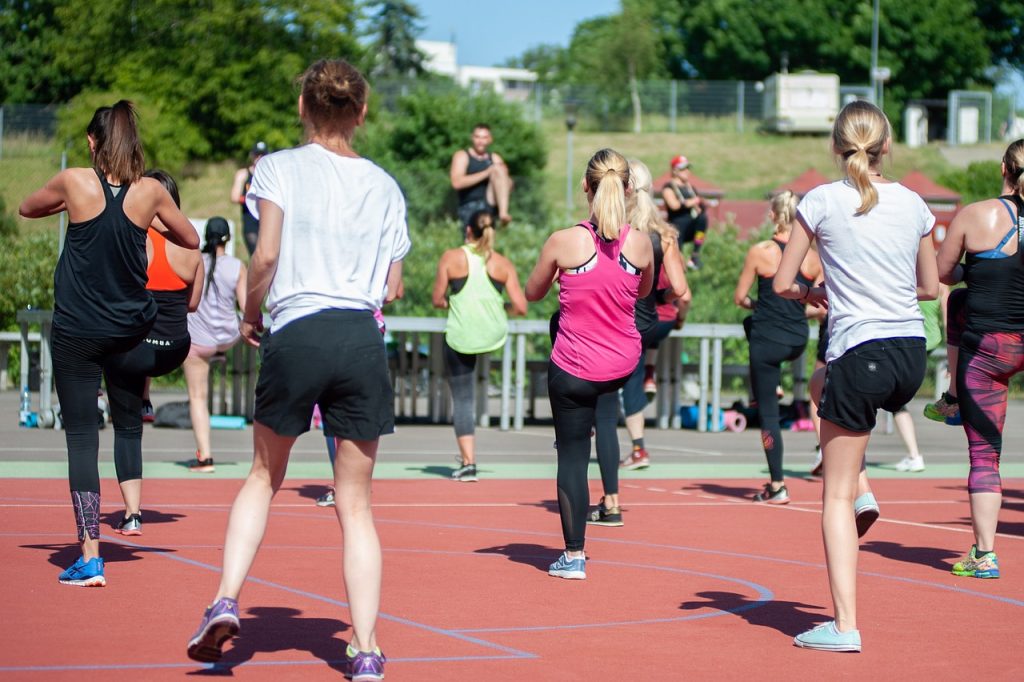
Building strength in a single leg helps address side-to-side imbalances that can put stress on your knees.
Toe Taps enhance balance and stability on one leg while strengthening the glute med muscle group, offering knee protection.
With limited knee movement, Toe Taps are a safe and effective leg-strengthening exercise for individuals with knee concerns.
How to Do It:
- You’ll need a platform that is at least 10 to 12 inches high, such as an aerobic step, plyo box, BOSU ball, or any elevated surface.
- Ensure the area around and behind you is clear of debris to avoid tripping hazards.
- Stand in front of the platform with your arms relaxed at your sides.
- Raise your right foot and place the ball of your foot on the platform, keeping your left foot flat on the floor. This is your starting position.
- Push off the ground with your left foot and switch legs mid-air, so your left foot lands on the platform and your right foot is now on the ground.
- Your arms can stay at your sides or alternate with your legs, as in running.
- Repeat the alternating toe taps.
- If you’re new to the exercise, take it slow until you’re comfortable with the movement and your form is correct.
- Once ready, increase your pace, tapping the edge of the platform as you alternate feet.
- To finish, step both feet back onto the floor.
Why It Works:
Toe taps keep your legs moving without excessive bending, promoting circulation and mobility.
3. Wall Sit

When it comes to maintaining fitness with bad knees, wall sits are an exceptional choice that should not be overlooked.
This exercise is a fantastic way to strengthen your quadriceps without putting undue stress on your knee joints.
How to Perform a Wall Sit:
- Find a flat wall and stand with your back against it.
- Position your feet shoulder-width apart and about 2 feet away from the wall.
- Engage your abdominal muscles.
- Slowly slide your back down the wall until your thighs are parallel to the ground.
- Ensure your knees are directly above your ankles, not over your toes.
- Keep your back flat against the wall throughout the exercise.
- Hold the position for 20 to 60 seconds.
- Gradually slide back up to a standing position.
- Rest for 30 seconds and repeat the exercise three times.
- As your strength improves, increase your hold time in five-second increments.
Why It Works:
This isometric exercise strengthens your legs while reducing joint impact.
4. Single Leg Step Up
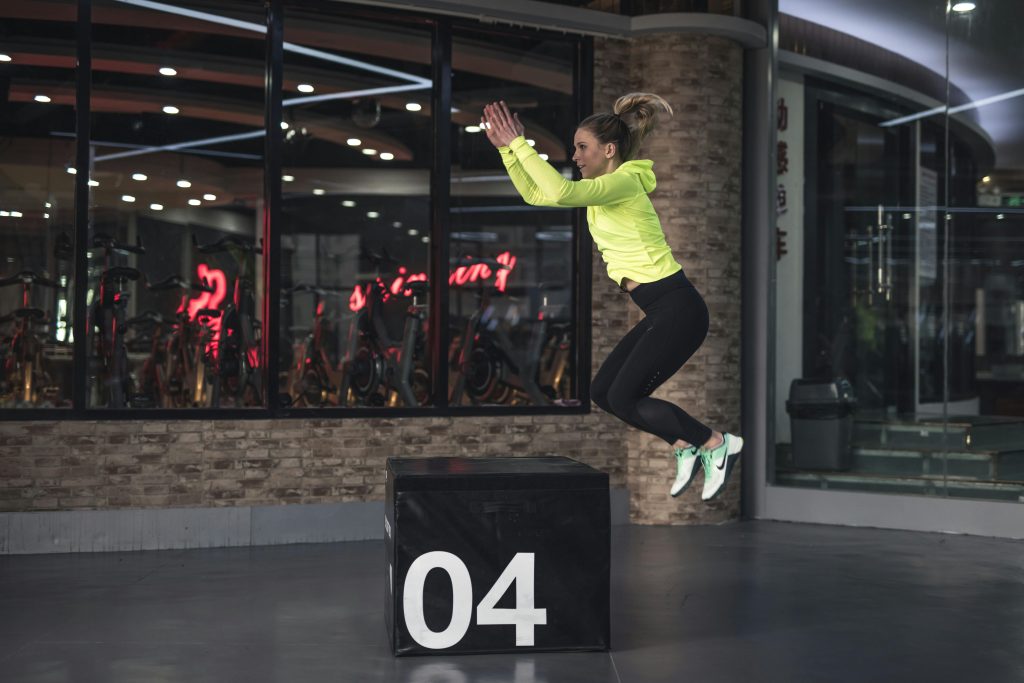
Step-ups improve balance, coordination, and lower body strength with minimal knee strain.
How to Do It:
To perform a single-leg step-up with the correct form:
-
- Find a stable platform (e.g., step, box, bench, or rock) to step onto.
- Place one foot on the platform and keep the other foot on the ground. Ensure your body is aligned and balanced.
- Press through the foot on the platform, lifting your body.
- Lower yourself back down slowly, avoiding using the opposite foot for assistance or leaning forward.
- Complete the desired number of repetitions, then switch legs.
Why It Works:
It’s a controlled way to strengthen your legs while improving knee stability.
5. Glute Bridge
This is one of the best exercises for strengthening the glutes and hamstrings, which helps support the knees.
How to Do It:
Positioning:
-
- Lie on your back with your knees bent and feet flat on the ground.
- Keep your feet hip-width apart with toes pointed straight ahead.
- Place your heels about 6-8 inches from your glutes.
- Rest your arms by your sides with palms facing up toward the ceiling.
Activation:
-
- Engage your glutes and abs as you begin to lift your hips toward the ceiling.
Lift:
-
- Raise your hips as high as possible without arching your back.
- Aim to create a straight line from your knee to your hip and shoulder.
Hold:
-
- Squeeze your glutes tightly at the top, holding for two seconds.
Lower:
-
- Slowly lower your hips back to the floor while maintaining tension in your glutes and abs.
Why It Works:
By focusing on the posterior chain, this move relieves pressure from the knees.
6. Leg Lifts
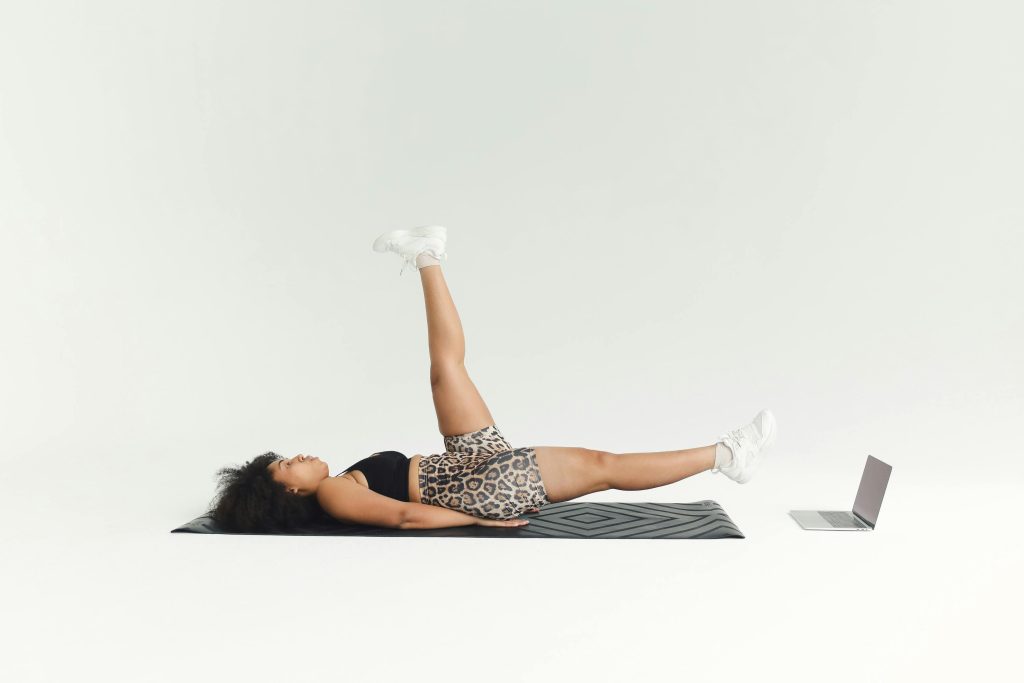 Leg lifts are exercises where you use your core to lift your legs. They are versatile and can be modified based on your fitness level and goals.
Steps:
- Lie flat on the floor, or a towel or yoga mat.
- Press your back firmly into the floor, ensuring there is no space between your lower back and the floor.
- Squeeze your legs together, from your inner thighs to your ankles, while keeping your feet and toes relaxed.
- Inhale slowly as you lift both legs together, aiming to keep them as straight as possible. Try to lift your legs vertically, forming a capital “L” shape. (This may take time to perfect.)
- Exhale slowly while lowering your legs, stopping when they hover just a few inches above the floor.
- Pause briefly, then repeat the movement.
Beginner Tips
- Start with 10 repetitions per session, or aim for 30 seconds if you prefer timing your sets.
- As you build strength, gradually increase the number of repetitions.
Why It Works:
It improves leg strength without putting direct pressure on the knees.
7. Banded Hip Hinge
The hip hinge is a crucial movement that minimizes knee strain while strengthening your glutes and hamstrings. This banded variation adds resistance, reinforcing the movement pattern and enhancing muscle engagement.
How to Do It:
- Stand with a resistance band around your hips.
- Push your hips back while keeping your spine neutral.
- Return to standing and repeat for 12 reps.
Why It Works:
It reinforces proper movement mechanics, reducing knee stress.
8. Kettlebell Deadlift
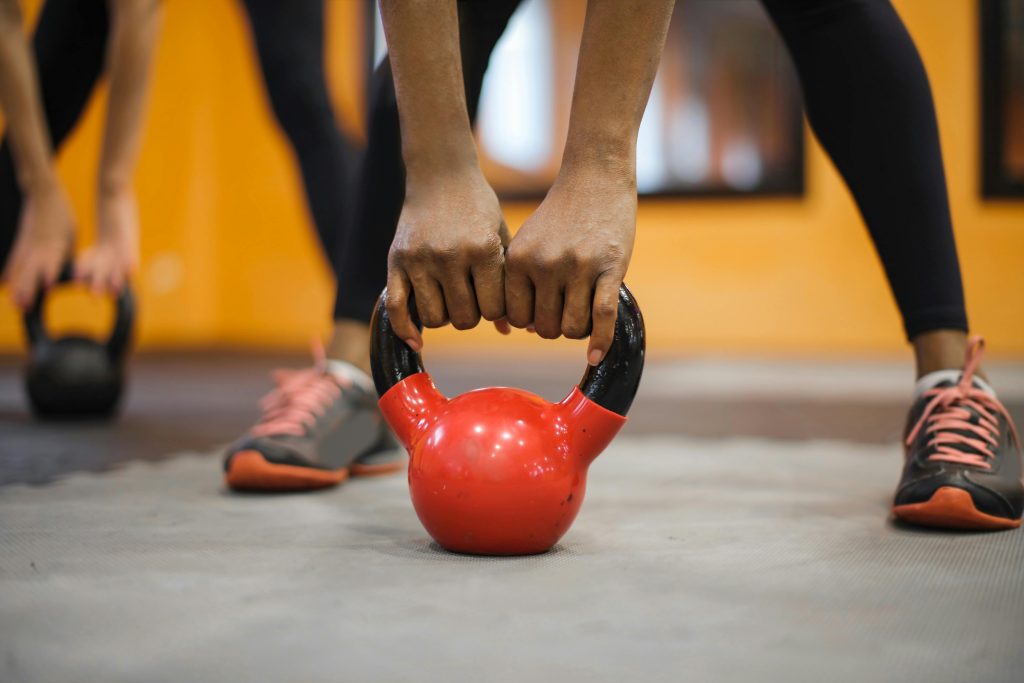
A highly effective exercise for strengthening your hamstrings and glutes with minimal knee impact—ideal for those with knee issues.
How to Do It:
- Start by placing the kettlebell between your feet.
- Lower into a squat position by bending your knees, keeping your spine in a neutral position.
- Grip the kettlebell with both hands.
- Engage your glutes and core as you rise, keeping your arms extended.
- Push through your feet to generate power, allowing the kettlebell to rise naturally rather than lifting it with your arms.
- Lower the kettlebell back to the ground by bending your knees while keeping your arms extended.
- Maintain proper form and complete 12-15 repetitions.
Why It Works:
It strengthens the entire lower body while avoiding excessive knee flexion.
9. Squat Holds
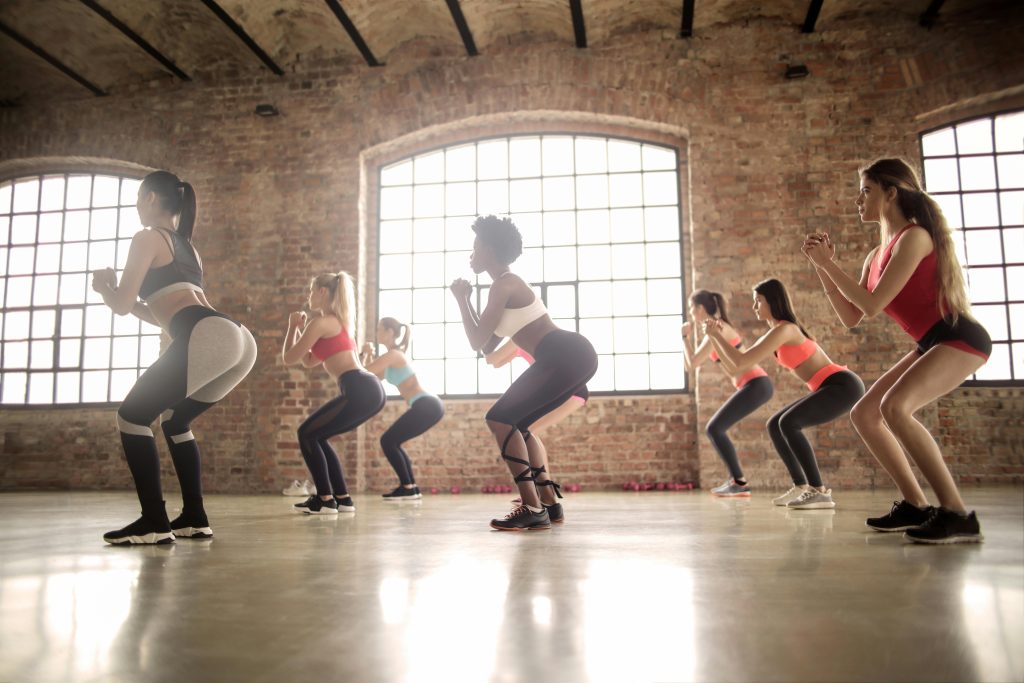
A more challenging isometric exercise than the wall sit. This move engages your leg muscles while minimizing knee impact.
How to Do It:
- Lower into a partial squat position.
- Hold for 10–20 seconds while keeping your core engaged.
- Stand up and repeat.
Why It Works:
It engages leg muscles while minimizing strain on the knees.
10. Step Exercises
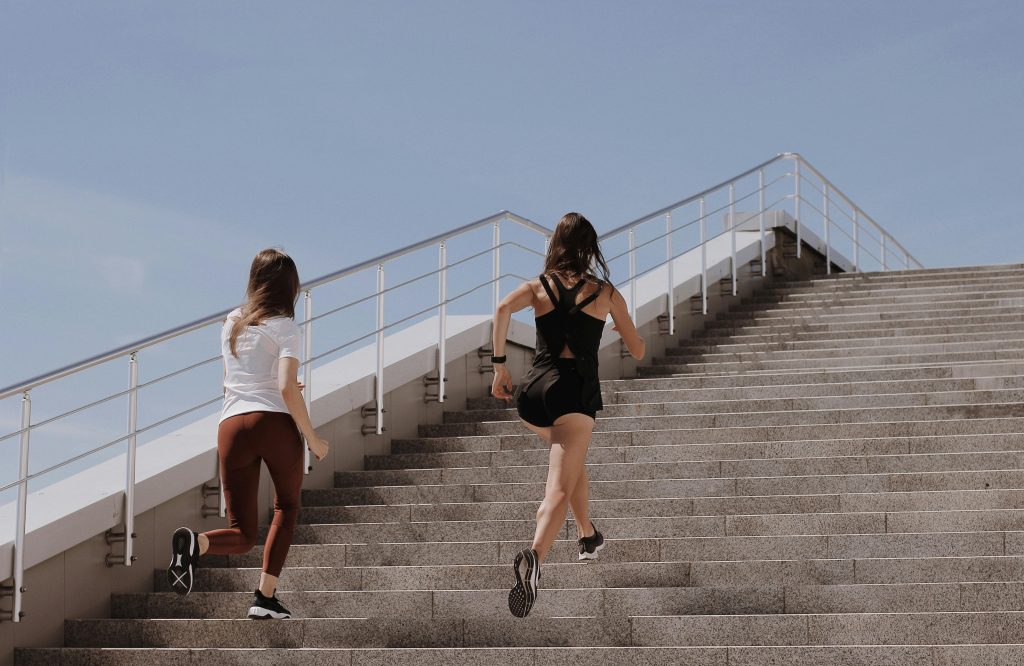 Step movements are an excellent way to improve coordination while keeping things low-impact.
How to Do It:
- Step up and down on a low platform at a comfortable pace.
- Gradually increase speed or height as your strength improves..
Why It Works:
It enhances balance, endurance, and leg strength without excessive knee stress.
Conclusion: Leg Workouts for Bad Knees
You don’t have to let knee pain hold you back from staying active and fit.
By focusing on low-impact, joint-friendly movements, you can strengthen your legs, improve mobility, and reduce knee discomfort.
Try incorporating these 10 leg workouts for bad knees exercises into your routine and modify them as needed.
Start slow, be consistent, and remember—movement is medicine!
Ready to take the next step? Start your knee-friendly leg workout today.
1 Comment