


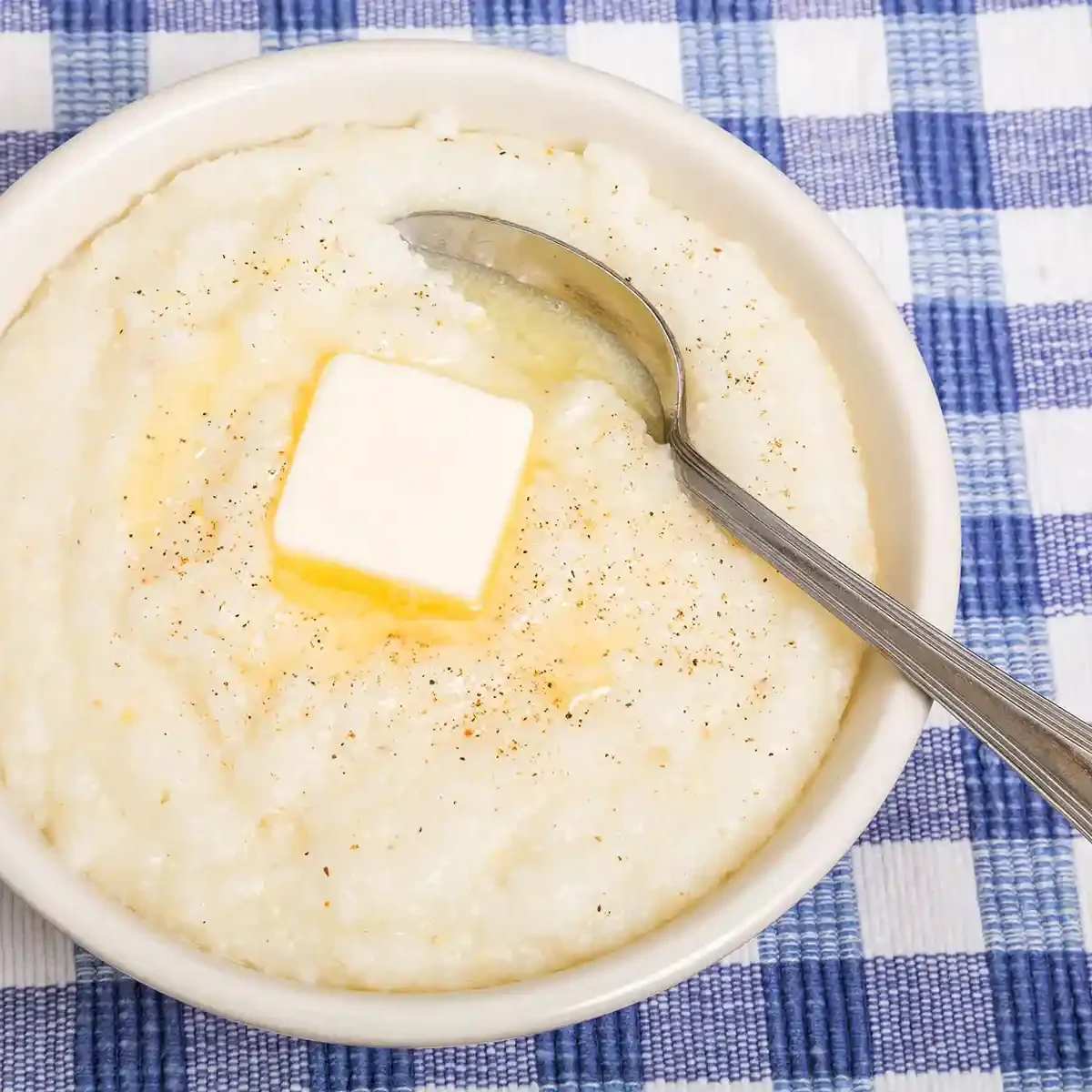
If you’ve ever sat down to a warm bowl of grits and wondered, “Is this good or bad for my cholesterol?” — you’re not alone. I’ve had clients ask this exact question, especially those trying to improve their heart health without giving up comfort foods they grew up with.
Cholesterol management can feel confusing. One day carbs are the enemy. The next day fat is the problem. Somewhere in between, simple foods like grits get caught in the debate.
As a coach, I don’t believe in fear-based nutrition. Instead, I focus on understanding how foods work inside your body — and how your overall lifestyle shapes the outcome. In this article, we’ll break down what grits actually are, how they interact with cholesterol levels, what the science suggests, and how to enjoy them responsibly if they fit your goals.
Let’s look at this calmly, practically, and evidence-first.
What Are Grits, Really?
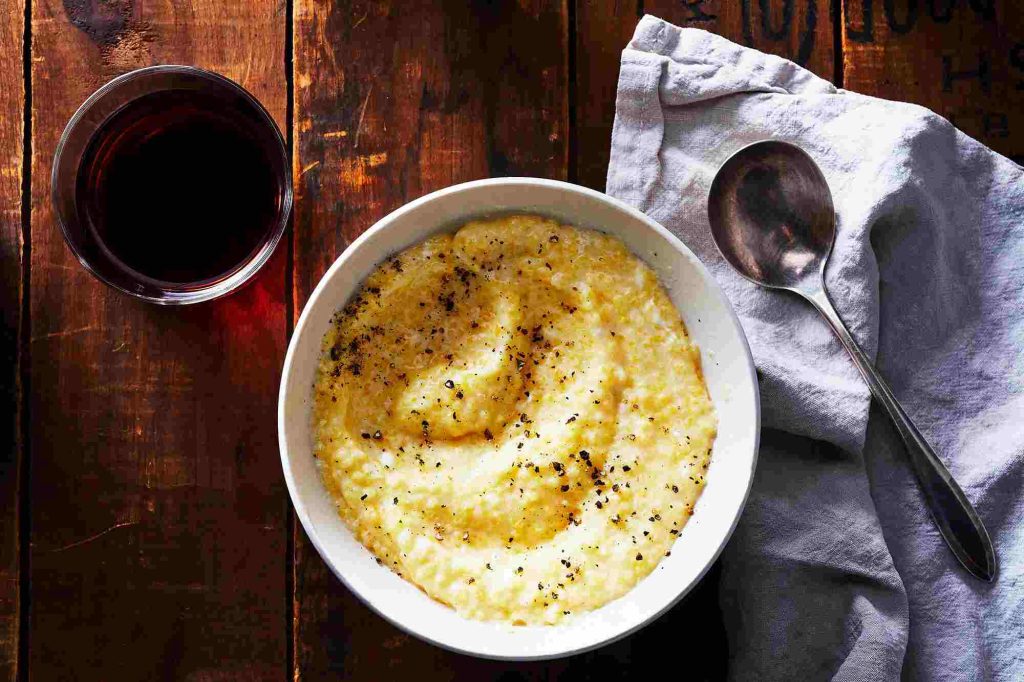
Grits are made from ground corn — typically white or yellow corn — and are a staple in Southern cuisine. They’re similar to polenta but are processed differently and often cooked to a smoother texture.
There are a few main types:
-
Stone-ground grits (less processed, more fiber retained)
-
Regular grits
-
Instant grits (more processed, quicker cooking)
From a nutritional standpoint, plain grits are:
-
Naturally low in fat
-
Cholesterol-free (because they’re plant-based)
-
Primarily a carbohydrate source
-
Relatively low in fiber unless minimally processed
That last point matters more than most people realize.
Understanding Cholesterol: A Quick Reality Check
Before judging any food, it’s important to understand cholesterol itself.
Your body produces cholesterol naturally. It plays a role in hormone production, cell structure, and vitamin D synthesis. The issue isn’t cholesterol existing — it’s imbalance.
When discussing blood lipids, we usually look at:
-
LDL (“bad” cholesterol)
-
HDL (“good” cholesterol)
-
Triglycerides
Food affects these markers in different ways. But no single food acts in isolation. It’s the overall dietary pattern that matters most.
Do Grits Raise Cholesterol?
Here’s the straightforward answer:
Plain grits do not contain cholesterol and do not directly raise LDL cholesterol.
However — and this is important — context changes everything.
1. Grits Are Low in Fat
Since grits contain almost no fat, they do not contribute dietary cholesterol or saturated fat, which are more closely associated with increased LDL levels.
2. They Are High in Carbohydrates
Grits are primarily starch. When consumed in large portions — especially alongside a sedentary lifestyle — refined carbohydrates can contribute to elevated triglycerides in some individuals.
In my experience working with clients who struggle with metabolic health, the issue is rarely the grits themselves. It’s the portion size, preparation method, and what gets added on top.
The Real Issue: What You Add to Grits
This is where cholesterol concerns usually arise.
Classic preparation methods often include:
-
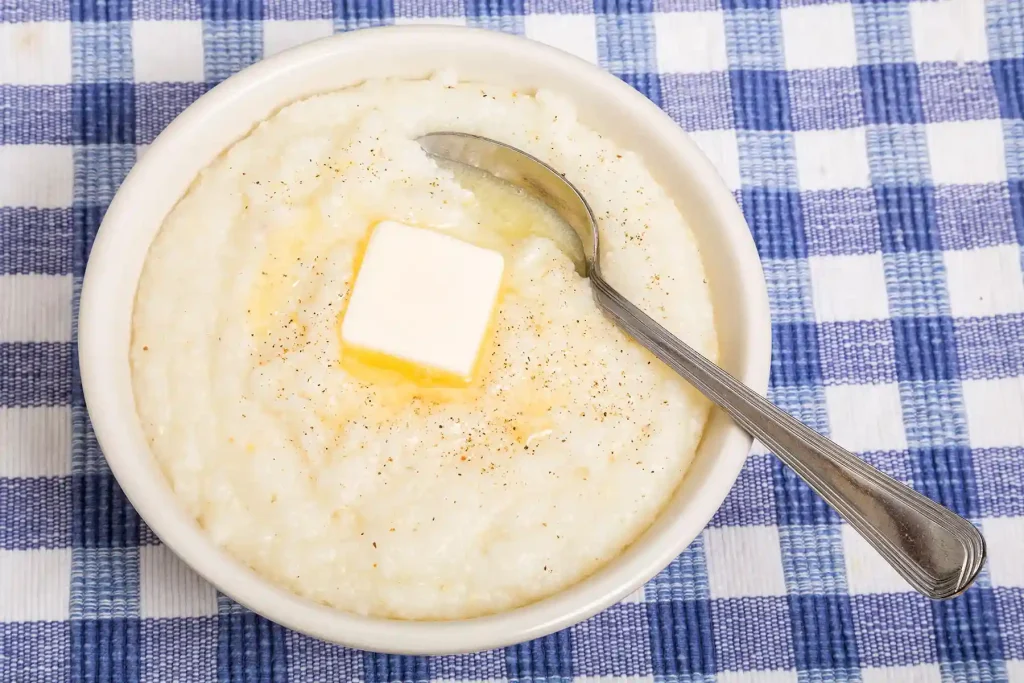
Butter
-
Cheese
-
Cream
-
Processed meats (like bacon or sausage)
These additions introduce saturated fat and excess calories. Over time, consistently high intake of saturated fat may contribute to elevated LDL cholesterol in some individuals.
I’ve seen this pattern repeatedly. Someone says, “I stopped eating grits because of cholesterol,” but when we review their meals, the real contributors were heavy toppings and oversized portions.
The base food isn’t the villain. The overall dietary structure is.
Fiber and Cholesterol: Why Processing Matters
One of the strongest nutrition-based tools for cholesterol management is fiber, especially soluble fiber.
Soluble fiber can help reduce LDL cholesterol by binding to cholesterol particles in the digestive system and removing them from the body.
Here’s the limitation:
-
Instant and highly processed grits are low in fiber.
-
Stone-ground grits retain slightly more fiber.
Even then, grits are not a high-fiber food compared to oats, legumes, or vegetables.
If cholesterol management is your goal, grits should not replace high-fiber staples — but they can exist within a fiber-rich diet.
Glycemic Response and Heart Health
Another consideration is blood sugar response.
Refined carbohydrates can cause rapid blood glucose spikes. Over time, frequent spikes combined with low activity may contribute to insulin resistance. Insulin resistance is associated with higher triglycerides and altered cholesterol ratios.
That doesn’t mean grits are harmful. It means:
-
Portion control matters.
-
Pairing with protein and fiber helps.
-
Active individuals process carbohydrates differently than sedentary individuals.
When I work with clients who train regularly, moderate carbohydrate intake rarely disrupts lipid panels. In inactive individuals with high stress and poor sleep, even moderate refined carb intake can contribute to metabolic imbalance.
It’s rarely about one food.
How to Eat Grits in a Cholesterol-Conscious Way
If you enjoy grits, you don’t have to eliminate them. You just need a smarter structure.
Here’s how I guide clients:
1. Choose Less Processed Versions
Stone-ground grits offer slightly more fiber and a slower digestion rate compared to instant varieties.
2. Watch the Portion
A standard serving is about ½ cup cooked. Many restaurant servings are 2–3 times that.
3. Add Protein
Pairing with eggs (moderate amounts), Greek yogurt, or legumes helps stabilize blood sugar and improves satiety.
4. Add Fiber-Rich Foods
Consider adding:
-
Sautéed vegetables
-
Spinach
-
Mushrooms
-
Black beans
This improves the overall cholesterol-supportive quality of the meal.
5. Limit Saturated Fat Toppings
Instead of heavy butter and cheese, try:
-
Olive oil (in moderation)
-
Herbs and spices
-
Nutritional yeast for flavor
These small changes make a meaningful difference over time.
Who This Is Suitable For — And Who Should Be Cautious
Suitable For:
-
Physically active individuals
-
People with balanced, fiber-rich diets
-
Those without significant lipid abnormalities
-
Individuals practicing portion control
Be Cautious If:
-
You have diagnosed hyperlipidemia
-
You struggle with insulin resistance
-
Your triglycerides are elevated
-
Your diet is already high in refined carbs
-
You rely heavily on high-saturated-fat toppings
If you fall into the cautious category, grits don’t need to be banned — but they should be part of a broader strategy guided by a qualified healthcare professional.
Grits vs. Oatmeal for Cholesterol
A common comparison I get asked about is grits versus oatmeal.
Oats contain beta-glucan, a type of soluble fiber with strong evidence supporting LDL reduction. Grits do not contain comparable levels of this specific fiber.
From a cholesterol-management perspective:
-
Oatmeal has stronger supportive evidence.
-
Grits can still be included but are not a primary cholesterol-lowering food.
This doesn’t make grits unhealthy. It simply means they are neutral rather than actively beneficial for lipid improvement.
The Bigger Picture: Cholesterol Is Lifestyle-Driven
Here’s what I emphasize with every client:
Cholesterol management is influenced by:
-
Overall diet quality
-
Fiber intake
-
Physical activity
-
Sleep
-
Stress levels
-
Body composition
A single food rarely determines your lipid profile. Patterns do.
Grits can be part of a balanced, cholesterol-conscious lifestyle if you:
-
Control portions
-
Prioritize fiber elsewhere
-
Limit saturated fat additions
-
Stay physically active
Long-term health isn’t about eliminating traditional foods. It’s about learning how to structure them intelligently.
Final Thoughts
Grits are not a hidden cholesterol trap. They’re a simple carbohydrate food that becomes problematic only when paired with excessive saturated fat, oversized portions, and a sedentary lifestyle.
If you enjoy them, keep them — but make them part of a broader, fiber-rich, balanced eating pattern.
Sustainable health isn’t built on restriction. It’s built on awareness, consistency, and smart adjustments.