

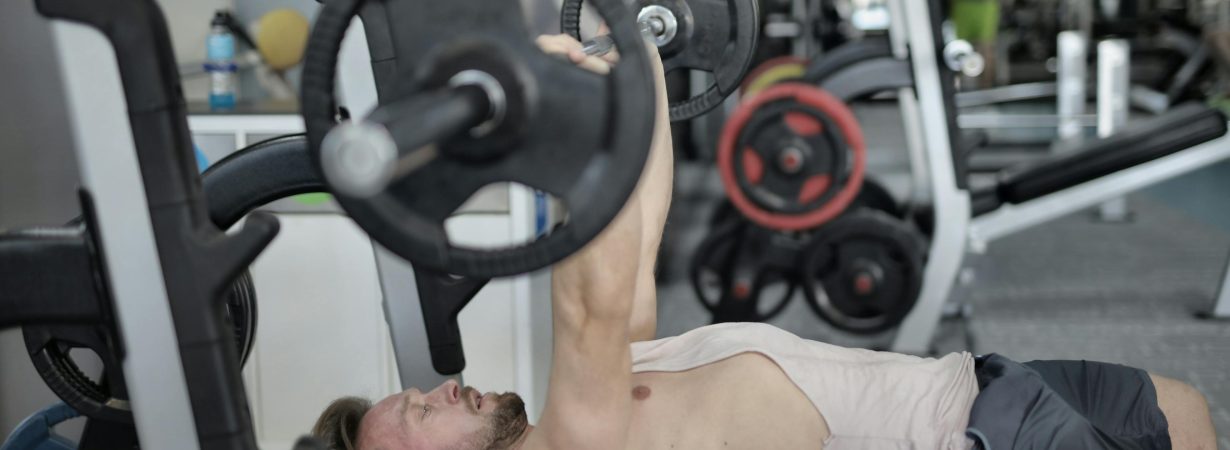
The Best Hypertrophy Arm Workout
-
Ibrahim Ahmed
- . August 18, 2024
Who doesn’t want bigger, stronger arms that look great in any outfit and give you the strength to perform better in the gym? Whether you’re flexing for a selfie or lifting heavy, arm hypertrophy is crucial for both aesthetics and functionality. The journey to well-defined arms often feels frustrating when you’re putting in the work but seeing little growth.
You may have tried countless routines, but without the right strategy focused on hypertrophy, progress remains slow. This guide is designed for you—someone eager to maximize their arm gains by focusing on science-backed principles.
In this article, you’ll uncover the secrets to effective hypertrophy arm workout, learn the anatomy of your arms, and discover how to structure your routine for maximum results. By the end, you’ll be equipped with everything you need to achieve real, lasting arm growth.
Understanding Hypertrophy: The Science Behind Muscle Growth
Understanding hypertrophy is essential for anyone looking to maximize their muscle growth effectively. Hypertrophy refers to the increase in the size of muscle fibers, which occurs as a result of resistance training. The science behind this process involves several key factors, including mechanical tension, metabolic stress, and muscle damage.
Mechanical tension is created when muscles are subjected to heavy loads during exercises such as curls or tricep extensions. This tension stimulates the muscles to adapt and grow stronger over time.
Metabolic stress occurs when muscles are pushed to their limits, leading to a buildup of metabolites like lactate and hydrogen ions. This phenomenon not only contributes to the “pump” feeling during workouts but also signals the body to initiate repair processes that promote growth.
Muscle damage plays a crucial role as well; it happens when you perform eccentric movements—where muscles lengthen under tension—leading to microscopic tears in muscle fibers. The body responds by repairing these tears, resulting in larger and stronger muscles.
Incorporating these principles into your hypertrophy arm workout can lead to significant gains. Focus on compound movements that engage multiple joints and incorporate isolation exercises targeting specific muscle groups for balanced development.
By understanding the science behind hypertrophy, you can tailor your workouts for optimal results and achieve your fitness goals more efficiently.
Anatomy of the Arms: Key Muscles to Target
When designing a hypertrophy arm workout, it’s essential to understand the anatomy of the arms and the key muscles that should be targeted for optimal growth. The primary muscles in the arms include the biceps brachii, triceps brachii, and brachialis.
The biceps consist of the biceps brachii, which includes two heads—the long and short heads—along with the brachialis and brachioradialis. The biceps brachii is responsible for elbow flexion and forearm supination. The brachialis lies underneath the biceps and adds thickness to the arm, while the brachioradialis contributes to forearm size.
The triceps make up the majority of your upper arm’s muscle mass. It includes three heads: the long head, lateral head, and medial head. The long head, which runs down the back of your arm, is the biggest and plays a significant role in overall arm size. The triceps are primarily responsible for elbow extension and stabilizing your shoulder.
While often overlooked, the forearms consist of various small muscles that contribute to grip strength and overall arm appearance. Strengthening these muscles not only enhances the visual appeal but also supports other arm exercises.
When structuring your workout, ensuring a balanced focus on all these muscle groups is critical for achieving symmetry and avoiding muscular imbalances.
Key Principles of Hypertrophy Arm Training
Understanding the key principles is essential for maximizing muscle growth and achieving your fitness goals. Hypertrophy, defined as the increase in muscle size, can be effectively stimulated through a combination of specific training techniques and strategies.
The following are the core principles that should drive your arm training routine:
- Progressive Overload: Your muscles need to face increasing stress over time to continue growing. This principle involves gradually adding weight, increasing reps, or improving form to push your muscles beyond their comfort zone. Without progressive overload, your gains will plateau.
- Mind-Muscle Connection: Focusing on the targeted muscle during each exercise ensures optimal engagement. By consciously contracting your biceps during curls or squeezing your triceps at the peak of an extension, you can enhance the effectiveness of each rep.
- Volume and Frequency: The volume of your training is critical. Studies suggest that a range of 15-20 sets per week for each muscle group is optimal for hypertrophy. Frequency matters too; training your arms twice a week allows for sufficient stimulus while giving enough time for recovery.
- Recovery: Growth happens during rest, not just during training. Ensure you’re getting enough sleep, consuming adequate nutrients, and allowing your arms enough time to recover before hitting them again.
By following these principles, you can build an arm routine that consistently drives growth and keeps your muscles challenged.
The Ultimate Hypertrophy Arm Workout Routine
The Ultimate Hypertrophy Arm Workout Routine is designed to maximize muscle growth and strength in the arms, targeting both the biceps and triceps effectively. This routine incorporates a variety of exercises that stimulate hypertrophy through progressive overload, ensuring that your muscles are challenged with each session.
Workout Structure:
Frequency: 2 days per week
Sets and Reps: 3-4 sets of 8-12 reps for each exercise
Rest Between Sets: 60-90 seconds
Bicep Exercises:

Barbell Curl:
The barbell curl is a staple for building overall bicep mass. Stand with your feet shoulder-width apart, grip the bar with an underhand grip, and curl the weight towards your shoulders while keeping your elbows stationary. Lower the bar slowly, emphasizing the eccentric (lowering) phase to maximize muscle activation.
Incline Dumbbell Curl:
This variation isolates the long head of the biceps, giving your arms a more peaked appearance. Sit on an incline bench with your back fully supported. With your palms facing up, curl the dumbbells towards your shoulders while keeping your elbows fixed. The incline position stretches the biceps, leading to greater muscle engagement.
Concentration Curl:
For intense bicep isolation, the concentration curl is unbeatable. Sit on a bench with your arm resting on the inside of your thigh. Curl the dumbbell up towards your shoulder, focusing on contracting the bicep at the top of the movement. This exercise is great for targeting the biceps’ short head.
Tricep Exercises:

Close-Grip Bench Press:
The close-grip bench press targets the triceps while also engaging the chest and shoulders. Lie on a bench and grip the bar with your hands closer than shoulder-width apart. Lower the bar towards your chest while keeping your elbows close to your sides, then press it back up. This compound lift is excellent for adding overall mass to the triceps.
Tricep Dips:
Bodyweight dips are a versatile exercise that can be made more challenging by adding weight. Place your hands on parallel bars and lower your body by bending your elbows, then press back up by straightening your arms. Dips target the triceps, especially the lateral head, and can be adjusted to focus more on the chest or triceps by changing your torso angle.
Overhead Tricep Extension:
This exercise emphasizes the long head of the triceps. Hold a dumbbell overhead with both hands and slowly lower it behind your head by bending your elbows. Extend your arms back up to the starting position. Performing this exercise with a controlled tempo enhances muscle engagement and reduces the risk of injury.
Forearm Exercises (Optional):

Wrist Curls:
Wrist curls are a simple but effective exercise for building forearm strength. Hold a barbell with an underhand grip, rest your forearms on a bench, and curl the weight using only your wrists.
Reverse Curls:
Reverse curls target both the brachialis and forearms. Hold a barbell with an overhand grip and curl the weight while keeping your elbows stationary. This exercise builds forearm thickness and gives your arms a more balanced look.
Exercise Techniques for Maximum Gains
When it comes to achieving hypertrophy, or muscle growth, an effective arm workout is essential. To maximize gains, it’s important to incorporate a variety of exercise techniques that target both the biceps and triceps.
- Form and Technique: Perfecting your form ensures that you’re targeting the intended muscles and reduces injury risks. Focus on controlling both the lifting (concentric) and lowering (eccentric) phases of each movement.
- Tempo Training: Altering the speed of your reps can significantly impact muscle growth. For hypertrophy, a slower tempo, especially during the eccentric phase, is highly effective. Try a 3-1-3 tempo (3 seconds up, 1 second hold, 3 seconds down) to increase time under tension.
- Drop Sets and Supersets: These advanced techniques can intensify your workout. A drop set involves performing an exercise to failure, then immediately reducing the weight and continuing. Supersets involve performing two exercises back-to-back with minimal rest. Both methods keep your muscles under prolonged stress, encouraging more growth.
Common Mistakes to Avoid During Hypertrophy Arm Workouts
Even with the best workout plan, mistakes can derail your progress. Here are some common pitfalls to watch out for:
- Overtraining the Arms: Many people believe that more is better when it comes to arm training. However, overtraining can lead to injury and hinder muscle growth. Aim for 15-20 sets per week split over two sessions, allowing enough recovery time.
- Ignoring the Importance of Rest: Recovery is where growth happens. Make sure you’re getting 7-9 hours of sleep each night, managing stress, and allowing at least 48 hours of rest before hitting the same muscle group again.
- Poor Nutrition: Even the best workout can be ineffective without proper nutrition. Ensure you’re consuming enough protein, carbohydrates, and healthy fats to fuel muscle growth. Aim for 1.6-2.2 grams of protein per kilogram of body weight daily.
- Inconsistent Training: Progress requires consistency. Missing workouts or not following a structured plan will stall your gains. Stick to your routine and track your progress to make adjustments as needed.

Nutrition and Recovery: Supporting Hypertrophy
Nutrition and recovery play crucial roles in supporting hypertrophy, the process of muscle growth that many fitness enthusiasts strive for. To maximize the benefits of your hypertrophy arm workout, it’s essential to focus on both what you eat and how you allow your body to recover.
First, let’s discuss nutrition. Consuming a balanced diet rich in protein is vital for muscle repair and growth. Aim for a protein intake of around 1.6 to 2.2 grams per kilogram of body weight daily, incorporating sources such as lean meats, dairy products, legumes, and plant-based proteins.
Additionally, carbohydrates are important as they provide the energy needed for intense workouts; complex carbs like whole grains and fruits should be staples in your diet. Don’t forget healthy fats from sources like avocados, nuts, and olive oil to support overall health.
Carbs provide the energy needed for intense workouts, while fats support hormone production, including testosterone, which is vital for muscle growth. Include complex carbs like oats, sweet potatoes, and whole grains, along with healthy fats from avocados, nuts, and olive oil.
Staying hydrated is essential for optimal performance. Dehydration can decrease strength and muscle endurance. Aim for at least 3-4 liters of water daily, especially on training days.
Growth hormone, which aids muscle repair, is released during sleep. Make sure you’re getting 7-9 hours of quality sleep each night. Additionally, manage stress through activities like meditation or light stretching, as chronic stress can interfere with recovery.
Tracking Your Progress and Making Adjustments
Tracking your progress and making adjustments is crucial for maximizing the effectiveness of your hypertrophy arm workout. To ensure that you are continually challenging your muscles and promoting growth, it’s essential to keep a detailed record of your workouts. This includes noting the weights used, the number of sets and repetitions completed, and how you felt during each session.
Regularly reviewing this data allows you to identify patterns in your performance. If you notice that you’re consistently able to complete more reps or lift heavier weights, it may be time to increase the intensity of your workouts. Conversely, if you’re struggling to meet your previous benchmarks, consider adjusting factors such as rest periods or overall workout volume.
Additionally, incorporating variations in exercises can prevent plateaus and stimulate muscle growth. For example, alternating between different types of curls or tricep extensions can target various muscle fibers within the arms. Remember that nutrition also plays a vital role; ensuring adequate protein intake will support recovery and muscle development.
Conclusion: Hypertrophy Arm Workout
Achieving hypertrophy in your arms is not just about hitting the gym randomly—it’s about consistent, strategic training, proper nutrition, and giving your muscles the time they need to recover.
By focusing on the principles of hypertrophy, applying progressive overload, and sticking to a well-structured workout routine, you’re setting yourself up for success. Remember, arm growth is a gradual process, but with dedication and the right plan, you’ll start noticing significant changes.
Stick to the plan, track your progress, and make smart adjustments as needed, and your goal of bigger, stronger arms will soon become a reality.
1 Comment