



Looking for the best exercises for women over 50? Staying active at this stage of life is one of the most effective ways to maintain energy, protect bone health, and improve your overall quality of life. Fitness isn’t just about adding years—it’s about making those years more vibrant and independent.
When you pass 50, your workout routine should focus on maintaining strength, improving balance, and reducing the risk of age-related conditions like osteoporosis, heart disease, and muscle loss. According to experts, a well-rounded exercise plan enhances cardiovascular health, posture, coordination, brain function, and flexibility.
Below are seven essential workouts women over 50 should practice regularly to feel stronger, healthier, and more confident.
1. Brisk Walking for Heart and Metabolic Health
Walking is one of the simplest and most effective exercises for older adults. Studies show that walking after meals can lower blood sugar and improve heart health. It’s also easy to make it enjoyable—walk with a friend, listen to music, or enjoy the outdoors.
To maximize benefits, aim for brisk walking rather than a slow stroll. Try routes with hills or varied terrain to challenge your cardiovascular system and strengthen your leg muscles. Walking at a steady, purposeful pace supports endurance, weight management, and overall mobility.
2. Weight-Bearing Workouts to Strengthen Bones
As women age—especially after menopause—bone density naturally declines, making bone health a top priority. One of the best ways to protect your skeletal system is through weight-bearing exercises, which place gentle stress on the bones and encourage new bone cell growth.
Activities such as brisk hiking, dancing, tennis, or stair climbing are not only enjoyable but also highly effective for maintaining strong, resilient bones.
In addition, incorporating resistance training with dumbbells, kettlebells, or resistance bands can provide a double benefit—building muscle while reinforcing bone strength. Regular practice helps lower the risk of osteoporosis, fractures, and mobility issues, keeping you active and independent.
3. Water Aerobics for Joint-Friendly Fitness
Joint pain can make exercise uncomfortable, but staying active is vital. That’s where aqua workouts come in. Exercising in water provides natural resistance while reducing the impact on your joints.
Swimming, water aerobics, or aqua jogging can improve strength, flexibility, and cardiovascular health. Warm water also promotes joint mobility, easing stiffness and making everyday movements feel smoother. Adding tools like water dumbbells or flotation belts can make your workout more fun and effective.
4. Cycling to Support Brain and Body Health
Cycling is another low-impact exercise that offers major benefits for both the body and brain. Research indicates that even 20 minutes of cycling can stimulate the hippocampus—the part of the brain that manages memory, learning, and problem-solving. This makes it an excellent choice for maintaining cognitive health after 50.
Physically, cycling improves cardiovascular endurance, strengthens the lower body, and burns calories without stressing your joints. Outdoor cycling also allows you to connect with nature, which can reduce stress and enhance overall well-being.
If traditional biking feels intimidating, electric bikes (e-bikes) are a great alternative. They allow you to ride longer distances, tackle hills more easily, and stay active without overexertion. Whether you cycle outdoors or use a stationary bike indoors, consistency matters more than intensity.
Experts suggest aiming for 20–40 minutes, three times a week. Over time, you’ll see improved stamina, stronger legs, and sharper mental focus.
5. Resistance Training to Maintain Muscle Strength
After 50, muscle loss (sarcopenia) becomes more common, increasing the risk of falls and reduced mobility. Strength training is the most effective way to combat this. Using dumbbells, kettlebells, or even bodyweight exercises helps preserve muscle mass and functionality.
Focus on functional strength exercises such as:
-
Squats – improve your ability to sit and stand with ease
-
Deadlifts – strengthen the movement pattern for picking things up
-
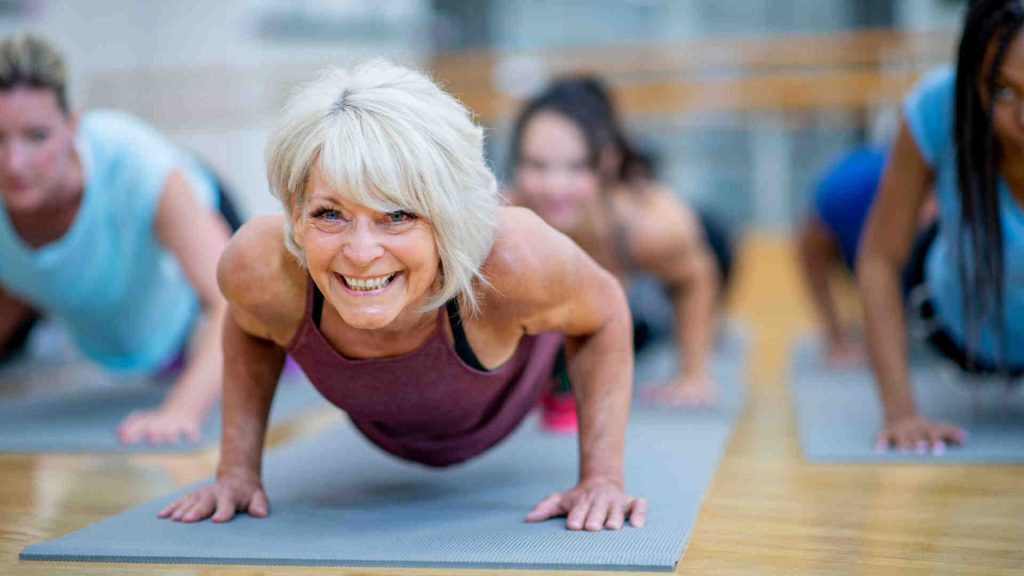
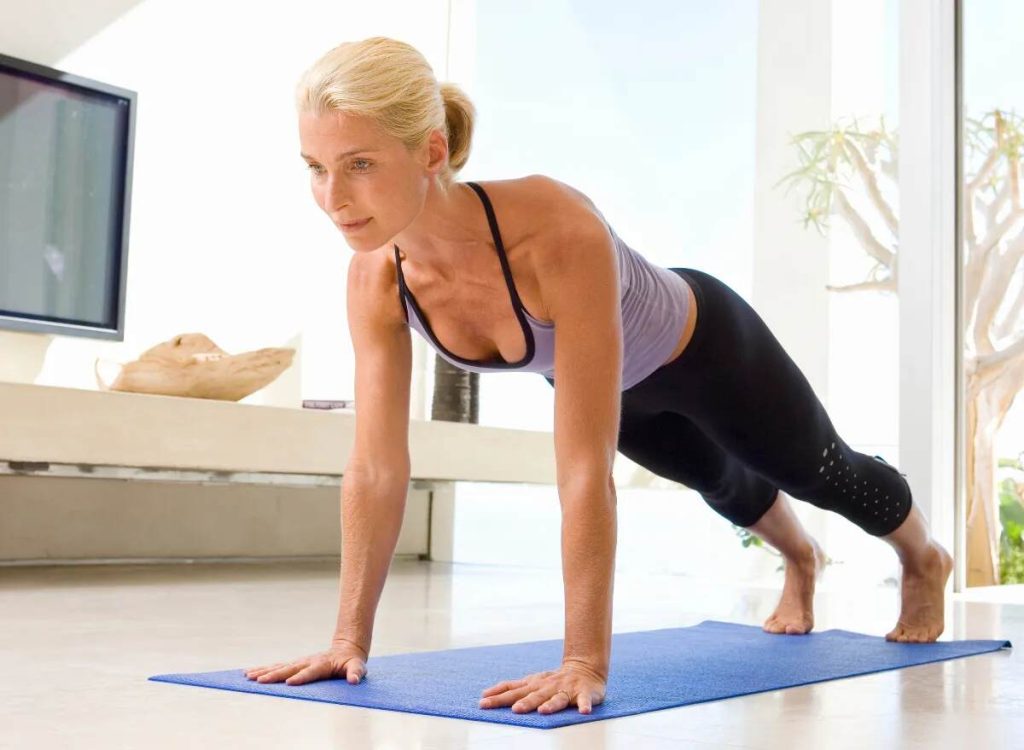
Pushups (or modified pushups) – build pushing strength for daily activities
Incorporating two to three strength workouts per week will keep your body strong, capable, and independent.
6. Yoga for Flexibility, Balance, and Mind-Body Wellness
Yoga goes beyond simple stretching—it strengthens your body while calming your mind. For women over 50, it’s especially valuable because it enhances flexibility, balance, and joint mobility, reducing the risk of falls and stiffness.
Research also links yoga to improved lower-body stability and stress relief. You don’t need advanced poses to see results—gentle flows or beginner classes are enough to feel stronger, more limber, and more relaxed.
Its low-impact nature makes yoga safe, sustainable, and enjoyable, helping you stay active and confident in both body and mind as you age gracefully.
7. Pilates to Improve Core Strength and Posture
Pilates is another excellent low-impact workout that focuses on building core strength, stability, and posture. For women over 50, a strong core reduces the risk of back pain, supports balance, and improves everyday movements.
Pilates movements emphasize controlled breathing, alignment, and muscle engagement. Over time, this can improve flexibility, prevent injuries, and even help with better posture.
Whether practiced on a mat or with specialized equipment, Pilates is a versatile option that complements yoga and resistance training beautifully.
Final Thoughts on Fitness for Women Over 50
Exercise after 50 doesn’t need to be complicated. The best workouts for women in this age group are those that combine strength training, cardiovascular fitness, flexibility, and balance work.
By adding brisk walking, weight-bearing exercises, resistance training, yoga, cycling, Pilates, or water workouts into your weekly routine, you can protect your heart, strengthen your bones, maintain muscle, and support mental clarity.
Remember: it’s never too late to start. Even small, consistent changes in your fitness routine can help you age with strength, confidence, and vitality.