


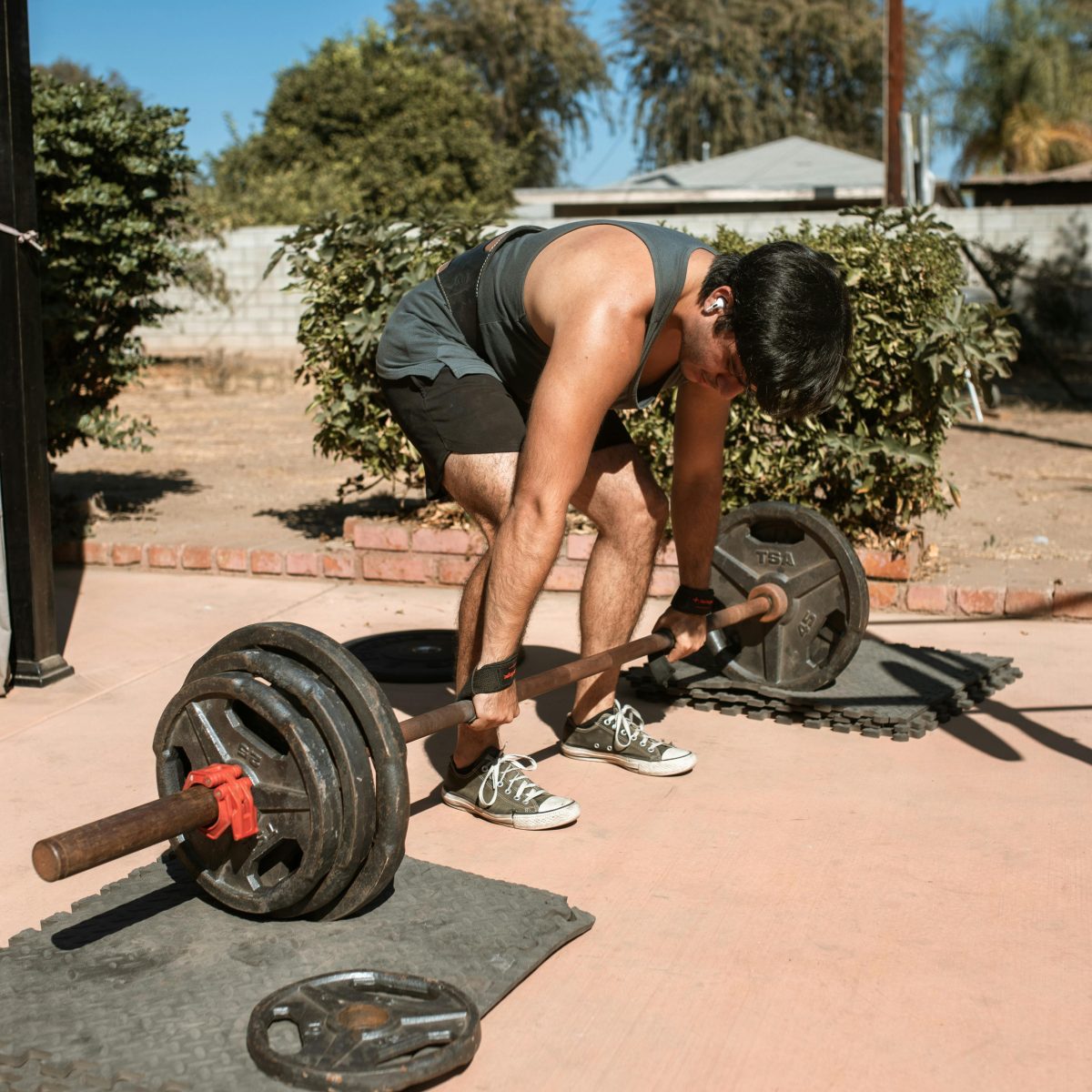
Combining leg and arm exercises is the perfect way to build strength, symmetry, and power for a complete body transformation. Whether you’re a gym enthusiast or just starting your fitness journey, achieving toned legs and strong arms can boost your confidence and enhance your overall performance.
Achieve your fitness goals with this leg and arm workout guide, featuring powerful exercises to build strength, balance, and symmetry. In this guide, we’ll explore powerful leg and arm workouts designed to help you achieve your fitness goals.
For those seeking a balanced workout routine that strengthens both their upper and lower body, the leg and arm workout is an ideal approach. Many people struggle to develop muscle mass or experience uneven growth because they focus on only one part of their body—neglecting either their legs or their arms. This guide will help address those pain points by teaching you how to effectively train both body parts in a single routine, delivering visible and functional results.
Let’s dive in.
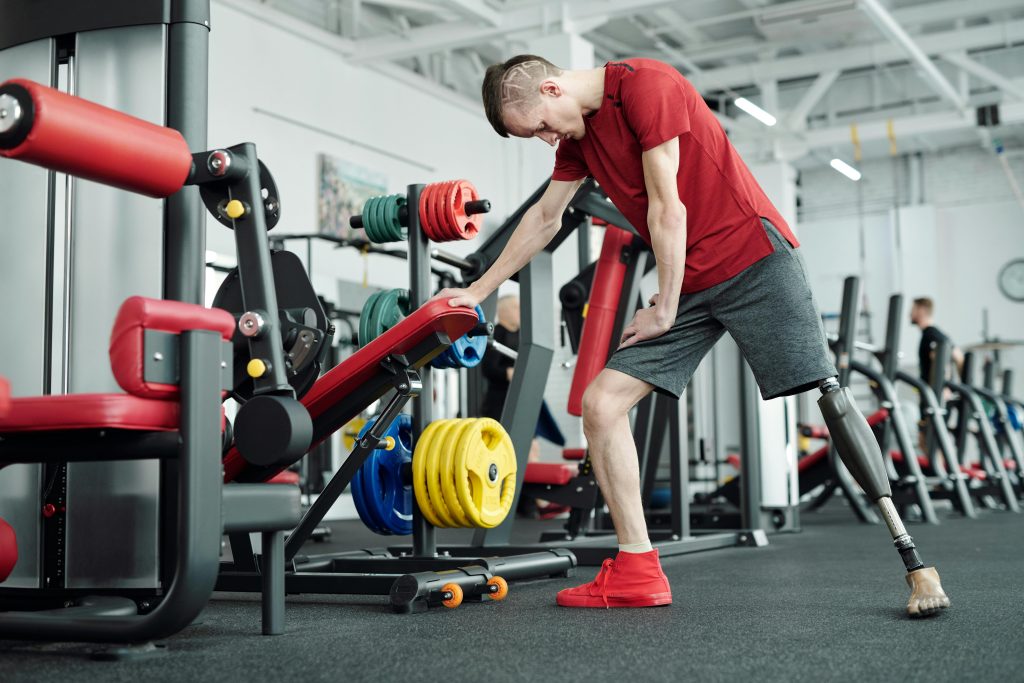
Benefits of Combining Leg and Arm Workouts
Combining leg and arm workouts isn’t just about aesthetics—it’s about creating a balanced, functional body that performs well in daily activities. Incorporating both into your weekly workout schedule has many advantages. Let’s explore the key benefits:
1. Muscle Symmetry and Balance
Balanced training ensures you’re not overdeveloping one part of your body while neglecting another. Overdeveloped arms with underdeveloped legs can lead to imbalances that affect posture and performance. The same is true in reverse—strong legs without equal attention to your upper body can make you prone to injury.
Working both legs and arms helps prevent muscle imbalances that can lead to poor posture, injuries, and performance issues. For example, strong legs support your upper body during activities like lifting, running, or jumping, while powerful arms enhance your ability to push, pull, and carry.
2. Enhanced Caloric Burn
Leg and arm workouts often involve compound movements that engage multiple muscle groups simultaneously. This type of training increases your heart rate, burns more calories, and boosts your metabolism. Exercises like squats, lunges, and push-ups can torch calories faster than isolation exercises, making them perfect for those looking to lose weight or tone up quickly. When you train both your upper and lower body in the same workout, you’re essentially getting more bang for your buck in terms of calorie expenditure.
3. Improved Functional Strength
Functional strength refers to the power needed to perform everyday tasks efficiently. Incorporating leg and arm exercises can improve your overall physical capabilities, making activities like climbing stairs, carrying groceries, or playing sports easier.
The stronger your legs and arms, the more effortless these daily tasks become, enhancing your overall quality of life. This also translates to better performance in sports, as athletes who excel in activities like sprinting, jumping, and throwing often rely on a balance of strong legs and powerful arms.
4. Increased Workout Efficiency
For those with busy schedules, combining leg and arm workouts can increase workout efficiency. Instead of splitting your routine across multiple days—one for legs, one for arms—you can target both muscle groups in a single session. This allows you to get in and out of the gym faster while still achieving excellent results. You’ll save time while ensuring you’re not missing out on important muscle groups.
5. Cardiovascular Health and Endurance
Incorporating compound exercises like lunges, squats, and push-ups into your routine not only builds muscle but also boosts cardiovascular endurance. These movements require the coordination of different muscle groups, forcing your heart to work harder to pump blood throughout your body. Over time, this helps improve your cardiovascular health and increases your stamina, making you fitter both in and outside the gym.
How to Structure a Leg and Arm Workout Routine
Creating an effective leg and arm workout plan starts with understanding how to structure your sessions. If you’re new to combining these exercises or want to revamp your current routine, here’s a step-by-step guide to help you plan efficiently:
1. Weekly Volume Overview
A well-balanced routine targets all the major muscle groups, ensuring your legs and arms are equally trained:
- Quadriceps: Aim for 16 total work sets per week. These are your front thigh muscles and are essential for leg strength.
- Hamstrings: Include 14 sets to ensure balanced leg strength and reduce injury risks.
- Biceps and Triceps: Each should get around 8 sets per week. These are the muscles in your upper arms responsible for pushing and pulling movements.
2. Repetitions and Sets
The number of repetitions (reps) and sets will vary depending on your fitness goals. If you’re aiming for strength, keep your rep range between 6-8 with heavier weights. For muscle growth (hypertrophy), aim for 8-12 reps with moderate weight. For endurance, choose lighter weights and increase the reps to 15-20.
3. Rest and Recovery
Rest is as important as the workouts themselves. To maximize results, allow each muscle group at least 48 hours of recovery between sessions. This downtime is crucial for muscle repair and growth, preventing burnout and reducing the risk of injuries. Additionally, proper sleep and nutrition play vital roles in ensuring your muscles recover effectively.
Effective Leg Workouts
To build strong and well-defined legs, it’s essential to include a mix of compound and isolation exercises that target all major muscle groups in your lower body. This approach not only improves strength but also enhances overall muscle definition, balance, and mobility. Below are some of the most effective leg workouts you can incorporate into your routine for optimal results:
1. Squatting Lifts
Squats are often regarded as the king of leg exercises because they engage multiple muscle groups, including the quadriceps, hamstrings, glutes, and lower back. They also activate your core, helping you develop overall stability and strength. To perform squats correctly, start by positioning your feet shoulder-width apart.
Lower your hips back and down as if you are sitting in a chair, ensuring that your knees track over your toes. Maintain an upright chest and a neutral spine. Once you reach a comfortable depth, push through your heels to return to the starting position. You can add variety to your squats by incorporating different variations, such as front squats, goblet squats, or sumo squats.
Each variation targets your muscles slightly differently, making them great for comprehensive leg development. Aim for 4 sets of 8-12 reps, adjusting weights to match your fitness level.
2. Bulgarian Split Squat
The Bulgarian split squat is a unilateral exercise that targets each leg individually, allowing you to correct muscle imbalances and improve balance. This movement primarily targets the quadriceps, glutes, and hamstrings, making it one of the most effective lower-body exercises.
To perform this exercise, position one foot behind you on a bench or elevated surface and step forward with the other foot. Lower your body by bending the front knee, keeping your torso upright and your core engaged. Push through the heel of your front foot to return to the starting position. This exercise requires balance and coordination, which also engages your core muscles. To increase difficulty, hold dumbbells in each hand.
Perform 3 sets of 8-10 reps per leg, ensuring proper form and control throughout each rep. This exercise not only builds strength but also enhances stability and mobility in your hips and knees.
3. Stiff Leg Deadlift
The stiff leg deadlift is an excellent exercise for targeting the posterior chain, including the hamstrings, glutes, and lower back. This movement focuses on hip hinging, which is essential for developing strong and flexible hamstrings. To perform this exercise, stand with your feet hip-width apart, holding a barbell or dumbbells in front of you. Keeping your back straight and shoulders pulled back, hinge at the hips and lower the weights toward your feet, maintaining a slight bend in your knees.
The goal is to feel a stretch in your hamstrings without rounding your back. Return to the starting position by driving your hips forward and squeezing your glutes at the top. This exercise not only improves leg strength but also enhances your overall posture and functional mobility. Complete 4 sets of 6-8 reps, focusing on maintaining a controlled motion and engaging your hamstrings and glutes throughout the movement.
4. Walking Lunges
Walking lunges are another fantastic exercise that targets multiple muscle groups, including the quadriceps, hamstrings, glutes, and calves. This movement also challenges your balance and coordination, making it an excellent addition to any leg workout. To perform walking lunges, take a step forward with one leg and lower your hips until both knees are bent at 90 degrees. Push off your front heel to bring your back leg forward into the next lunge.
Continue alternating legs as you move forward. Adding weights or varying your lunges (such as lateral lunges or reverse lunges) can increase the intensity and target different areas of your lower body. Perform 4 sets of 10-12 reps per leg, maintaining good form and focusing on engaging your muscles rather than rushing through the movements.
5. Leg Press
The leg press machine is a great tool for building leg strength, particularly for those who may struggle with traditional squats due to mobility or balance issues. It targets the quadriceps, hamstrings, and glutes and allows you to lift heavier weights with a reduced risk of injury. To perform the leg press, sit on the machine with your feet shoulder-width apart on the platform. Lower the platform toward you by bending your knees, then push it back up by extending your legs.
Be sure not to lock your knees at the top of the movement to maintain tension in your muscles. Varying your foot placement on the platform can shift the emphasis to different parts of your legs, such as the inner thighs or glutes. Aim for 4 sets of 10-12 reps, adjusting the weight as needed to challenge your muscles effectively.
Effective Arm Workouts
Developing strong, defined arms requires a combination of exercises that target both the biceps and triceps. Including a mix of compound and isolation movements in your routine will help you achieve balanced arm development, improved upper-body strength, and enhanced functionality in everyday tasks. Below are some effective arm workouts to help you build muscle and strength:
1. Weighted Dip
Dips are a compound movement that effectively targets the triceps, chest, and shoulders, making them a cornerstone exercise for arm development. To perform dips, use parallel bars and lower your body by bending your elbows until your upper arms are parallel to the ground. Push back up to the starting position, fully extending your arms at the top.
For added resistance, you can use a dip belt with weights or hold a dumbbell between your legs. Dips are particularly beneficial because they work multiple muscle groups simultaneously, enhancing your overall upper body strength. Aim for 4 sets of 8-10 reps, focusing on form and range of motion to maximize tricep engagement.
2. Skullcrushers
Skullcrushers are a tricep isolation exercise that allows you to target the muscle directly, enhancing the back of your arm’s definition and strength. This exercise can be performed using a barbell, dumbbells, or an EZ curl bar. To do skullcrushers, lie on a bench with your arms extended above your chest, holding the weights. Slowly lower the weights toward your forehead by bending your elbows, keeping your upper arms stationary.
Extend your arms back to the starting position, focusing on squeezing the triceps at the top. This exercise is excellent for building tricep mass and strength, as it effectively isolates the muscle, reducing assistance from other muscles. Complete 4 sets of 12-15 reps, gradually increasing the weight as your triceps become stronger.
3. Incline Dumbbell Hammer Curl
The incline dumbbell hammer curl targets the brachialis and biceps, helping to add size and width to your upper arms. This exercise emphasizes the muscles on the outside of the arm, contributing to overall arm thickness. To perform this exercise, sit on an incline bench with your arms hanging down and your palms facing your torso.
Curl the dumbbells up while keeping your elbows close to your body, then slowly lower them back down to the starting position. Unlike standard bicep curls, hammer curls also engage the forearm muscles, improving grip strength. This variation is particularly effective for building arm mass and enhancing the definition of the biceps and forearms. Perform 4 sets of 12-15 reps, ensuring a controlled movement throughout each repetition.
4. Barbell Curl
The barbell curl is one of the most effective exercises for targeting the biceps and building upper arm strength. It allows you to lift heavier weights compared to dumbbell curls, promoting greater muscle growth.
To perform the barbell curl, stand with your feet shoulder-width apart and hold a barbell with an underhand grip, palms facing up. Keep your elbows close to your torso and curl the barbell up toward your chest. Squeeze your biceps at the top of the movement, then slowly lower the bar back down.
Barbell curls are a staple in any arm routine, as they provide significant tension on the biceps, encouraging both strength and hypertrophy. Complete 4 sets of 8-12 reps, adjusting the weight as needed.
5. Close-Grip Bench Press
The close-grip bench press is a compound exercise that targets the triceps while also engaging the chest and shoulders. This variation of the standard bench press allows for greater emphasis on the triceps, making it a powerful movement for arm development. To perform the close-grip bench press, lie on a bench and hold the barbell with your hands positioned closer than shoulder-width apart. Lower the bar to your chest, then press it back up by extending your arms. Keep your elbows close to your body to maintain tricep activation.
This exercise helps build both strength and muscle mass in the triceps, contributing to well-rounded arm development. Aim for 4 sets of 8-10 reps, focusing on maintaining control and form throughout each rep.
Sample Leg and Arm Workout Plan
To get started, here’s a sample two-day workout plan focusing on legs and arms:
Day 1 – Compound Movements for Strength
- Eccentric-Accentuated Back Squat: 5 sets of 6-8 reps.
- Machine Preacher Curl: 4 sets of 8-10 reps.
- Bulgarian Split Squat: 3 sets of 8-10 reps per leg.
- Weighted Dip: 4 sets of 8-10 reps.
Day 2 – Isolation and Volume for Growth
- Stiff Leg Deadlift: 5 sets of 6-8 reps.
- Lying Hamstring Curl: 5 sets of 10-15 reps.
- Incline Dumbbell Hammer Curl: 4 sets of 12-15 reps.
- Skullcrushers: 4 sets of 12-15 reps.
Tips for Maximizing Your Leg and Arm Workouts
Proper Form is Key
Focusing on form prevents injuries and ensures you’re working the targeted muscles correctly. Always use a full range of motion, maintain control, and avoid excessive weights that can lead to poor form.
Progressive Overload
To continue making gains, progressively increase the weight, reps, or sets over time. This principle, known as progressive overload, is essential for muscle growth and strength improvements.
Incorporate Variation
Change up your exercises regularly to keep your muscles guessing and avoid plateaus. Try different variations of squats, lunges, curls, and presses to maintain engagement and challenge different muscle fibers.
Listen to Your Body
Pay attention to your body’s signals. If you feel pain (not just muscle fatigue), it’s a sign that something isn’t right. Adjust your form, reduce weight, or take a rest day if needed.
Stay Consistent
Consistency is the most critical factor in achieving your fitness goals. Regularly following your leg and arm workout routine, combined with a balanced diet and sufficient rest, will yield the best results over time.
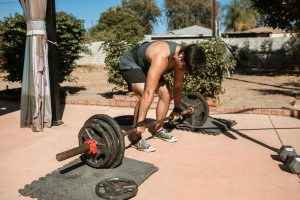
Conclusion: Leg and Arm Workout
A well-rounded leg and arm workout plan can revolutionize your fitness journey, offering improved strength, symmetry, and performance. By integrating compound movements, focusing on proper form, and maintaining a balanced routine, you can effectively target both major muscle groups for a complete body transformation. Keep challenging yourself, stay consistent, and watch as your efforts pay off with stronger legs and arms that support your overall health and fitness goals.
1 Comment