


Your heart is the most vital organ in your body, responsible for keeping every cell nourished and thriving. Yet, in today’s fast-paced world, heart health is often overlooked, leading to serious consequences such as heart disease.
Many people think it’s too late or too difficult to improve their heart’s condition, but the truth is, small changes in your daily habits can create a significant positive impact. In this article, we’ll guide you through 10 ways to keep your heart healthy.
With these tips, you’ll strengthen your heart and pave the way for a healthier life.

1. Know Your Blood Pressure (and Keep It in Check)
High blood pressure is known as the “silent killer” because it often shows no symptoms until it’s too late. It puts tremendous strain on your arteries, forcing your heart to work harder than necessary. Over time, this can lead to heart attacks, strokes, or kidney problems.
To keep your heart healthy, it’s essential to monitor your blood pressure regularly. Ideally, you should aim for a reading of 120/80 mm Hg. You can easily check your blood pressure at home with a digital monitor or have it checked during routine medical visits.
If your numbers are higher than normal, work with your healthcare provider to find solutions. Reducing your salt intake, increasing your physical activity, and managing stress levels can help lower your blood pressure naturally.
2. Manage Your Cholesterol Levels
Cholesterol plays a key role in your body, but too much of the wrong type can be harmful. When there’s too much LDL (bad cholesterol) in your bloodstream, it can build up in your artery walls, forming plaques that block blood flow to your heart and brain. This raises the risk of heart disease and stroke.
To maintain healthy cholesterol levels, focus on consuming heart-friendly foods such as fatty fish, nuts, seeds, and olive oil. These foods increase HDL (good cholesterol), which helps remove LDL from your bloodstream.
Avoid trans fats, commonly found in processed foods and baked goods, as they raise LDL levels. Incorporating foods like oats, flaxseeds, and fiber-rich vegetables can naturally lower your cholesterol levels.
3. Stop Smoking
Smoking is one of the leading causes of heart disease. The chemicals in cigarettes damage the lining of your arteries, leading to a buildup of plaque. This narrows the arteries and reduces the amount of oxygen-rich blood that flows to your heart, increasing the risk of heart attack and stroke.
Quitting smoking can dramatically improve your heart health. In fact, the benefits start just 20 minutes after your last cigarette, as your heart rate and blood pressure begin to normalize. After one year of quitting, your risk of heart disease drops by half.
Seek support through smoking cessation programs or nicotine replacement therapies. Many apps, support groups, and online tools can help you on your journey to becoming smoke-free.
4. Exercise Regularly
Exercise is one of the best ways to keep your heart in tip-top shape. Regular physical activity strengthens your heart muscle, improves blood circulation, and helps maintain healthy blood pressure. It can also lower your cholesterol levels and help you maintain a healthy weight, which are both crucial for heart health.
The American Heart Association recommends at least 150 minutes of moderate exercise per week. This could include activities like brisk walking, swimming, or cycling. If you’re short on time, you can break your exercise routine into 10-minute intervals throughout the day.
Find physical activities that you enjoy, whether it’s dancing, hiking, or playing a sport. You’re more likely to stick with an exercise routine if it’s something you look forward to.
5. Maintain a Healthy Weight
Carrying extra weight, especially around your midsection, can significantly increase your risk of heart disease. Excess fat, particularly visceral fat (the fat around your organs), increases inflammation in the body, leading to high blood pressure, diabetes, and higher cholesterol levels.
Maintaining a healthy weight is key to keeping your heart strong and resilient. A balanced diet, rich in fruits, vegetables, lean proteins, and whole grains, can help you shed extra pounds. Coupled with regular physical activity, it’s the most effective way to reach and maintain your ideal weight.
Tracking your daily calorie intake and ensuring portion control can be highly beneficial for weight management. Small changes like choosing water over sugary drinks or opting for smaller portions can make a big difference over time.
6. Limit Alcohol Consumption
While moderate alcohol consumption can have some benefits, excessive drinking can do more harm than good. Drinking too much alcohol raises your blood pressure, contributes to weight gain, and increases the risk of heart failure and stroke.
Moderation is key. For heart health, it’s recommended that women stick to one drink per day and men to two drinks per day. If you find it difficult to moderate your alcohol intake, try setting alcohol-free days during the week.
If you enjoy the social aspect of drinking, opt for non-alcoholic beverages like sparkling water with a splash of fruit juice. It’s refreshing and good for your heart!
7. Get Enough Sleep
Sleep is more than just a time to rest—it’s a critical part of maintaining a healthy heart. Poor sleep patterns, such as getting less than 6 hours of sleep per night, have been linked to a greater risk of heart disease. Lack of sleep can lead to high blood pressure, inflammation, and weight gain.
To keep your heart healthy, aim for 7-9 hours of sleep per night. If you struggle with sleep, create a relaxing bedtime routine and make your sleeping environment as comfortable as possible. Avoid screens before bed and make your bedroom a calm, quiet, and dark space. Sticking to a regular sleep schedule, even on weekends, can help regulate your body’s internal clock and improve the quality of your sleep.
8. Manage Stress Effectively
Stress, particularly chronic stress, is a major contributor to heart problems. When you’re stressed, your body releases hormones like cortisol, which increases blood pressure and puts strain on your heart. Over time, unmanaged stress can lead to unhealthy habits like overeating, smoking, or excessive drinking, which further increase the risk of heart disease.
Finding healthy ways to cope with stress is essential for protecting your heart. Techniques such as meditation, deep breathing, yoga, or even spending time with loved ones can help you relax and keep stress in check.
Taking breaks throughout your day to practice mindfulness or engage in activities you enjoy can significantly lower stress levels and improve heart health.
9. Stay on Top of Regular Health Checkups
Preventive care is one of the best ways to catch potential heart problems before they become serious. By visiting your doctor regularly, you can monitor key indicators of heart health, including cholesterol, blood pressure, and glucose levels.
Annual checkups are essential, even if you feel fine. Your doctor can spot risk factors early and provide advice tailored to your specific health needs. Regular screenings can also detect conditions like diabetes, which can increase your risk of heart disease.
Set reminders for annual physicals and health screenings. If you have a family history of heart disease, be proactive and get tested even earlier.
10. Eat a Heart-Healthy Diet
What you eat plays a crucial role in your heart health. A heart-healthy diet focuses on foods rich in nutrients like fruits, vegetables, whole grains, lean proteins, and healthy fats. These foods provide essential vitamins and minerals that support heart function and reduce the risk of heart disease.
Avoid foods high in saturated fats, trans fats, and added sugars. These foods can lead to high cholesterol, weight gain, and increased blood pressure. Instead, choose meals packed with fiber, antioxidants, and omega-3 fatty acids, which protect your heart and improve circulation. Incorporate foods like leafy greens, berries, avocados, nuts, and fish into your meals for maximum heart benefits.
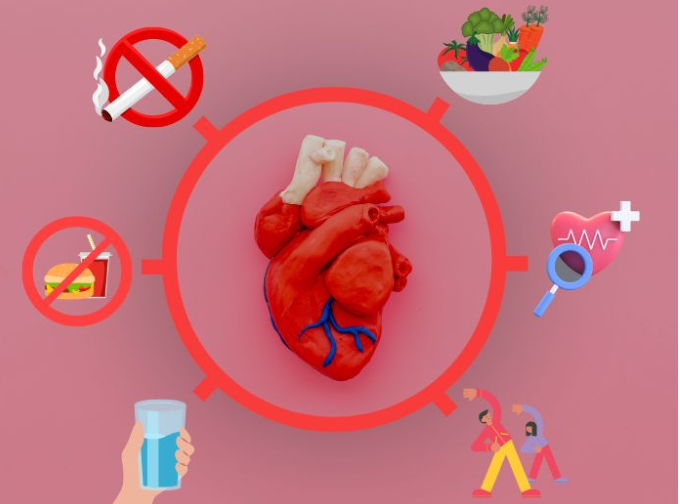
Your heart is the engine that keeps you moving, and taking care of it is essential for a long, healthy life. By incorporating these 10 proven ways to keep your heart healthy, you’re not only protecting yourself from heart disease but also improving your overall quality of life. Small changes, like managing your blood pressure, exercising regularly, and eating a heart-friendly diet, can make a world of difference.
Take action today and start with just one or two habits. Whether it’s getting more sleep or quitting smoking, every step you take brings you closer to a stronger, healthier heart. Your future self will thank you for it.
4 Comments