


Discover how nutrient-rich foods can support healthy testosterone levels without supplements.
When you think about testosterone, chances are you imagine supplements, intense training, or even hormone therapy. But the truth is, your diet plays an equally critical role. What you eat daily has the power to influence hormone health, energy, and overall well-being.
While no single ingredient acts as a “magic testosterone booster,” certain foods supply key nutrients that help your body create and regulate this vital hormone.
Instead of relying solely on red meat and eggs, let’s explore dietitian-approved foods that are often overlooked yet scientifically linked to hormone balance. From tart cherries to Brazil nuts, these nutrient-packed choices can give your body the natural support it needs.
What Nutrients Help Boost Testosterone?
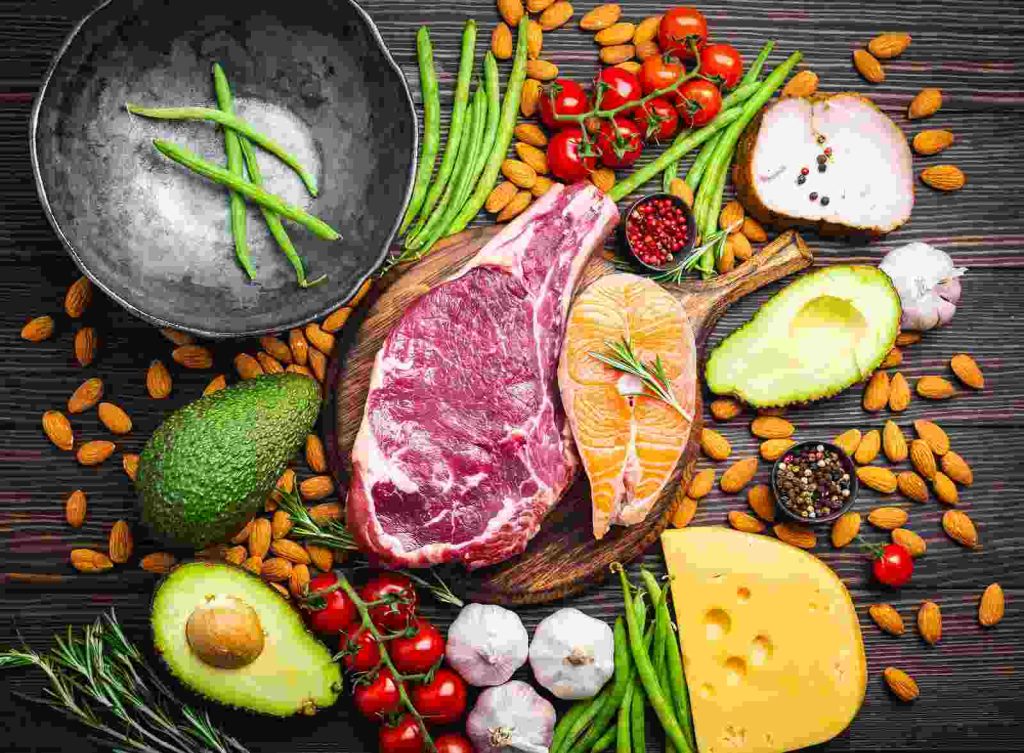
Before diving into the foods, it’s essential to understand which nutrients affect testosterone. Research highlights that zinc, magnesium, vitamin D, omega-3 fatty acids, selenium, and antioxidants play major roles in hormone signaling, inflammation control, and reproductive function.
-
Zinc & Magnesium → Support testosterone synthesis
-
Vitamin D → Linked to higher testosterone levels
-
Healthy fats (monounsaturated & omega-3s) → Provide raw materials for hormone production
-
Selenium → Essential for sperm health and hormone balance
-
Antioxidants (anthocyanins, vitamin E, indole-3-carbinol) → Protect testicular function and reduce oxidative stress
Adding foods rich in these compounds can help maintain healthy hormone levels naturally.
8 Dietitian-Approved Foods to Naturally Boost Testosterone
1. Tart Cherry Juice
Tart cherry juice is best known for reducing inflammation and aiding muscle recovery, but it may also benefit testosterone through better sleep. Cherries are a natural source of melatonin, the hormone that regulates sleep-wake cycles.
Since testosterone production largely happens during sleep, inadequate rest can significantly reduce hormone levels. Studies reveal that just one week of sleep deprivation can lower testosterone by 10–15%.
How to use it:
Drink a small glass (around 4 oz) one to two hours before bedtime to support restful sleep and hormone balance.
2. Avocados
Avocados are loaded with monounsaturated fats, crucial for testosterone production since cholesterol is the foundation of steroid hormones. They also provide zinc, magnesium, and vitamin B6, all tied to improved hormone health.
A clinical study even found that diets higher in monounsaturated fats were linked to increased testosterone in healthy men.
How to use it:
Blend into smoothies, mash on whole-grain toast, or pair with eggs and pumpkin seeds for a nutrient-packed meal.
3. Soy
Soy often gets criticized, but research shows it does not reduce testosterone. Meta-analyses confirm that soy foods and isoflavone supplements have no negative impact on men’s hormone levels.
In fact, soy provides complete plant protein (with a perfect PDCAAS score of 1), making it just as effective as animal protein. Isoflavones in soy may even protect reproductive health by reducing oxidative stress.
How to use it:
Incorporate tofu, tempeh, edamame, or soy milk made from whole beans into your weekly meals.
4. Sardines
Sardines are a nutritional powerhouse, delivering omega-3 fatty acids, vitamin D, protein, and zinc—all linked to testosterone production.
Low vitamin D has been associated with reduced testosterone, and studies suggest supplementation improves hormone levels. Sardines also support cardiovascular health, making them a double win.
How to use it:
Add sardines to salads, grain bowls, or enjoy with whole-grain crackers and mustard.
5. Purple Sweet Potatoes
These colorful root vegetables are rich in anthocyanins, antioxidants that help protect testicular tissue and reproductive health. They also provide complex carbs that regulate cortisol, your body’s stress hormone.
Since chronically high cortisol can suppress testosterone, keeping blood sugar stable is key for hormone balance.
How to use it:
Roast with olive oil and herbs for a nutrient-dense side dish.
6. Brussels Sprouts
Cruciferous vegetables like Brussels sprouts, broccoli, and cauliflower contain indole-3-carbinol, a compound that helps the body metabolize excess estrogen.
By supporting liver detox pathways and reducing estrogen dominance, these veggies help maintain a healthy testosterone-to-estrogen ratio.
How to use it:
Roast Brussels sprouts with garlic and olive oil, or add to stir-fries for a hormone-friendly boost.
7. Brazil Nuts
Brazil nuts are among the richest sources of selenium, a mineral vital for sperm production, testicular function, and testosterone synthesis.
Just one to two Brazil nuts a day meet your selenium needs, and studies show deficiencies can impair sperm quality and hormone levels.
How to use it:
Snack on a couple daily, or chop into oatmeal and yogurt for an easy boost.
8. Spinach
Spinach may look simple, but it’s a nutrient-dense ally for testosterone. It contains magnesium, linked to higher testosterone—especially in men who exercise. It’s also rich in nitrates, which improve blood flow, supporting sexual and cardiovascular health.
With added folate, vitamin E, and plant-based iron, spinach is a complete hormone-supportive food.
How to use it:
Toss into smoothies, sauté with olive oil and garlic, or mix into omelets and pasta.

Key Takeaway
Boosting testosterone doesn’t mean relying on supplements—it begins with nutrition. Adding foods like avocados, sardines, spinach, and Brazil nuts can naturally support hormone balance, energy, and overall health.
Small dietary changes build a stronger foundation for long-term wellness. For more health and fitness insights, visit 1plushealth.