


Wondering how to improve physical health? You’re not alone. With our fast-paced lives, many of us neglect essential aspects of well-being as we prioritize work, family, and other responsibilities. Yet, our physical health is the foundation that supports all areas of life.
Imagine waking up every morning with the energy to tackle your day head-on, a clear mind, and a sense of overall well-being. You don’t need extreme measures or complicated routines to achieve this. Small, practical steps can transform your health in ways that make you feel and live better.
This article is here to guide you through straightforward strategies to improve physical health—from balanced nutrition and exercise to stress management and quality sleep. With consistency and a little effort, you can enjoy a healthier, happier you.
Let’s dive into these key steps for optimal health and well-being.
Start with a Balanced Diet: Fuel Your Body Right
A balanced diet lays the foundation for optimal health. Providing your body with a mix of macronutrients (carbohydrates, proteins, fats) and micronutrients (vitamins and minerals) is essential for keeping energy levels high, promoting cell function, and strengthening immunity.
Without a balanced diet, you may feel lethargic or suffer frequent illnesses. Begin by aiming to include a colorful variety of foods on your plate, focusing on whole grains, lean proteins, healthy fats, and an array of fruits and vegetables. Not only does this variety ensure that you get all necessary nutrients, but it also keeps meals interesting.
You don’t have to be a nutrition expert to eat well; small adjustments like portion control, mindful eating, and meal planning can make a huge difference. You could start by preparing easy, nutrient-dense meals, like grilled salmon with vegetables or a hearty grain salad. Over time, these healthier eating habits can become second nature, giving you more energy to thrive in daily life.
Make Regular Exercise a Priority
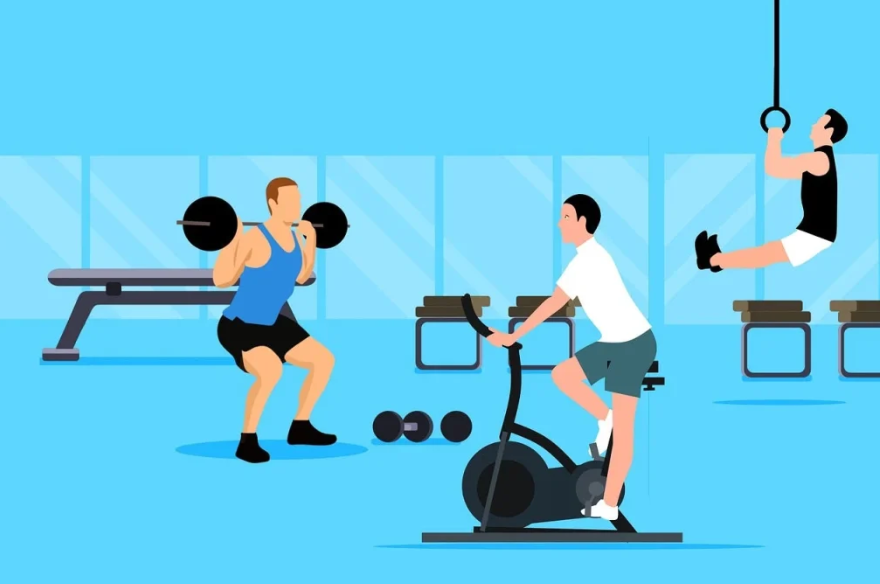
Exercise is crucial not only for physical fitness but also for mental health. Regular physical activity strengthens your heart, tones muscles, improves lung capacity, and boosts overall endurance. Yet, exercise offers more than just physical benefits—it’s a powerful mood lifter, releasing endorphins that can help reduce stress and improve mental clarity.
To make exercise sustainable, find activities that fit seamlessly into your life. Cardio exercises like walking, jogging, or cycling enhance cardiovascular health, while strength training, using weights or resistance bands, builds muscle and increases metabolism. Include flexibility exercises, such as yoga or stretching, to keep joints and muscles agile and prevent injuries.
For those who find exercise daunting, start small. Even 10-minute sessions can yield benefits and build up to a more structured routine as you gain confidence. Remember, consistency is key. By making exercise enjoyable, whether through a group class or a favorite sport, you’ll be more likely to make it a lifelong habit.
Whether you’re a beginner or already active, here’s how to make exercise work for you:
- Types of Exercise to Incorporate:
- Aerobic Exercise: Activities like walking, jogging, and cycling are fantastic for heart health and overall endurance. Aim for at least 150 minutes per week.
- Strength Training: Building muscle through weightlifting or resistance exercises increases strength and boosts metabolism.
- Flexibility and Balance Exercises: Incorporate stretching or yoga to improve flexibility, balance, and prevent injuries.
- Staying Consistent: Set achievable goals and gradually build up your routine. Start with as little as 10 minutes a day and work your way up as you feel more comfortable. Find activities you enjoy, whether that’s dancing, hiking, or a gym class, so you look forward to moving daily.
Prioritize Quality Sleep for Peak Performance
Sleep is often overlooked in discussions about physical health, yet it’s one of the most critical factors. Quality sleep allows the body to repair, recharge, and prepare for the challenges of the day ahead.
Poor sleep, on the other hand, can lead to fatigue, irritability, and even chronic health conditions like hypertension and diabetes. Achieving good sleep starts with setting a consistent bedtime and wake-up time, helping regulate your body’s internal clock.
Create a bedtime routine that signals relaxation, such as reading, listening to calming music, or practicing meditation. Avoiding screens before bed is also essential, as the blue light from devices interferes with melatonin production, disrupting sleep patterns. You could also try keeping your room dark, cool, and quiet to foster an environment conducive to rest.
Good sleep hygiene not only helps you wake up refreshed but also improves focus, productivity, and mood, which are essential for maintaining overall health.
Manage Stress for Optimal Health
Stress management is often overlooked but is crucial for physical well-being. Chronic stress affects everything from blood pressure to immune function, making it essential to keep stress levels under control. Here’s how to manage stress effectively:
- The Connection Between Stress and Health: Long-term stress can increase the risk of health issues such as high blood pressure, heart disease, and mental health challenges. It’s crucial to find healthy ways to manage stress daily.
- Effective Stress-Relief Strategies:
- Practice Mindfulness: Techniques like meditation, deep breathing, or even short mindful breaks can help calm the mind and reduce stress.
- Physical Activity as a Stress Outlet: Exercise is a proven way to relieve stress. Find an activity that feels good for you, whether it’s yoga, a brisk walk, or dancing to your favorite music.
- Connect with Others: Spending time with family and friends or simply talking about your feelings can significantly reduce stress levels. Social connections offer a sense of belonging and support.
Managing stress can have an incredible impact on your overall health and make you feel more in control of your life.
Stay Hydrated: Water as Your Best Friend
Water is one of the most overlooked essentials for physical health. Proper hydration is critical for digestion, temperature regulation, and nutrient transport, making water your body’s best friend. When dehydrated, you may feel sluggish, dizzy, or even experience headaches, which affect productivity and overall quality of life.
The general recommendation is about 8 cups of water a day, though individual needs can vary based on factors like activity level and climate. If you’re active or live in a warmer area, you may need even more to stay properly hydrated.
Tips to Increase Water Intake:
-
- Carry a Water Bottle: Having water readily available can remind you to drink throughout the day.
- Set Reminders: Use phone alarms or hydration apps to remind yourself to drink water regularly.
- Add Flavor: If plain water doesn’t appeal to you, add a splash of lemon, cucumber, or berries for a refreshing twist.
With proper hydration, you’ll feel more energized, alert, and ready to tackle any challenges that come your way.
Limit Unhealthy Habits for Long-Term Health
Improving physical health also involves limiting habits that can be detrimental, such as smoking, excessive alcohol consumption, or sedentary behavior.
Each of these habits comes with its own set of risks; for instance, smoking can lead to respiratory issues, cancer, and heart disease, while excessive drinking may impact liver health and impair judgment. Reducing these habits, or eliminating them altogether, can substantially improve health.
To successfully cut back, consider making small, manageable changes. For example,
- Harmful Effects of Unhealthy Habits: Smoking, for example, can lead to respiratory issues and increase cancer risk. Excessive alcohol can damage the liver, and a sedentary lifestyle is linked to obesity and heart disease.
- Ways to Cut Back:
- Reduce Alcohol Intake: If you drink, practice moderation by limiting the frequency or amount. Substitute with non-alcoholic options when possible.
- Combat Sedentary Behavior: Make small changes like taking short breaks to stand, walk around the office, or opt for stairs instead of elevators.
Cutting back on unhealthy habits may take time, but the
Schedule Regular Health Check-ups
Regular health check-ups play a vital role in preventive care, allowing you to monitor your health and catch potential issues early. These check-ups offer a chance to track vital health markers, like blood pressure, cholesterol levels, and blood sugar, all of which are essential indicators of overall health.
A yearly physical exam is recommended for adults, though some individuals may benefit from more frequent visits depending on age, lifestyle, and family history. In addition to physical exams, certain screenings can be critical in detecting issues early on.
For example, colonoscopies, mammograms, and prostate exams can reveal cancers at treatable stages. Health screenings and check-ups are not just a reactive measure but a proactive step in self-care. When issues are identified early, treatment options are often simpler, more effective, and less invasive.
Staying on top of preventive care keeps you informed, allowing you to take action as needed and maintain optimal health throughout your life.
Conclusion: Start Your Journey to Better Health Today
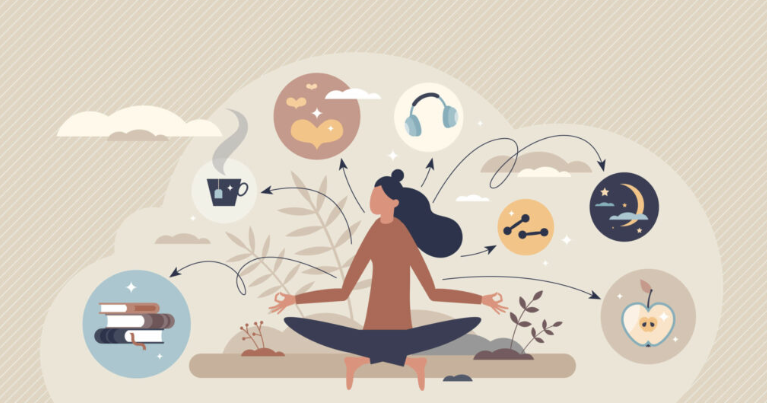
Improving physical health is a journey, not a destination. Rather than making drastic changes all at once, start with small, manageable steps and build on them gradually. Whether it’s adopting a balanced diet, prioritizing sleep, or incorporating regular exercise, each positive change brings you closer to a healthier, happier version of yourself.
Remember, consistency is key—your body responds to regular care, and over time, these habits will pay off in improved energy, mental clarity, and overall well-being. Begin with the areas that feel most achievable, and don’t be afraid to take it slow.
As you incorporate these changes, celebrate the improvements in how you feel and function. Your journey to improved physical health can start today, and each step brings lasting benefits for your body, mind, and quality of life.
1 Comment