


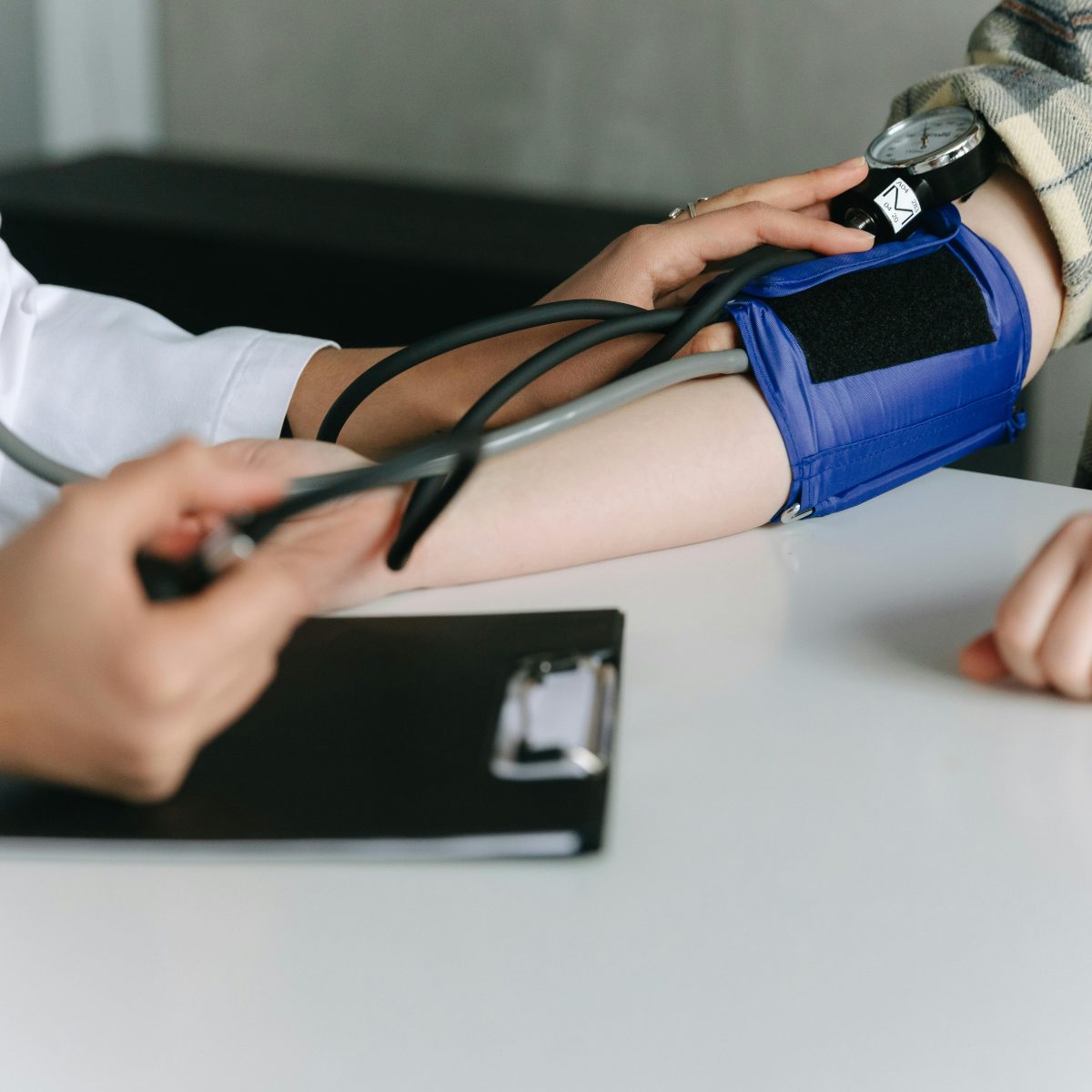
Blood pressure is a critical measure of your health, yet many people don’t fully understand what it means or why it matters. Imagine your body as a complex network of highways, and blood pressure is the force that pushes blood through these roads, keeping everything functioning. Too much or too little pressure can create serious issues that impact your heart, brain, kidneys, and other organs.
This comprehensive guide will walk you through everything you need to know about blood pressure, how it’s measured, the risks of high and low blood pressure, and what you can do to maintain a healthy reading. In this article, you’ll learn what is blood pressure and how it plays a vital role in your overall well-being.
What is Blood Pressure? A Simple Breakdown
Blood pressure is the force exerted by your blood against the walls of your arteries as your heart pumps it through your body. It’s expressed in two numbers: systolic and diastolic.

- Systolic Pressure measures the pressure when your heart beats and pumps blood.
- Diastolic Pressure measures the pressure when your heart is at rest between beats.
These two readings, presented as a ratio (e.g., 120/80 mmHg), give an overview of how efficiently your heart and arteries are working together to move blood.
Blood pressure varies throughout the day, influenced by activity levels, stress, sleep, and overall health. Understanding and keeping your blood pressure in check can prevent serious complications, including heart disease, stroke, and kidney failure.
Blood Pressure vs. Heart Rate: Understanding the Difference
People often confuse blood pressure with heart rate, but they measure two very different things. Blood pressure refers to the force of blood against artery walls, while heart rate measures how many times your heart beats per minute. Both are important indicators of cardiovascular health, but they provide distinct information.
For example, your heart rate might spike during exercise, but that doesn’t necessarily mean your blood pressure is too high. On the other hand, someone with hypertension may have a normal resting heart rate but still be at risk for serious complications. Understanding both metrics gives a more comprehensive picture of heart health.
Why Blood Pressure Matters for Your Overall Health
Blood pressure plays a critical role in delivering oxygen and nutrients to your organs and tissues. High or low blood pressure can lead to a variety of health issues, affecting everything from your brain to your kidneys.
- High blood pressure (hypertension): Over time, this can damage the walls of your arteries, leading to heart disease, stroke, and other life-threatening conditions.
- Low blood pressure (hypotension): If too low, your organs may not receive enough oxygen, leading to dizziness, fainting, or even shock in extreme cases.
Keeping your blood pressure within a healthy range is key to ensuring your body functions smoothly.
What is a Healthy Blood Pressure Range?
Maintaining a healthy blood pressure range is essential to prevent long-term health complications. The standard for normal blood pressure is below 120/80 mmHg.
Here’s a quick guide to what your readings may mean:
- Normal: Below 120/80 mmHg
- Elevated: 120-129/<80 mmHg (At this stage, no immediate medication is needed, but lifestyle changes are recommended.)
- Stage 1 Hypertension: 130-139/80-89 mmHg (Medication may be considered depending on your risk factors.)
- Stage 2 Hypertension: 140+/90+ mmHg (Medication is usually necessary to prevent complications.)
- Hypertensive Crisis: 180+/120+ mmHg (This requires immediate medical attention to avoid organ damage.)
Knowing your numbers and how to interpret them is the first step in managing your heart health. Even slight changes in these numbers can have a significant impact over time.
Hypertension: The Silent Killer
Hypertension, or high blood pressure, is often called the “silent killer” because it typically has no symptoms until significant damage has been done. Over time, high blood pressure can damage your arteries, heart, and kidneys without you ever realizing it.
Common Symptoms of Hypertension:
- Persistent headaches
- Shortness of breath
- Nosebleeds
- Chest pain
While these symptoms are not always directly linked to hypertension, experiencing them can signal that your blood pressure is dangerously high. Regular monitoring is crucial for catching this condition early and preventing severe complications like heart attacks and strokes.
Hypotension: When Blood Pressure is Too Low
Low blood pressure, or hypotension, can also pose risks, especially if it leads to symptoms like:
- Dizziness or lightheadedness
- Blurred vision
- Fainting spells
- Fatigue or lack of concentration
While some people naturally have lower blood pressure and experience no issues, hypotension can sometimes signal underlying problems like dehydration, heart conditions, or endocrine disorders. A sudden drop in blood pressure can also be life-threatening, especially if it leads to shock.
What Causes Blood Pressure Fluctuations?
Blood pressure doesn’t remain constant. It fluctuates based on various factors, including:
- Physical activity: Exercise temporarily raises your blood pressure, while rest and relaxation lower it.
- Diet: Consuming salty foods, caffeine, or alcohol can elevate blood pressure.
- Stress: Mental and emotional stress can cause spikes in blood pressure due to the release of stress hormones.
- Medications: Some medications, such as those for allergies or colds, can increase blood pressure.
Understanding what causes your blood pressure to rise and fall can help you manage it more effectively.
Who is More Prone to High Blood Pressure?
Certain groups of people are more likely to develop high blood pressure due to genetic and lifestyle factors:
- Age: Blood pressure tends to rise as you get older.
- Genetics: A family history of hypertension puts you at greater risk.
- Lifestyle: Poor diet, lack of exercise, and smoking can significantly increase your chances of developing high blood pressure.
- Other health conditions: Diabetes, obesity, and kidney disease are common contributors to hypertension.
If you’re at risk, early intervention and lifestyle changes can help prevent the onset of high blood pressure.
When Should You Have Your Blood Pressure Checked?
Routine blood pressure checks are a vital part of maintaining good health. It’s recommended to check your blood pressure at least once a year if you’re over 18 and more frequently if you have risk factors for hypertension.
Certain conditions may require more frequent monitoring, such as:
- Pregnancy
- Chronic health conditions like diabetes or kidney disease
- Family history of hypertension or cardiovascular disease
By keeping track of your numbers, you can catch any abnormal changes early and take action to prevent complications.
How to Measure Blood Pressure Accurately
Getting an accurate blood pressure reading depends on several factors. To ensure precision:
- Avoid caffeine, alcohol, or nicotine 30 minutes before the test.
- Sit still and relax for at least five minutes before the measurement.
- Make sure the cuff fits snugly and is placed at the correct level on your arm.
- Stay quiet during the reading, as talking can raise your numbers.
If you’re measuring at home, it’s a good idea to take two to three readings at different times and average the results for a more accurate assessment.
Preparing for a Blood Pressure Test
Preparation is essential for an accurate blood pressure test. Before the test, make sure to:
- Wear loose clothing that allows access to your upper arm.
- Rest for a few minutes beforehand to settle your heart rate.
- Avoid any stress or anxiety-inducing activities.
Being mindful of these steps will help ensure that your reading is as accurate as possible.
After the Blood Pressure Test: What Happens Next?
After your blood pressure reading, your healthcare provider will review the results with you. If your blood pressure is normal, continue to monitor it regularly. If it’s high or low, your provider may recommend lifestyle changes, medication, or further testing.
In cases of hypertension, you may need to make adjustments to your daily routine, such as:
- Reducing salt and processed foods
- Increasing physical activity
- Managing stress levels
Your healthcare provider will tailor recommendations to your specific needs, helping you take the right steps toward managing your blood pressure.
Treatments for High Blood Pressure
If diagnosed with high blood pressure, your treatment options can range from lifestyle changes to medications.
Common Treatment Strategies:
- Lifestyle Adjustments: This includes reducing sodium intake, quitting smoking, exercising regularly, and managing stress.
- Medications: These may include ACE inhibitors, diuretics, beta-blockers, or calcium channel blockers, depending on your specific needs.
- Monitoring: Routine blood pressure checks will help your doctor track your progress and adjust your treatment plan as necessary.
Working closely with your healthcare provider ensures that you have a plan that works for you.
The Importance of Regular Monitoring
Routine monitoring of blood pressure can catch problems before they become serious. Whether you have high or low blood pressure, regular checks provide the necessary data to make informed decisions about your health.
If you’re diagnosed with hypertension or hypotension, frequent monitoring can help you stay on top of your condition and adjust your treatment plan as needed.

Conclusion: What is Blood Pressure
Blood pressure is one of the most important indicators of your overall health, yet it’s often overlooked. Whether high or low, keeping an eye on your blood pressure can help you avoid serious, potentially life-threatening conditions like heart disease, stroke, and kidney failure.
By taking steps to monitor and maintain a healthy blood pressure range, you take control of your health and well-being. Consult your healthcare provider regularly and make the necessary lifestyle changes to keep your numbers in check. Your heart will thank you for it.
2 Comments