


Have you ever stared at your blood pressure reading and wondered what the top number means?
That number is called systolic blood pressure, and it plays a vital role in monitoring your heart health.
Whether you’re keeping tabs on your wellness, trying to lower your risk of heart disease, or just curious, this guide will walk you through everything you need to know.
In simple terms, systolic blood pressure tells you how hard your heart is working to pump blood.
By the end of this guide, you’ll understand what is systolic blood pressure, what’s normal, and what to do if your numbers are too high or too low.
Let’s break it all down—clearly, simply, and step by step.
What Is Systolic Blood Pressure?
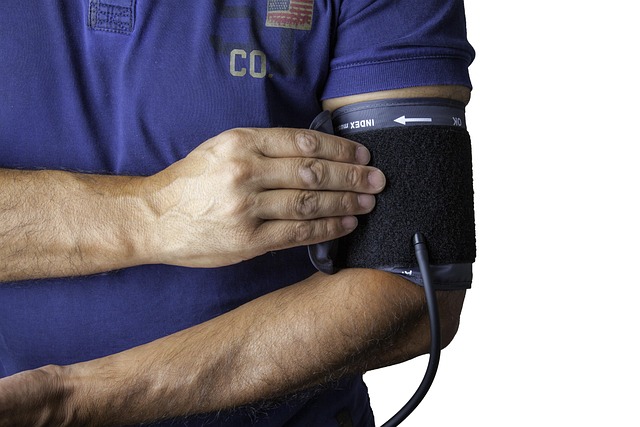
Systolic blood pressure is the top number in your blood pressure reading. It measures the pressure in your arteries when your heart beats and pushes blood through your body.
This number reflects how forcefully your heart pumps blood with each beat.
For example, if your blood pressure is 120/80 mmHg, 120 is your systolic pressure.
The bottom number (80) is called diastolic pressure and shows the pressure when your heart rests between beats.
Think of it like a garden hose. If the water is being pumped hard, the pressure increases, just like when your heart beats forcefully.
That’s systolic pressure in action. Understanding this number helps you track the condition of your arteries and overall cardiovascular health.
Why Systolic Blood Pressure Matters
Systolic blood pressure is more than just a number—it’s a warning signal and a wellness indicator.
It tells you how much pressure your arteries are under when your heart is working its hardest. Doctors pay close attention to systolic pressure, especially as you age.
Studies show that high systolic pressure increases the risk of heart attack, stroke, and kidney damage.
According to the American Heart Association, systolic pressure is often the most important factor in predicting heart disease for people over 50.
That’s because arteries stiffen with age, and the heart has to work harder to pump blood through them.
When your systolic pressure is elevated, it could signal that your heart is under strain—even if you feel perfectly fine.
That’s why monitoring it is essential, even without symptoms.
What’s a Normal Systolic Blood Pressure Reading?
So, what number should you aim for?
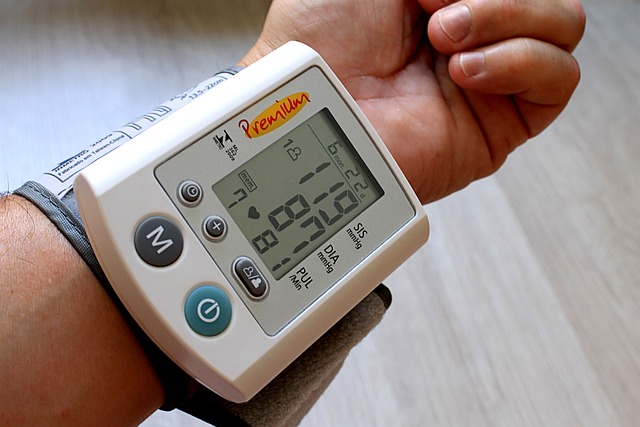
Generally, a normal systolic pressure ranges from 90 to 120 mmHg. If it’s higher than that, your risk for hypertension increases.
Here’s a quick reference guide:
| Category | Systolic (mmHg) |
|---|---|
| Normal | Less than 120 |
| Elevated | 120–129 |
| High Blood Pressure (Stage 1) | 130–139 |
| High Blood Pressure (Stage 2) | 140 or higher |
| Hypertensive Crisis | Over 180 |
Your reading might vary slightly depending on your activity level, age, or emotional state.
However, consistently high readings are a red flag and warrant attention.
Always take multiple readings over time to understand your average.
What Causes High Systolic Blood Pressure?
Many factors can cause your systolic pressure to rise. Sometimes it’s temporary—like after exercise or a stressful event.
But chronic high systolic pressure is often a sign of an underlying issue.
Common causes include:
-
Aging (especially over 50)
-
High sodium diet
-
Lack of physical activity
-
Chronic stress
-
Obesity
-
Smoking
-
Excessive alcohol intake
-
Genetic predisposition
There’s also a condition called isolated systolic hypertension, where only your systolic number is elevated.
It’s more common in older adults and can silently damage arteries without noticeable symptoms.
Example:
Jane, 58, thought she was healthy.
Her doctor noticed a systolic reading of 145 during a routine check-up.
After a few tests, she was diagnosed with stage 2 hypertension—even though her diastolic pressure was normal.
Early detection matters.
What If Your Systolic Pressure Is Too Low?
Low systolic blood pressure—called hypotension—can also be a concern. It typically means your body isn’t getting enough blood to vital organs.
This happens when your systolic reading falls below 90 mmHg.
Common symptoms of low systolic pressure:
-
Dizziness or lightheadedness
-
Fainting
-
Blurred vision
-
Nausea
-
Fatigue
Causes include:
-
Dehydration
-
Blood loss
-
Heart problems
-
Endocrine disorders
-
Side effects from medications
Although not always dangerous, persistently low systolic pressure can signal underlying health problems.
If you’re frequently dizzy or fainting, it’s time to talk to your doctor.
How to Check Your Systolic Blood Pressure at Home
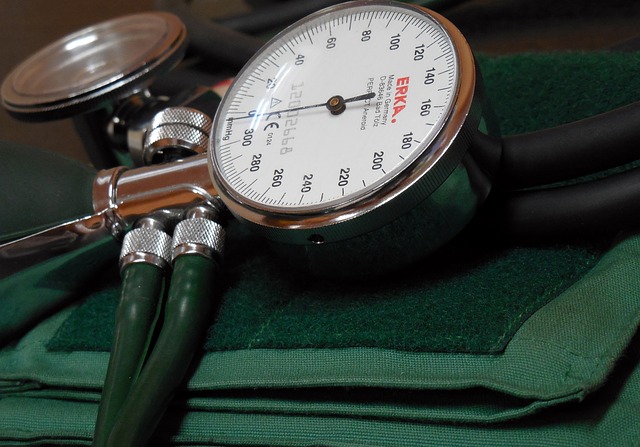
Monitoring your systolic blood pressure at home can be easy and accurate.
You just need the right tools and technique.
Here’s how to do it:
Step-by-step:
-
Choose a quality digital arm monitor (validated by medical authorities).
-
Sit in a quiet room.
-
Rest for 5 minutes before measuring.
-
Place the cuff on your upper arm at heart level.
-
Don’t talk or move during the reading.
-
Take two or three readings, one minute apart.
-
Record your systolic and diastolic numbers.
Pro tips:
-
Measure at the same time daily.
-
Avoid caffeine and alcohol before testing.
-
Use a blood pressure tracking app or journal.
-
Share your results with your healthcare provider regularly.
This helps detect trends early and manage your health effectively.
️ How to Keep Your Systolic Blood Pressure Healthy
Healthy habits are your best defense against elevated systolic pressure.
Try these proven lifestyle changes:
1. Eat heart-smart
-
Follow the DASH diet (rich in fruits, vegetables, and low-fat dairy)
-
Reduce sodium intake (under 2,300 mg/day)
-
Eat potassium-rich foods (bananas, sweet potatoes, spinach)
2. Stay active
-
Aim for 150 minutes of moderate exercise per week
-
Walking, swimming, or cycling are great options
-
Mix cardio with strength training
3. Manage stress
-
Practice mindfulness or deep breathing
-
Try yoga or meditation
-
Get enough sleep (7–8 hours)
4. Limit unhealthy habits
-
Reduce alcohol consumption
-
Quit smoking
-
Cut back on caffeine if sensitive
Consistency is key.
These changes not only lower your systolic blood pressure—they protect your entire cardiovascular system.
Systolic vs Diastolic: A Quick Comparison
Still unsure of the difference between systolic and diastolic?
Here’s a simple side-by-side table:
| Feature | Systolic | Diastolic |
|---|---|---|
| What it measures | Pressure when the heart beats | Pressure when the heart rests |
| Position in reading | Top number (e.g., 120/80) | Bottom number (e.g., 120/80) |
| Normal range | 90–120 mmHg | 60–80 mmHg |
| Key risk indicator | Heart strain, artery stiffness | Blood vessel resistance |
| More crucial for | Adults over 50 | Often more significant in youth |
Understanding both numbers gives you a complete picture of your heart health.
But systolic pressure often gets more attention, especially as you age.
❓ Frequently Asked Questions (FAQ)
What causes a sudden spike in systolic blood pressure?
Sudden stress, intense physical activity, caffeine, or pain can cause temporary spikes.
Chronic elevation needs medical evaluation.
Is 130 a bad systolic blood pressure?
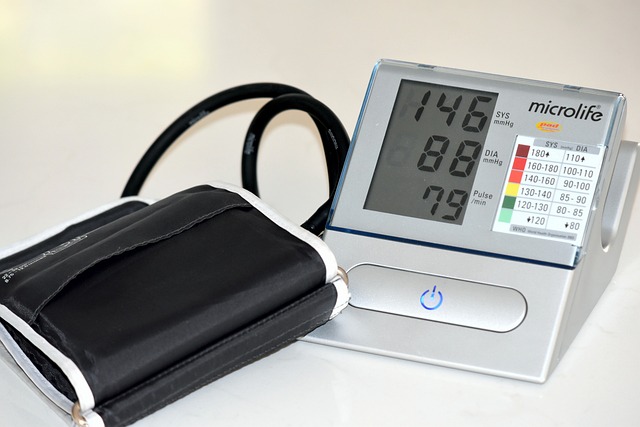
130 mmHg is considered elevated or Stage 1 hypertension.
It’s not dangerous by itself, but it increases long-term risk.
Can stress raise systolic pressure?
Yes, emotional stress causes the heart to beat faster, temporarily raising systolic pressure.
Chronic stress can lead to long-term hypertension.
Conclusion
Your systolic blood pressure is one of the most important numbers in your health profile. It shows how hard your heart is working and can warn you of hidden cardiovascular risks.
Understanding your systolic reading empowers you to take proactive steps toward a healthier life. Whether it’s improving your diet, exercising more, or just keeping an eye on your numbers, every small change helps.
Start by checking your blood pressure regularly—and talk to your doctor if you notice patterns.
Knowledge is power, and now you hold it.