


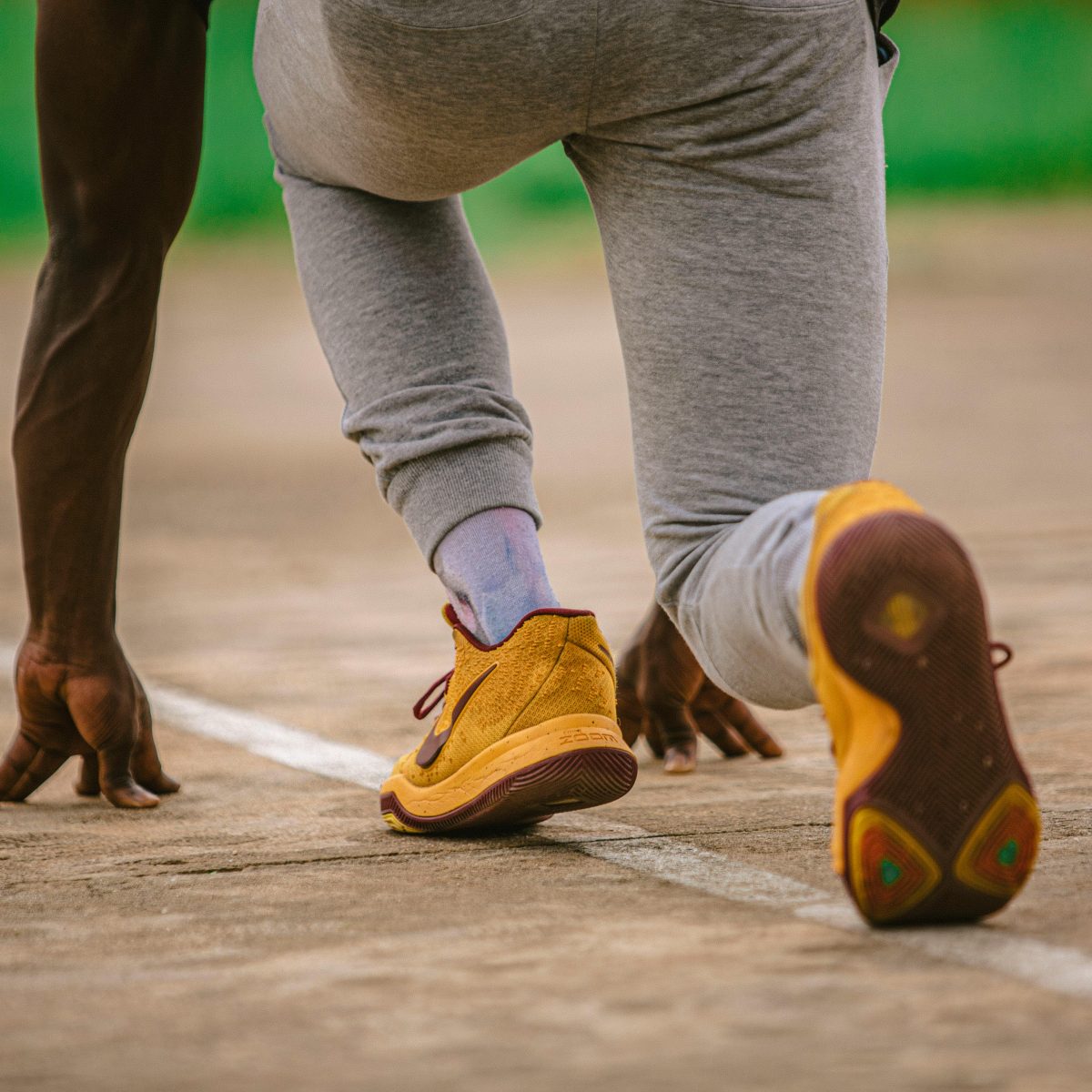
Do you want to run faster, improve endurance, and reduce injuries? Strength training is just as important as your mileage if you’re a runner. Many runners overlook leg workouts, assuming that running alone is enough to build strength.
However, you may struggle with fatigue, injuries, and slower times without targeted leg exercises. Strong legs help you generate more power, maintain good form, and stay injury-free during long runs.
In this article, you’ll discover the best leg workouts for runners to boost strength, improve running efficiency, and help you run faster and stronger.
Let’s dive in!

1. The Importance of Leg Workouts for Runners
Leg workouts are essential for runners, as they play a crucial role in enhancing performance and preventing injuries. Strong legs provide the foundation for effective running mechanics, enabling athletes to maintain proper form and efficiency over longer distances.
Here’s why leg strength is essential for runners:
- Prevents Injuries – Strength training helps protect your joints and muscles from overuse injuries.
- Improves Running Economy – Stronger muscles use less energy, reducing fatigue.
- Boosts Speed & Power – Strong legs help generate explosive force for sprinting and hill running.
- Enhances Stability & Balance – Leg exercises strengthen stabilizing muscles, reducing the risk of falls.
By incorporating leg workouts into your routine, you’ll run more efficiently and stay injury-free for the long haul.
2. Reasons to Perform Leg Workouts for Runners
1. Increased Running Speed
If you want to run faster, leg strength is non-negotiable. Strengthening the muscles in your legs—particularly the quadriceps, hamstrings, calves, and glutes—can lead to more powerful strides. When these muscle groups are well-conditioned, they can generate greater force with each step, allowing you to cover ground more quickly.
Elite sprinters incorporate heavy squats, lunges, and plyometric drills into their training to develop explosive power. Strength training also benefits long-distance runners, helping them maintain steady pacing without fatigue.
2. Injury Prevention
Injury prevention is one of the most compelling reasons for runners to incorporate leg workouts into their training regimen. Running, while an excellent cardiovascular exercise, places significant stress on the muscles, tendons, and ligaments of the lower body. By strengthening these areas through targeted leg workouts, runners can enhance their overall stability and resilience.
By strengthening your quads, hamstrings, glutes, and calves, you create a protective cushion around your joints. This cushion absorbs the impact forces of every stride, reducing strain on your knees, ankles, and lower back.
For instance, runners with weak glutes often develop knee pain because their hips lack proper stability. Targeted exercises like Bulgarian split squats and single-leg deadlifts help fix these imbalances, preventing common injuries.
3. Improved Endurance & Running Efficiency
Strong legs don’t fatigue as quickly, meaning you can run longer and stronger. Leg workouts improve muscle endurance, power, and coordination, allowing you to maintain proper form even during long runs.
When muscles are weak, your body compensates by working harder, which leads to early fatigue. Strength training ensures your legs remain efficient and resilient, helping you sustain a smooth, powerful stride from start to finish.
3. What Leg Workouts Make You Run Faster?
Running requires a balance of strength, endurance, and power. While running itself builds cardiovascular fitness, leg workouts help improve muscular strength, stability, and running efficiency.
Strength training activates fast-twitch muscle fibers, which boosts speed and power, allowing you to sprint faster and run longer without fatigue.
Here are the best leg exercises for runners, along with step-by-step instructions on how to perform them correctly.
1. Squats

When it comes to improving your running speed, squats are a game-changer. This fundamental exercise not only builds strength in your legs but also enhances your overall athletic performance.
By incorporating squats into your training regimen, you target key muscle groups such as the quadriceps, hamstrings, and glutes—all essential for powerful strides.
They help build lower body strength, which translates into more powerful strides and better endurance.
How to do it:
- Stand with your feet hip-width apart.
- Keep your chest up and back straight.
- Lower your body as if sitting into a chair, keeping your knees in line with your toes.
- Go as low as possible while maintaining good form.
- Push through your heels to return to the starting position.
Pro Tip: Add jump squats to improve explosiveness for sprinting.
2. Squat to Hydrant
One effective exercise that can significantly enhance your running speed is the Squat to Hydrant. This dynamic movement targets the hip flexors, glutes, and quadriceps, which are crucial for powerful strides.

It also improves hip mobility, reducing stress on the knees and lower back.
How to do it:
- Start in a regular squat position.
- Lower into a squat, keeping your knees aligned with your toes.
- As you return to standing, lift your right leg out to the side, keeping your knee bent at 90 degrees.
- Lower your leg and repeat on the other side.
Why It Works: Helps maintain proper running mechanics and strengthens hip stabilizers.
3. Sumo Squat
Incorporating specific leg workouts into your training regimen can make a significant difference. One effective exercise that stands out is the sumo squat. This variation of the traditional squat targets not only the quadriceps but also engages the inner thighs and glutes, which are crucial for generating power during running.
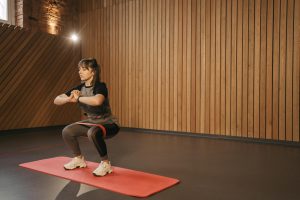
How to do it:
- Stand with feet wider than shoulder-width apart, toes pointing slightly outward.
- Lower into a squat until your thighs are parallel to the floor.
- Engage your inner thighs and glutes as you return to standing.
Try This: Hold a dumbbell or kettlebell for extra resistance.
4. Bulgarian Split Squat
This single-leg exercise improves balance, strength, and mobility, making it perfect for runners. This unilateral movement targets the quadriceps, hamstrings, and glutes while also enhancing balance and stability.
How to do it:
- Stand about two feet in front of a bench or step.
- Place your back foot on the bench.
- Lower into a lunge, keeping your front knee aligned over your toes.
- Push through your front heel to return to standing.
How to Make It Harder: Hold dumbbells in each hand.
5. Pistols (Single-Leg Squats)
Pistol squats target multiple muscle groups, including the quadriceps, hamstrings, glutes, and calves. By performing this exercise regularly, you develop greater muscular endurance and power in your legs.
The unilateral nature of the pistol squat helps address any imbalances between your left and right sides, promoting a more symmetrical running form.
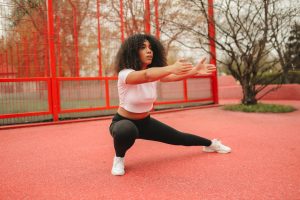
How to do it:
- Stand on one leg, extending the other leg forward.
- Lower into a squat as deep as possible, keeping your balance.
- Push back up through your heel.
Why It Helps: Reduces the risk of overuse injuries by improving muscle coordination.
6. Calf Raises with Eccentric Drop
If you’re looking to boost your speed on the track or trail, incorporating some killer leg workouts into your routine is a must. One exercise that really stands out is the Calf Raises with Eccentric Drop. Sounds fancy, right? But it’s super simple and effective!

How to do it:
- Stand on a raised surface (like a step), with your heels hanging off the edge.
- Rise onto your toes, then lower slowly below the step level.
- Repeat for 12–15 reps.
Pro Tip: Lowering slowly increases eccentric strength, making your calves more resilient.
7. Single-leg calf Raises with Eccentric Drop
If you’re a runner, strong and stable ankles are non-negotiable. Your ankles absorb constant impact with every stride, and weak calf muscles can lead to shin splints, Achilles tendonitis, or ankle sprains.
Single-leg calf raises with an eccentric drop not only strengthen your calves but also improve ankle stability and mobility, which are crucial for sprinting, turning, and maintaining proper running mechanics.
How to do it:
- Perform a calf raise on one foot, keeping your balance.
- Lower your heel slowly below the step level.
- Switch legs after 12–15 reps.
Why It Works: Helps improve running form and ankle strength.
8. Reverse Lunges
Reverse lunges are a powerful lower-body exercise that targets your quadriceps, hamstrings, glutes, and core. Unlike forward lunges, which place more stress on the knees, reverse lunges reduce joint strain while still providing the same strength-building benefits.
For runners, this movement is essential because it mimics the pushing-off motion used in running, improving your stride efficiency and running form. It also increases hip mobility, which is crucial for maintaining longer, more powerful strides over time.
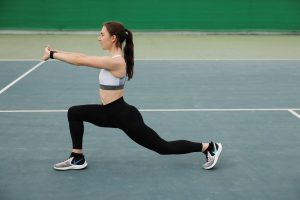
Another key benefit is balance and stability. Since running is a single-leg activity, strengthening each leg individually with reverse lunges helps prevent muscle imbalances that could lead to injuries.
How to do it:
- Step backward into a lunge, keeping your chest upright.
- Lower your back knee close to the ground.
- Push through your front heel to return to standing.
Why It Works: Helps with hill running and stability.
9. Jumping Lunges
Jumping lunges are a dynamic, explosive movement that significantly enhances leg power, stride length, and cardiovascular endurance. These benefits make jumping lunges an excellent exercise for runners who want to increase their speed and acceleration.
Unlike traditional lunges, jumping lunges involve an added plyometric component that forces your muscles to work harder, developing explosive strength.

How to do it:
- Start in a lunge position.
- Jump up, switching legs mid-air.
- Land softly and repeat.
Pro Tip: Add weights for extra intensity.
10. Box Jumps
Box jumps are an excellent plyometric exercise that builds explosive power in the legs. Explosive power is essential for runners, as it helps you generate more force with each stride, enabling you to accelerate quickly and propel yourself forward faster.
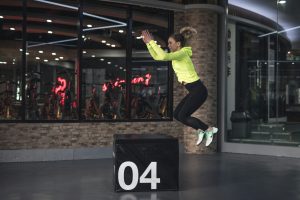
These jumps target the fast-twitch muscle fibers, which are responsible for quick bursts of speed, making them highly beneficial for runners who aim to enhance their sprinting and acceleration capabilities.
How to do it:
- Stand in front of a box or bench.
- Jump explosively, landing softly on the box.
- Step down and repeat.
Why It Helps: Increases running acceleration.
11. Single-Leg Deadlift
The single-leg deadlift is a powerhouse exercise that strengthens the hamstrings, glutes, and lower back, all of which are crucial for maintaining running performance and preventing injuries. This exercise is particularly beneficial for runners because it targets the muscles responsible for hip stability and postural control during running.
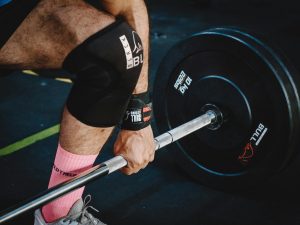
By training in these areas, you’ll enhance your ability to maintain a proper running form, which helps reduce fatigue and increase overall efficiency.
How to do it:
- Stand on one leg, holding a weight in one hand.
- Hinge at the hips, lowering the weight while extending your back leg.
- Return to standing.
Why It’s Important: Prevents hamstring strains.
12. Good Mornings
Good mornings are a fantastic exercise that strengthens the lower back, hamstrings, and core, all of which are crucial for a runner’s posture and overall performance. A strong lower back and hamstrings are vital for stabilizing your body during running, preventing injury, and enabling better posture while on the move.
Additionally, this exercise can help improve your flexibility and mobility, making it easier to maintain proper form during both long and short runs.
How to do it:
- Stand with feet hip-width apart, holding a barbell or dumbbell.
- Hinge at the hips, keeping your back straight.
- Return to standing.
Why It’s Important: Prevents lower back pain.
13. Wall Sits
Wall sits are a simple yet effective exercise that primarily targets the quadriceps, glutes, and core muscles. This exercise helps improve endurance and stability, which are essential for runners.
Wall sits are unique because they focus on holding a position for an extended period, making them excellent for muscle endurance—critical for long-distance running.

How to do it:
- Press your back against a wall.
- Lower into a squat, holding the position for 30–60 seconds.
Why It Works: Builds mental and physical endurance.
14. Skater Jumps
Skater jumps are a dynamic plyometric exercise that targets the lateral (side-to-side) movement pattern. This exercise is great for runners, as it mimics the side-to-side motion your legs undergo during sprints or when navigating uneven terrain.
Skater jumps help enhance hip stability, ankle coordination, and overall agility, all of which are crucial for improving running efficiency and reducing injury risks.

How to do it:
- Jump side to side, landing on one leg.
- Keep your knee stable on landing.
Why It Works: Strengthens hip stabilizers.
4. How to Schedule Leg Day and Running?
Balancing strength training and running can be tricky. If you schedule leg workouts incorrectly, you risk muscle fatigue, poor performance, and overtraining injuries.
The key is to strategically place leg workouts within your weekly schedule to maximize benefits while allowing proper recovery.
General Guidelines for Scheduling Strength Training & Running
- Avoid training legs before speed work – Fatigued muscles won’t perform well during fast-paced workouts.
- Schedule leg workouts after easy runs – This ensures you’re not too tired for high-intensity training days.
- Leave at least 48 hours between intense leg training and long runs – Your muscles need time to recover before endurance sessions.
- Listen to your body – If your legs feel too sore, swap strength training for mobility work or an active recovery session.
Sample Weekly Plan
Monday – Easy Run + Strength Training
Tuesday – Speed Workout
Wednesday – Rest or Cross-Training
Thursday – Long Run
Friday – Strength Training
Saturday – Hill Sprints or Tempo Run
Sunday – Recovery or Light Jog
By following a structured schedule, you can maximize your performance without overtraining.

Final Word
Leg workouts are crucial for runners who want to boost speed, endurance, and injury resistance. Strong legs improve stride efficiency, enhance running economy, and reduce fatigue, allowing you to run longer and faster with less effort.
By incorporating squats, lunges, deadlifts, and plyometric exercises, you’ll develop explosive power, strengthen stabilizing muscles, and enhance balance and coordination. A well-structured leg workout routine will not only improve your performance but also protect you from overuse injuries.
Start integrating these exercises into your training today, and you’ll notice a significant improvement in your running strength and speed!
1 Comment