


Dumbbell exercises for lower back relief are an effective way to strengthen your spine, improve posture, and eliminate discomfort.
Lower back pain is a common problem affecting millions of people worldwide.
Whether caused by prolonged sitting, poor posture, or muscle imbalances, it can make daily activities unbearable.
Fortunately, strengthening your lower back with targeted lower back dumbbell exercises can provide significant relief.
These exercises improve stability, posture, and flexibility while reducing discomfort.
This guide will walk you through the best dumbbell exercises for lower back relief, how to structure your workout, and tips to ensure long-term pain reduction.
By the end of this article, you’ll have an actionable plan to strengthen your back and eliminate pain for good.

Understanding Lower Back Pain
What Causes Lower Back Pain?
Lower back pain can result from various factors, including:
- Poor posture – Sitting or standing incorrectly strains your lower back muscles.
- Weak core muscles – A weak core increases stress on the spine.
- Sedentary lifestyle – Lack of movement causes stiffness and muscle tightness.
- Improper lifting techniques – Lifting heavy objects incorrectly can lead to injuries.
- Muscle imbalances – Weak back muscles combined with tight hip flexors or hamstrings contribute to pain.
Strengthening the lower back with dumbbell exercises helps counteract these issues by improving posture, flexibility, and muscle endurance.
Why Strengthening Your Lower Back is Crucial
Your lower back plays a vital role in supporting your spine, maintaining posture, and preventing injuries.
Building strength in this area can:
- Reduce pain and discomfort.
- Improve movement efficiency and flexibility.
- Prevent future injuries.
- Enhance core stability for better balance and coordination.
Incorporating lower back dumbbell exercises into your routine is an effective way to build resilience and prevent recurring pain.
Dumbbell Exercises to Alleviate Lower Back Pain
These dumbbell exercises focus on strengthening the muscles that support your lower back, improving flexibility, and promoting better posture.
1. Dumbbell Romanian Deadlifts

This compound movement is one of the most effective exercises for strengthening the hamstrings, glutes, and lower back.
It helps improve posture, stability, and flexibility, making it an excellent choice for relieving lower back pain.
By targeting the posterior chain, it reinforces proper hip movement and reduces stress on the lower spine.
How to perform:
- Stand with feet hip-width apart, holding a dumbbell in each hand.
- Keep a slight bend in your knees and hinge at the hips.
- Lower the dumbbells towards the ground while keeping your back straight.
- Engage your core and squeeze your glutes as you return to the starting position.
Reps: 3 sets of 10-12 reps.
2. Dumbbell Jefferson Curl

The Dumbbell Jefferson Curl is an excellent mobility and strengthening exercise for the spine, hamstrings, and posterior chain.
It enhances spinal flexibility, reduces stiffness, and improves overall posture.
This movement also helps decompress the spine, making it beneficial for those suffering from lower back pain or tightness.
How to perform:
- Stand with feet hip-width apart, holding a dumbbell in both hands.
- Slowly roll down, allowing your spine to flex while keeping your legs straight.
- Lower the dumbbell towards the floor in a slow, controlled motion.
- Engage your core and return to the upright position, stacking your spine one vertebra at a time.
Reps: 3 sets of 8-10 reps.
3. Dumbbell Superman Hold
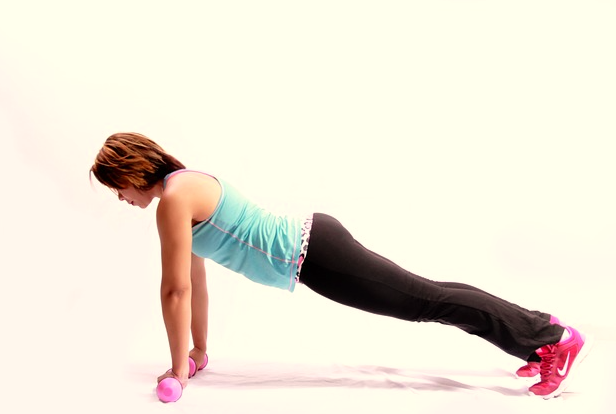
The Dumbbell Superman Hold is a powerful exercise for enhancing lower back endurance, improving posture, and reducing spinal compression.
It targets the erector spinae muscles, which play a crucial role in stabilizing the spine and preventing lower back pain.
How to perform:
- Lie face down on a mat, holding a light dumbbell in each hand.
- Extend your arms and legs off the ground, engaging your lower back and glutes.
- Hold this position for 10-15 seconds, keeping your core tight.
- Slowly lower back down and repeat.
Reps: 3 sets of 10-15 second holds.
For best results, maintain controlled breathing and avoid excessive arching.
4. Dumbbell Seated Good Mornings
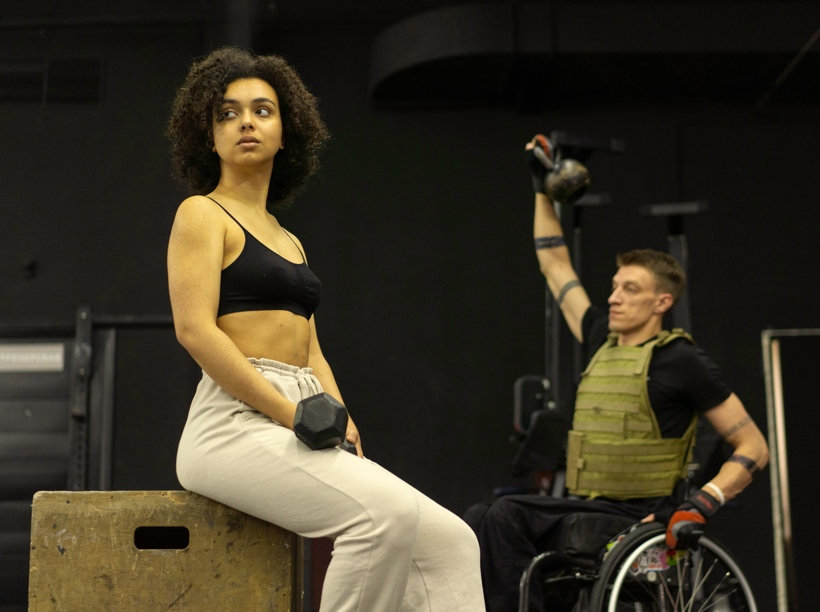 Dumbbell seated good mornings are an excellent exercise for strengthening your lower back, glutes, and hamstrings while improving spinal flexibility and posture.
This movement is particularly beneficial for individuals with limited mobility or those recovering from back pain, as it reduces strain by keeping the lower body stable.
How to perform:
- Sit on a bench with your feet planted firmly on the ground.
- Hold a dumbbell at chest level with both hands.
- Hinge forward at the hips while keeping your back straight.
- Lower your torso until you feel a stretch in your lower back and hamstrings.
- Engage your core and slowly return to the upright position.
Reps: 3 sets of 10-12 reps.
5. Dumbbell Side Bend
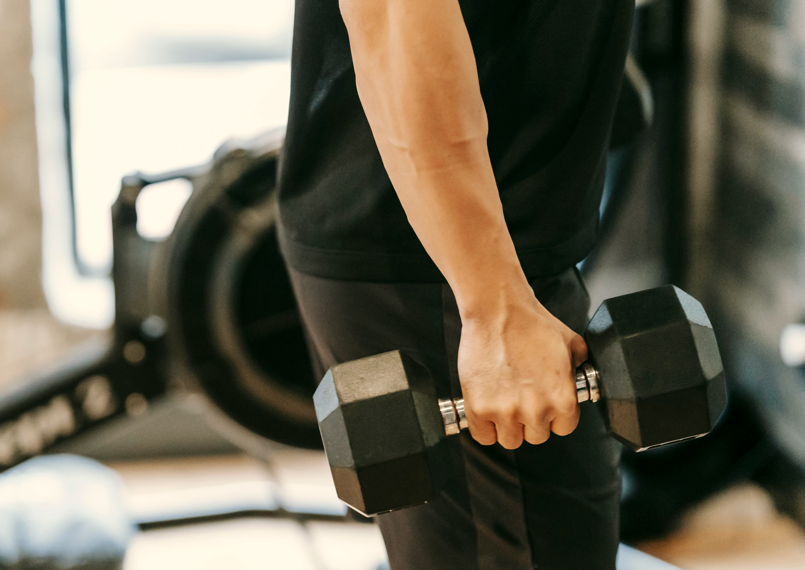
The dumbbell side bend is an excellent exercise for strengthening the obliques and lower back, improving core stability and postural control.
It helps enhance lateral flexion, reducing strain on the lower spine and preventing imbalances that can lead to discomfort or injury.
By incorporating this movement into your routine, you can build a stronger midsection, improve flexibility, and support better overall back health.
How to perform:
- Stand tall with a dumbbell in one hand and the other hand on your waist.
- Slowly bend sideways, lowering the dumbbell towards your knee while keeping your torso aligned.
- Engage your core and return to the starting position.
- Repeat on the opposite side.
Reps: 3 sets of 12 reps per side.
6. Dumbbell Stiff-Legged Deadlift
The dumbbell stiff-legged deadlift is a highly effective movement for strengthening your posterior chain, which includes your lower back, hamstrings, and glutes.
Unlike traditional deadlifts, this variation emphasizes hamstring flexibility and spinal stability, making it ideal for reducing lower back pain.
How to perform:
- Stand with your feet shoulder-width apart, holding a dumbbell in each hand in front of your thighs.
- Keep your knees slightly bent and hinge at the hips to lower the dumbbells.
- Maintain a neutral spine and feel a stretch in your hamstrings.
- Engage your lower back and glutes to return to the starting position.
Reps: 3 sets of 10 reps.
7. Dumbbell Kneeling One-Arm Row

The dumbbell kneeling one-arm row is an excellent exercise for strengthening the lower back, lats, and core, promoting muscle balance and stability.
By isolating one side at a time it helps correct strength imbalances while improving posture and spinal support.
How to perform:
- Kneel on a flat bench with one knee and place your supporting hand on the bench.
- Hold a dumbbell in your opposite hand with a neutral grip.
- Pull the dumbbell towards your waist, keeping your elbow close to your body.
- Slowly lower the weight back to the starting position.
- Repeat on the other side.
Reps: 3 sets of 10 reps per arm.
8. Dumbbell Hip Thrusts on a Bench
Dumbbell hip thrusts are an excellent exercise for activating your glutes, hamstrings, and lower back while minimizing spinal compression.
By strengthening these muscles, you enhance hip stability, improve posture, and reduce lower back strain.
This movement is especially beneficial for those experiencing back discomfort due to weak glutes or prolonged sitting.
How to perform:
- Sit on the floor with your upper back resting against a bench and feet flat on the ground.
- Place a dumbbell on your hips, keeping your core engaged.
- Push through your heels to lift your hips until your body forms a straight line from shoulders to knees.
- Squeeze your glutes at the top, then lower back down with control.
Reps: 3 sets of 12 reps.
9. Dumbbell Suitcase Deadlift
The dumbbell suitcase deadlift is an excellent unilateral exercise that strengthens the lower back, obliques, and core stability while improving posture and grip strength.
Unlike a traditional deadlift, this variation challenges your body to resist lateral bending, enhancing overall balance and muscle coordination.
How to perform:
- Stand with feet shoulder-width apart, holding a dumbbell in one hand.
- Keep your back straight and engage your core.
- Hinge at the hips and lower the dumbbell down the side of your leg.
- Drive through your heels to return to standing.
- Switch hands and repeat.
Reps: 3 sets of 10 reps per side.
10. Dumbbell Wide Row
The dumbbell wide row is an excellent exercise for strengthening both the upper and lower back while enhancing posture and stability.
Unlike traditional rows, this variation targets the rear delts, traps, and rhomboids, making it highly effective for improving shoulder alignment and reducing back strain.
It also promotes better spinal support, which is crucial for those suffering from lower back discomfort.
How to perform:
- Hold a dumbbell in each hand with a neutral grip.
- Hinge at the hips, keeping your back straight and chest lifted.
- Pull the dumbbells toward your chest with elbows wide.
- Squeeze your shoulder blades together at the top.
- Lower the weights in a controlled manner and repeat.
Reps: 3 sets of 10-12 reps.
How to Structure Your Lower Back Workout
Creating an Effective Routine
For optimal lower back strength and pain relief, follow this structure:
- Warm-up: 5-10 minutes of dynamic stretching.
- Workout: Perform 3-4 dumbbell exercises, choosing a mix of compound and isolation movements.
- Reps & Sets: 3 sets of 10-12 reps for each exercise.
- Rest Period: 30-60 seconds between sets.
- Progression: Gradually increase dumbbell weight as you get stronger.
Tips for Long-Term Pain Relief
- Prioritize proper form to avoid injury.
- Include core exercises for added support.
- Stay consistent with your routine for best results.
- Listen to your body and avoid overtraining.
Conclusion
Lower back pain doesn’t have to control your life.
By incorporating these lower back dumbbell exercises, you can strengthen your spine, improve posture, and reduce discomfort.
A strong lower back enhances flexibility, stability, and overall mobility, making daily activities easier. Start with a few exercises, focus on proper form, and gradually increase intensity.
With consistency, you’ll experience long-term relief and a healthier back.
Your body will thank you for the effort!
1 Comment