


Barbell Shoulder Exercises are one of the most effective ways to build strong, powerful shoulders that enhance both aesthetics and functionality.
They improve upper-body strength, boost posture, and support better performance in various sports and workouts.
If you want broader, more defined shoulders, training with a barbell allows you to lift heavier weights, engage multiple muscles, and develop well-rounded deltoids.
However, not all shoulder exercises are equally effective.
This guide covers the powerful barbell shoulder exercises, how to perform them safely, and expert tips to maximize muscle growth and strength.
Whether you’re a beginner or an advanced lifter, this article will help you create an effective barbell shoulder workout routine for size, strength, and endurance.

Understanding Shoulder Anatomy for Optimal Training
To build strong and well-defined shoulders, you must first understand their muscle structure and how each part contributes to movement and stability.
The deltoid muscle consists of three primary heads, each playing a unique role in shoulder development:
- Anterior Deltoid (Front): Responsible for forward arm movement, heavily engaged in pressing exercises like the barbell overhead press and push press.
- Lateral Deltoid (Side): Helps raise the arms laterally, essential for shoulder width and definition. This part of the shoulder is targeted with upright rows and barbell front raises.
- Posterior Deltoid (Rear): Supports pulling movements, improves posture, and enhances shoulder stability. It is activated during face pulls and reverses fly movements.
In addition to the deltoids, other muscles contribute to shoulder strength and mobility:
- Trapezius: Assists in shoulder elevation and stabilization, playing a key role in shrugs and overhead carries.
- Rotator Cuff: A group of small muscles that stabilize the shoulder joint, preventing injuries and enhancing movement efficiency.
- Upper Chest: Supports pressing movements, contributing to overall shoulder power.
Choosing the right barbell exercises ensures that all these muscle groups are effectively trained, leading to balanced shoulder development, improved posture, and increased strength.
Best Barbell Shoulder Exercises
Primary Shoulder Builders (Mass & Strength Focused)
1. Barbell Overhead Press

This classic shoulder press builds overall deltoid size and strength.
Starting Position:
-
- Stand with your feet shoulder-width apart.
- Keep your chest up and engage your core for stability.
Grip & Setup:
-
- Grip the barbell slightly wider than shoulder-width.
- Ensure your wrists are in line with your elbows to maintain proper form.
Execution:
-
- Press the barbell overhead while keeping your core tight.
- Lock out your arms at the top without excessive arching of your back.
- Lower it slowly to your chest with control.
- Repeat for the desired number of reps.
Muscles Worked: All three deltoid heads, triceps, and upper chest.
Reps & Sets: 3-4 sets of 6-8 reps.
2. Push Press
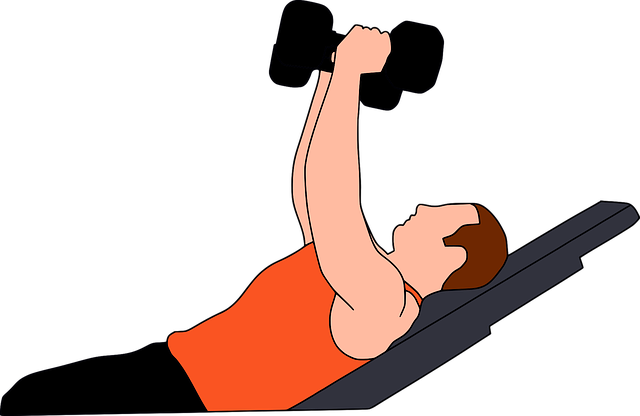
This explosive movement helps lift heavier weights by utilizing leg drive to assist the shoulders.
It increases power output and improves overhead strength, making it a great choice for athletes and lifters aiming to build muscle and performance.
- Start with the barbell at shoulder height, gripping it slightly wider than shoulder-width.
- Slightly bend your knees and generate power from your legs by performing a quick dip.
- Explosively press the barbell overhead, fully extending your arms.
- Lock out at the top, keeping your core engaged.
- Lower the bar under control back to the starting position.
Muscles Worked: Shoulders, triceps, core, and legs.
Reps & Sets: 3 sets of 5-6 reps.
3. Seated Barbell Shoulder Press
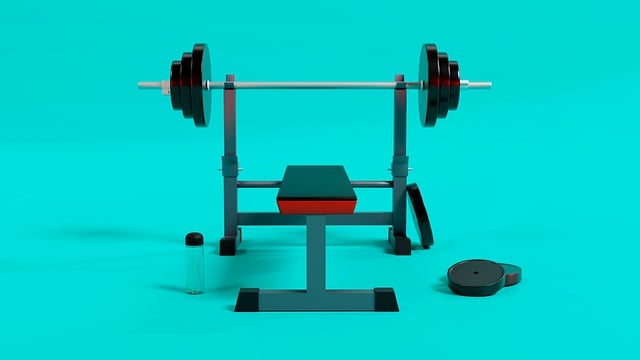
Eliminates leg drive, isolating the shoulders.
How to Perform
- Sit on a bench with back support to prevent unnecessary movement.
- Grip the barbell at shoulder height, slightly wider than shoulder width.
- Press the bar upward, fully extending your arms.
- Lower it slowly to the starting position with control.
Muscles Worked:
- Front and side delts
- Triceps
Reps & Sets:
- 3-4 sets of 8-12 reps
4. Bradford Press
A mix of front and behind-the-neck presses enhances shoulder mobility and strength. This exercise keeps constant tension on the deltoids, making it an excellent hypertrophy movement.
How to Perform
- Start with the barbell at shoulder height, using an overhand grip.
- Press the bar just above your head, moving it behind your neck in a controlled motion.
- Lower the bar to shoulder level at the back.
- Press it up again and return to the front starting position.
- Repeat the movement for the recommended reps.
Muscles Worked: Full deltoid engagement, improved mobility, and upper trap activation.
Reps & Sets: 3 sets of 8-10 reps for strength and size.
Accessory Shoulder Movements (Definition & Isolation)
5. Barbell Upright Row
The barbell upright row is an excellent exercise for targeting the lateral delts, traps, and upper back.
It helps build broader shoulders and enhances overall upper-body strength.
How to Perform
- Grip the barbell shoulder-width apart with an overhand grip.
- Stand tall, keeping your core engaged and back straight.
- Pull the barbell upward toward your chin, leading with your elbows.
- Pause briefly at the top, ensuring maximum contraction.
- Lower the bar slowly to the starting position, maintaining control.
Reps & Sets: 3 sets of 10-12 reps.
Tip: Avoid lifting too high to prevent shoulder strain.
6. Barbell Front Raise
This exercise isolates the front deltoids, helping to build definition and strength in the anterior shoulder muscles.
It’s an excellent accessory movement for improving overhead pressing power and enhancing shoulder aesthetics.
How to Perform:
- Grip: Hold the bar with an overhand grip (palms facing down), shoulder-width apart.
- Starting Position: Stand tall with a neutral spine and the barbell resting in front of your thighs.
- Raise the Bar: Lift the bar to shoulder height while keeping your arms straight.
- Pause & Lower: Hold for a second at the top, then slowly lower the bar back to the starting position.
- Reps & Sets: 3 sets of 10-12 reps.
- Pro Tip: Avoid swinging or using momentum to lift the weight—focus on controlled movements.
7. Barbell Face Pull
The barbell face pull is an excellent exercise for developing the posterior delts, upper back, and scapular stability.
It strengthens the entire shoulder girdle, improves posture, and enhances shoulder mobility.
Most lifters perform face pulls using a rope attachment on a pulley system, but you can easily modify this movement with a barbell for a unique challenge.
How to Perform the Barbell Face Pull:
- Grip the Barbell – Use a wider-than-shoulder-width overhand grip.
- Hinge Forward – Bend slightly at the hips, similar to a bent-over row position.
- Pull Toward Your Face – Focus on keeping your elbows high as you pull the bar up toward your face.
- Control the Movement – Avoid jerking the weight and maintain a smooth, controlled motion.
- Start Light – Master the technique before adding heavier weights.
Stability & Endurance Exercises
8. Overhead Carry
The barbell overhead carry is a highly effective exercise for developing shoulder stability, endurance, and core strength.
By holding a barbell overhead while walking, you force your deltoids, traps, and core muscles to work together to maintain balance and control.
This movement enhances postural alignment, improves grip strength, and increases overall shoulder durability, making it an excellent addition to any barbell shoulder workout.
How to Perform:
- Load a barbell with an appropriate weight and press it overhead.
- Keep your arms fully extended and your core engaged.
- Walk forward in a controlled manner for the set duration.
- Maintain tight core engagement and avoid excessive leaning.
- Lower the barbell safely once the set is complete.
Reps & Sets: 2 sets of 20-30 seconds.
Pro Tip: Start with a lighter weight to master stability before increasing resistance.

How to Perform Barbell Shoulder Exercises Safely
Training with a barbell is one of the best ways to build strong, well-defined shoulders, but improper form can lead to injuries.
Follow these key safety guidelines to protect your joints and maximize muscle growth.
1. Warm Up Properly
A proper warm-up increases blood flow, enhances shoulder mobility, and reduces injury risk.
Perform dynamic stretches such as arm circles, band pull-aparts, and shoulder dislocations before lifting.
Start with lightweight barbell movements to activate your deltoids before progressing to heavier sets.
2. Choose the Right Weight
Lifting too heavy with improper form increases shoulder strain and reduces effectiveness.
Select a weight that allows you to perform controlled reps while maintaining good posture.
Prioritize progressive overload without compromising technique.
3. Maintain Proper Form
The form is crucial for shoulder development and injury prevention.
Keep your core engaged, avoid excessive lower back arching, and ensure your wrists and elbows are properly aligned.
Use a full range of motion to maximize muscle activation.
4. Control Every Rep
Avoid using momentum or jerky movements when lifting. Slow, controlled reps enhance muscle engagement and prevent injuries.
Lower the weight gradually to maintain tension in the deltoids and promote muscle growth.
5. Balance Your Shoulder Training
Overtraining the front delts while neglecting the rear delts can lead to muscle imbalances and poor posture.
Include rear delt exercises like face pulls, reverse flys, and rear delt rows to improve shoulder stability.
Sample Shoulder Workout Routine with a Barbell
Mass & Strength Routine
- Barbell Overhead Press – 3 sets of 6-8 reps
- Push Press – 3 sets of 6 reps
- Barbell Upright Row – 3 sets of 10-12 reps
- Bradford Press – 2 sets of 8 reps
- Overhead Carry – 2 sets of 20-30 seconds
Hypertrophy & Definition Routine
- Seated Barbell Shoulder Press – 3 sets of 8-12 reps
- Barbell Front Raise – 3 sets of 10-12 reps
- Barbell Face Pull – 3 sets of 12-15 reps
- Landmine Shoulder Press – 3 sets of 8-10 reps
- Barbell Shrug – 3 sets of 12-15 reps
Wrap-Up: Barbell Shoulder Exercises
Barbell shoulder exercises are essential for building stronger, more defined shoulders that enhance both aesthetics and performance.
By incorporating a mix of strength, hypertrophy, and stability movements, you can develop well-rounded shoulders that improve posture, power, and athletic ability.
However, proper form, controlled movement, and progressive overload are crucial for maximizing results while minimizing the risk of injury.
Recovery is just as important—allow your muscles to rest and grow by balancing intensity with proper nutrition and mobility work.
Start incorporating these best barbell shoulder exercises into your routine and take your shoulder training to the next level!