


You’ve crushed your workout, pushing yourself closer to your fitness goals, only to be hit by an unwelcome visitor—stomach pain. It’s frustrating, isn’t it? That sharp, twisting discomfort can steal the joy of accomplishment and leave you questioning what went wrong.
Stomach hurting after workout is a surprisingly common issue, and it can stem from various causes like diet, dehydration, or even exercise intensity. But don’t worry—you’re not alone, and there’s plenty you can do to prevent and remedy this discomfort.
In this guide, you’ll uncover the reasons behind post-exercise stomach pain, learn how to stop it from happening, and find effective ways to ease the discomfort. With these insights, you’ll get back to enjoying your workouts—pain-free.
Why Does Your Stomach Hurt After a Workout? Common Causes
Understanding why your stomach hurts after a workout is the first step toward addressing and preventing the discomfort. Several factors, from what you eat to how you exercise, can contribute to this issue.
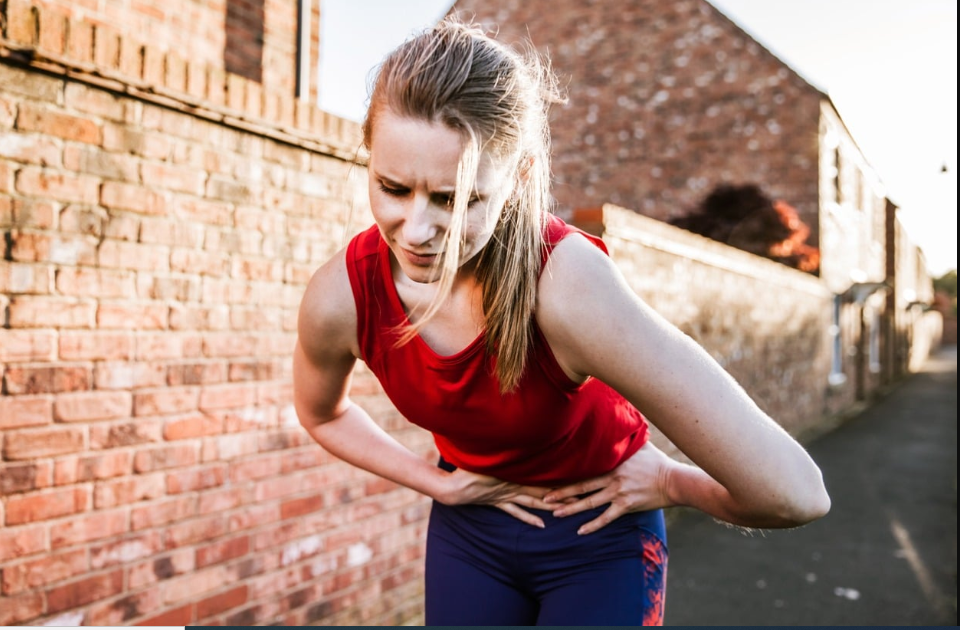
Let’s dive into the various potential causes in detail, so you can pinpoint the root of your discomfort and take actionable steps toward relief.
1. Eating Too Close to Your Workout
Eating too close to your workout session can be a significant trigger for stomach pain. When you consume food, your body begins the digestion process, directing blood flow to the stomach and intestines.
However, during exercise, your body prioritizes blood flow to your muscles, leaving your digestive system underpowered. This conflict can lead to cramping, nausea, and bloating.
The types of foods you eat can also make a difference. High-fat, high-fiber, or dairy-rich meals take longer to digest and are more likely to cause discomfort.
For instance, if you eat a heavy pasta dish or a cheeseburger within an hour of exercising, your stomach might struggle to process it alongside the physical demands of your workout.
2. Insufficient Hydration and Electrolyte Imbalances
Hydration is crucial for optimal performance and digestion. When you exercise, your body loses water and essential electrolytes, such as sodium and potassium, through sweat. If these aren’t replenished, your digestive system can become sluggish, leading to cramping, bloating, or even spasms in your abdominal area.
Additionally, dehydration thickens your blood, making it harder for your body to circulate nutrients and oxygen effectively. This can exacerbate stomach discomfort, especially during high-intensity workouts.
Overhydration, on the other hand, can cause a bloated feeling and disrupt your stomach’s natural balance, so it’s essential to strike the right hydration balance.
3. Overexertion and Core Strain
Overexerting yourself during a workout can put undue stress on your abdominal area. High-impact exercises like running, jumping, or heavy lifting can cause strain on your core muscles, leading to discomfort or even soreness.
Improper breathing techniques during strenuous activities can further increase abdominal pressure, intensifying the pain.
Moreover, if you engage your core muscles incorrectly or overuse them—such as doing too many sit-ups or crunches without proper form—you risk causing microtears or strain, leaving your stomach area tender and uncomfortable.
4. Medical Conditions and Chronic Issues
For some individuals, stomach pain during or after exercise may be linked to underlying medical conditions. Gastroesophageal reflux disease (GERD), irritable bowel syndrome (IBS), or even a hiatal hernia can flare up during physical activity.
For example, someone with GERD might experience acid reflux due to the jostling motion of a workout, causing a burning sensation or cramping in the stomach.
It’s important to pay attention to the severity and frequency of your pain. If you find that your symptoms persist despite making changes to your diet and exercise routine, consult a healthcare professional to rule out or address these chronic conditions.
How to Prevent Stomach Pain After Exercise
Preventing stomach pain after a workout involves preparation and thoughtful adjustments to your routine. By implementing the following strategies, you can reduce the likelihood of experiencing discomfort and keep your workouts enjoyable and effective.
1. Optimize Your Pre-Workout Nutrition
Your pre-workout meal plays a critical role in how your stomach feels during exercise. To minimize the risk of discomfort, eat a light, easily digestible meal at least 1-2 hours before your workout.
Focus on simple carbohydrates and lean proteins, such as a banana with peanut butter, a slice of whole-grain toast with honey, or a small portion of grilled chicken with white rice.
Avoid foods high in fat, fiber, or dairy, as these take longer to digest and can cause bloating or cramps. For example, eating a bowl of chili or a cheesy burrito too close to your workout can disrupt your digestive system and leave you feeling sluggish.
2. Prioritize Hydration Throughout the Day
Proper hydration is essential not only during your workout but also before and after it. Aim to drink water consistently throughout the day to prepare your body for the physical exertion ahead. About two hours before your workout, drink 16-20 ounces of water to ensure you’re well-hydrated.
During your workout, sip on water or an electrolyte drink at regular intervals to replace lost fluids and minerals.
Be cautious of drinking too much water all at once, as this can lead to a bloated or sloshing feeling in your stomach. Instead, drink small sips at a time to keep your hydration levels balanced.
3. Modify Your Workout Intensity
High-intensity or high-impact exercises are more likely to trigger stomach discomfort. If you notice pain during these types of workouts, consider scaling back to a moderate intensity. For instance, swap out sprinting for a brisk walk or replace burpees with low-impact alternatives like step-ups or modified planks.
Warm-up routines can also make a difference. Preparing your body with stretches or dynamic movements before jumping into strenuous activity can help ease your muscles into the workout and reduce abdominal strain.
4. Wear Comfortable and Supportive Clothing
Your choice of workout attire can significantly impact how your stomach feels during exercise. Tight clothing that compresses your abdomen can interfere with digestion and lead to cramping or bloating.
Choose breathable, non-restrictive clothing that allows you to move freely while supporting your body. For example, high-waisted leggings with moderate compression can provide support without squeezing your stomach too tightly.
Remedies for Stomach Hurting After a Workout
If stomach pain sets in despite your best efforts, there are various remedies to help you find relief and recover quickly. Experiment with the following solutions to see what works best for your body.
1. Gentle Stretches and Yoga Poses
Stretching can be incredibly effective for relieving stomach pain. Yoga poses like Child’s Pose, Cat-Cow, and Reclined Twist can help relax your abdominal muscles and improve digestion. These gentle movements increase blood flow to the stomach, easing cramps and tension.
For example, Child’s Pose involves kneeling and stretching your arms forward while lowering your torso to the ground. This pose can help relieve pressure in the abdominal area, allowing your muscles to relax.
2. Herbal Teas for Soothing Relief
Herbal teas are a natural way to ease stomach discomfort. Ginger tea is known for its anti-inflammatory properties, while peppermint tea relaxes the muscles of your digestive tract.
Chamomile tea, on the other hand, has a calming effect on both the stomach and the mind, making it a great option for post-workout recovery.
Sipping warm tea after your workout can also promote hydration, helping you restore lost fluids without upsetting your stomach further.
3. Over-the-Counter Solutions
If your stomach pain persists, over-the-counter remedies like antacids, simethicone, or digestive enzymes may offer relief. These products help neutralize excess stomach acid, reduce bloating, or aid digestion, depending on the underlying cause of your discomfort.
However, it’s essential to use these remedies sparingly and consult a healthcare provider if your symptoms are frequent or severe.
4. Relaxation and Recovery Techniques
After a tough workout, give your body the time and space it needs to recover. Lie down in a comfortable position, preferably on your left side, which can help promote better digestion and alleviate discomfort.
Incorporating relaxation techniques, such as deep breathing exercises or meditation, can also help calm your nervous system and reduce stress, which may contribute to stomach pain.
5. Track Your Habits and Adjust
Keeping a workout and food journal can help you identify triggers for your stomach pain. Record what you eat, your exercise routine, and how your body responds. Over time, patterns will emerge, allowing you to make informed changes to your diet, hydration, or workout routine to minimize future discomfort.

When Should You Seek Medical Help?
While occasional stomach pain after a workout is normal, some situations require medical attention.
- Severe or Persistent Pain: If your pain doesn’t subside within a few hours or worsens, it’s time to see a doctor.
- Accompanying Symptoms: Symptoms like vomiting, fever, or blood in your stool indicate a more serious issue and shouldn’t be ignored.
- Suspected Medical Conditions: If you suspect GERD, IBS, or a hernia, a professional diagnosis is crucial for effective treatment.
Final Thoughts: Take Control of Your Fitness Journey
Stomach hurting after a workout doesn’t have to derail your fitness goals. By understanding the causes, making small adjustments to your routine, and knowing how to remedy discomfort, you can exercise confidently and pain-free.
Remember, your body is unique, and learning how it responds to exercise is part of the journey. Listen to its signals, make informed choices, and don’t hesitate to seek professional advice if needed.
Take charge of your post-workout health, and let nothing stand between you and your goals. Your stomach—and your future self—will thank you!