


Starting your weight loss journey can feel overwhelming, especially with so many diet plans promising quick fixes. But if you’re looking for a beginner diet plan for weight loss for female that’s both manageable and sustainable, you’re in the right place.
This guide provides a simple yet effective approach to losing weight, balancing nutrition, and keeping you energized—all while fitting easily into your daily routine.
Whether you’ve struggled with restrictive diets or just need a solid starting point, this plan is designed with you in mind. You’ll find easy-to-follow tips, satisfying meal ideas, and ways to build healthy habits that last.
Ready to start your transformation? Let’s dive in and make weight loss work for you!
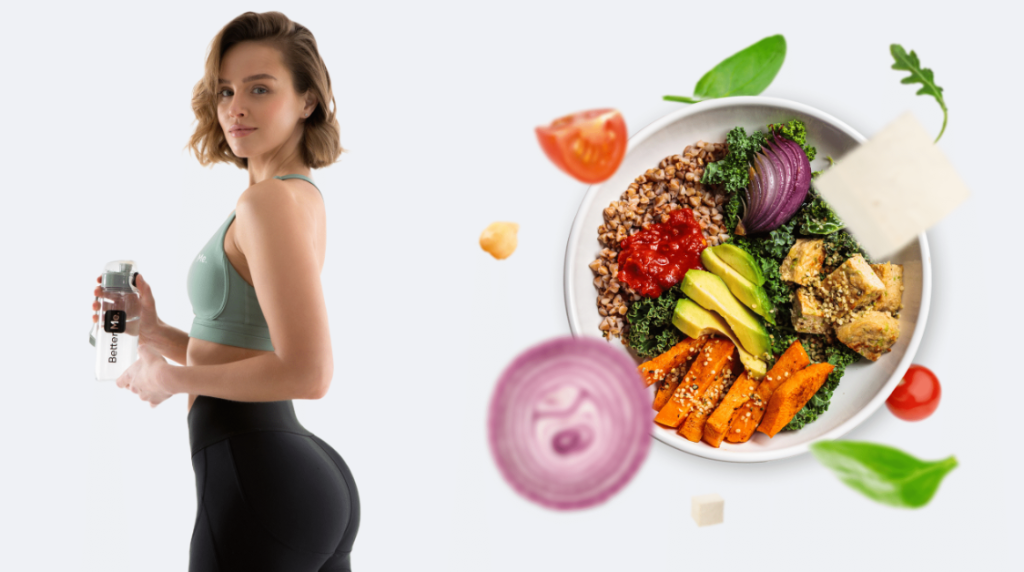
Understanding Female-Specific Nutritional Needs
When it comes to weight loss, one size doesn’t fit all—especially for women. Our bodies have unique nutritional requirements that play a vital role in our health and weight loss journey. Understanding these needs will help you make better food choices that support your body’s functions while keeping you full and energized.
Hormonal Considerations
Hormones like estrogen influence body composition, energy levels, and appetite, and fluctuating hormone levels can impact your weight loss progress. For instance, higher estrogen levels may make you feel hungrier, while lower estrogen levels can reduce your overall energy levels. This makes balanced nutrition essential, as it helps stabilize energy and reduces cravings throughout hormonal cycles.
Vitamins and Minerals
Women have unique needs for nutrients like calcium, iron, and vitamin D, which support bone health, energy levels, and immunity. Iron, in particular, is crucial for females, especially due to menstruation, as it supports energy levels, which is vital for sustaining physical activity during weight loss.
Many women find themselves low in iron, which can lead to fatigue, making it harder to exercise. By ensuring your diet includes these essential nutrients, you’re not just focusing on calories but on supporting your overall health, which is vital for lasting weight loss.
Balancing Nutritional Intake
Achieving a balance between proteins, healthy fats, and complex carbohydrates can make a significant difference in your weight loss journey. Women’s bodies respond well to a diet that includes diverse nutrients, as they contribute to fullness, energy, and metabolic efficiency.
Eating balanced meals with all three macronutrients keeps blood sugar levels steady, which is essential for minimizing cravings and avoiding energy crashes.
Setting Realistic Weight Loss Goals
The biggest mistake many make on their weight loss journey is setting unrealistic goals. Instead of aiming to lose several pounds in a week, strive for a more sustainable approach.
Healthy Pace of Weight Loss
Losing 1-2 pounds per week is considered a safe and sustainable rate of weight loss. Rapid weight loss often leads to muscle loss, fatigue, and is usually difficult to maintain. This slow and steady approach is more likely to result in permanent weight loss and gives your body time to adjust to the new lifestyle.
Tracking Progress
Consider using a food journal or a tracking app to monitor your daily calorie intake, macronutrients, and water consumption. This is not only beneficial for weight loss but also for accountability. Keeping a record lets you identify patterns, like times you feel hungrier, or foods that make you feel full longer. While it’s essential to keep track, avoid obsessing over numbers. Focus on progress, not perfection, and celebrate small milestones.
Mindset for Success
Keeping a positive mindset is key. Remember that weight loss is a journey, not a race. Setbacks are natural; the important thing is to stay committed and view this as a lifestyle change, not a short-term fix. Practicing self-compassion can also help; if you indulge or skip a workout, forgive yourself, refocus, and continue moving forward.
Core Components of a Beginner Diet Plan for Females
A successful diet plan includes the right balance of calories, macronutrients, and hydration. Here’s a breakdown of each component:
Caloric Intake and Deficit
A calorie deficit is the foundation of weight loss. This means you’re consuming fewer calories than you burn. However, don’t go too low. Aiming for a slight deficit, around 500 calories per day, is a balanced approach to weight loss that minimizes muscle loss and fatigue. For example, if you usually consume 2000 calories, aiming for 1500–1700 calories can be ideal for sustainable weight loss.
Macronutrient Balance
Eating the right mix of proteins, fats, and carbohydrates keeps you satisfied and energized throughout the day. Here’s how to approach each macronutrient:
- Proteins: Essential for muscle preservation and satiety. Aim for lean meats like chicken or fish, plant-based options like tofu and lentils, or low-fat dairy.
- Carbohydrates: Focus on complex carbs for sustained energy. Whole grains, vegetables, and legumes are great choices that also provide fiber, aiding in digestion and fullness.
- Fats: Healthy fats support hormonal balance and help you feel full. Avocados, nuts, seeds, and olive oil are excellent sources of unsaturated fats.
Hydration
Staying hydrated is crucial for overall health and helps control appetite. Drinking water before meals can also reduce your calorie intake by creating a sense of fullness.
Aim for at least 8 glasses of water a day, and remember that hydration needs increase with physical activity. Herbal teas or infused water can be refreshing options to increase water intake without added calories.
Sample Beginner Diet Plan for Weight Loss
This sample plan is designed to help you start strong, providing balanced meals and snacks that are easy to prepare.
Day 1
- Breakfast: Greek yogurt with fresh berries and a sprinkle of chia seeds. High in protein, low in sugar, and rich in fiber.
- Lunch: Grilled chicken salad with mixed greens, cherry tomatoes, cucumbers, and a drizzle of olive oil and lemon.
- Dinner: Baked salmon with a side of steamed broccoli and a small portion of brown rice.
- Snack: Apple slices with a handful of almonds.
Day 2
- Breakfast: Oatmeal with sliced bananas, walnuts, and a sprinkle of cinnamon.
- Lunch: Quinoa bowl with roasted vegetables, chickpeas, and a light tahini dressing.
- Dinner: Stir-fried tofu with mixed veggies and a side of cauliflower rice.
- Snack: Carrot sticks with hummus.
Meal Prep Tips
Consider preparing larger batches of proteins and vegetables at the start of the week. This makes it easy to assemble balanced meals quickly and helps you avoid fast-food temptations.
Lifestyle Habits to Support Weight Loss Goals
In addition to diet, lifestyle habits can make a significant difference in weight loss success. Here are some key habits that can support your efforts.
Incorporate Physical Activity
Adding exercise to your routine can enhance your weight loss efforts. Begin with simple activities like brisk walking, light strength training, or yoga. Aim for 30 minutes a day, gradually increasing as you feel more comfortable. Exercise not only burns calories but also boosts mood and energy levels.
Practice Mindful Eating
Mindful eating is a powerful tool that can improve your relationship with food. Eating slowly and savoring each bite helps you recognize when you’re full, preventing overeating. Try putting your utensils down between bites and focus on the flavors and textures of your food. Over time, this practice can help reduce emotional eating.
Prioritize Sleep and Stress Management
Quality sleep and low stress are often overlooked but are crucial for weight loss. Lack of sleep can lead to hormone imbalances that increase appetite, while elevated stress can lead to cravings, so managing it is key to maintaining your diet. Aim for at least 7-8 hours of sleep and practice stress-reducing activities like deep breathing, meditation, or journaling.
Common Pitfalls and How to Avoid Them
Even with a solid plan, there are some common pitfalls that can derail your progress. Here’s how to avoid them:
Avoid Extreme Dieting
Extreme calorie restriction may lead to rapid initial weight loss, but it’s often unsustainable. A balanced diet with gradual changes is much more effective for long-term success. Restrictive diets can also lead to binge eating, which undoes the progress you’ve made.
Don’t Compare Your Progress
Every person’s weight loss journey is unique, and comparing your progress to others can be discouraging. Focus on your goals and remember that small, steady changes lead to lasting results. Remember, social media often highlights the best moments, not the behind-the-scenes challenges.
Stay Consistent
Consistency is vital in your diet and lifestyle. Stick with your plan, even if progress seems slow at times. The more you practice healthy habits, the easier they become. Aim for consistency over perfection, and give yourself credit for the effort you’re putting in.

FAQs About Female Weight Loss and Beginner Diet Plans
- Q: Can I lose weight without cutting out carbs?
- A: Absolutely! You can enjoy healthy carbs like fruits, vegetables, and whole grains. Moderation is key.
- Q: What if I don’t see immediate results?
- A: Weight loss can vary, so stay patient. Focus on overall health improvements, not just the scale.
- Q: Is it okay to have cheat days?
- A: Occasional indulgences are fine. Just get back on track with your next meal—consistency is what matters most.
Start Your Journey to a Healthier You
Embarking on a beginner diet plan for weight loss doesn’t have to be daunting. By focusing on balanced nutrition, setting achievable goals, and establishing healthy habits, you can create a sustainable path to weight loss.
Remember, every step you take brings you closer to a healthier, more confident you. Embrace the journey, stay consistent, and celebrate your progress along the way.
Weight loss is more than just a diet—it’s about embracing a lifestyle that supports your physical and mental well-being. Stay kind to yourself, prioritize your needs, and know that change takes time, but the results are worth it.
1 Comment